3 Operational Moves To Make Before Open Enrollment Begins
With stricter oversight in place for open enrollment, agents cannot afford to assume their tools will work when they flip the switch on Nov. 1. Take the time to prepare now.


With stricter oversight in place for open enrollment, agents cannot afford to assume their tools will work when they flip the switch on Nov. 1. Take the time to prepare now.
The biennial study reveals revenue growth, technology adoption and a focus on customer service.

A new Big “I” survey finds consumers embrace AI-powered service but still want the expertise and guidance of a dedicated human insurance agent.

Here’s how independent insurance agents are prioritizing low-tech interactions for high-impact payoffs in marketing, sales and customer service.

By spending less time on administrative work, independent agents can dedicate more energy to supporting clients and strengthening relationships.

Is your agency missing prime chances to write more business due to language barriers? But if you do expand your clientele, are you exposing yourself to increased errors & omissions risks?

As hurricane season begins, many insurance advisors are spending more time having flood conversations with homeowners living outside traditional coastal markets.
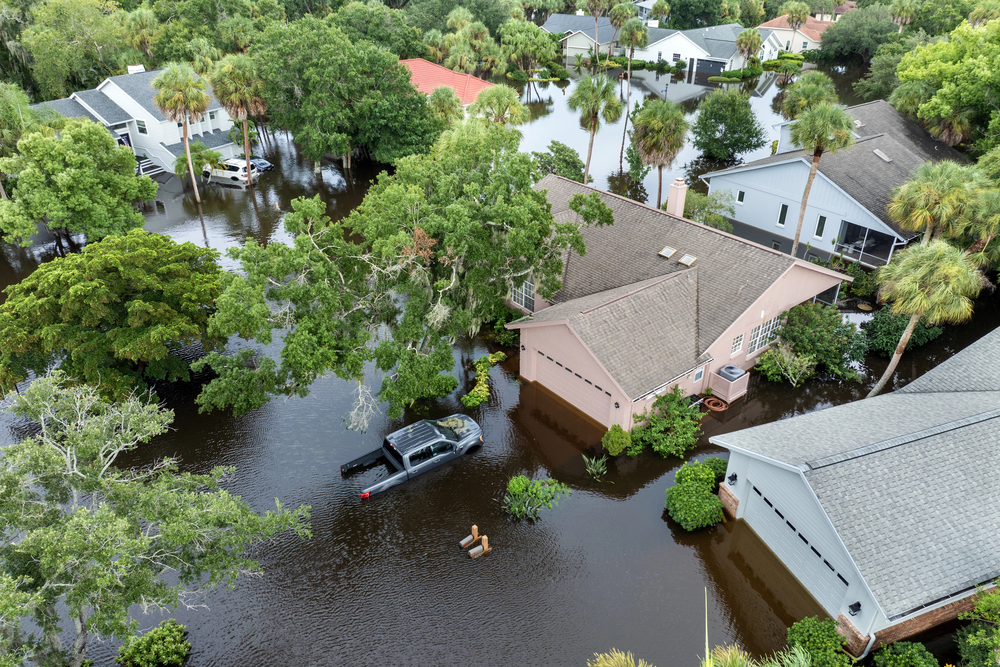
The shifting environmental landscape creates both challenges and opportunities for agents, who must stay informed about specialized coverage while helping clients close potentially costly gaps.

As environmental regulations change, environmental liabilities remain a long-term concern for businesses, making education and proactive risk conversations even more important.

Consumers can protect their homes and positively impact premium levels by being proactive with resilience measures to reduce claim severity.