Flood Risk Moves Inland: How Agents Can Expand the Flood Coverage Conversation
By Diane Delaney
As hurricane season begins, many insurance advisors are spending more time having flood conversations with homeowners, and more of those discussions are happening far beyond traditional coastal markets.
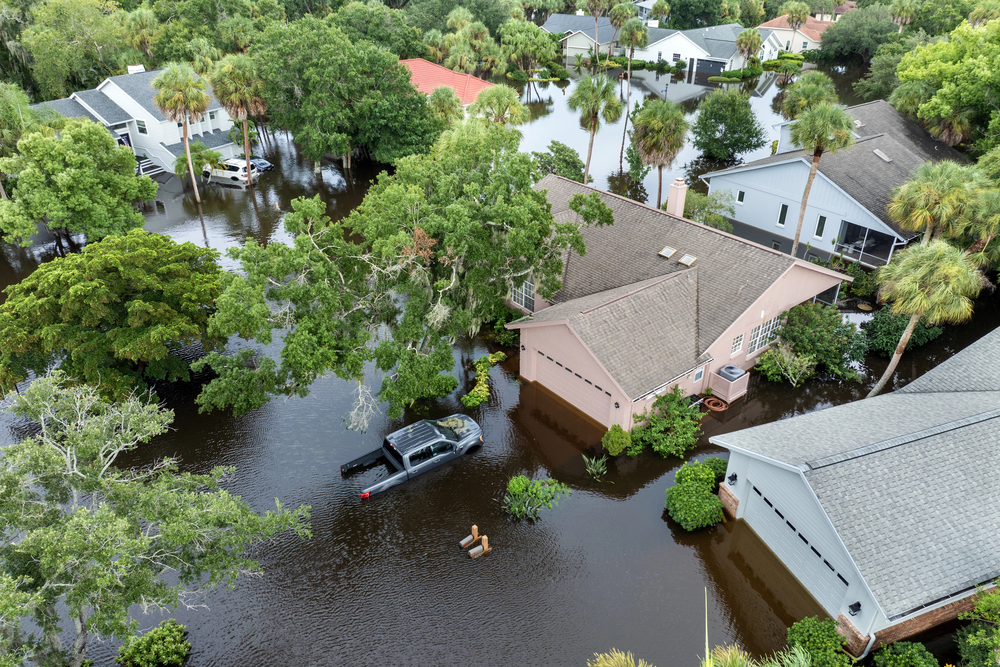
Flood exposure is often associated with beachfront homes, storm surges or properties located directly near rivers and waterways. But recent weather events are proving that floods can happen anytime, anywhere, and it’s changing how advisors and homeowners think about flood risk.
Storms like Hurricane Helene pushed severe flooding farther inland, damaging communities across Appalachia in areas that were historically not considered flood zones. In many cases, homeowners discovered too late that flood damage was excluded from their policies.

Big “I” Fall Leadership Conference
Sept. 30 – Oct. 3
This growing disconnect between perceived risk and actual exposure is becoming one of the biggest challenges agents face as they move into hurricane season.
Homeowners Misunderstand Their Exposure and Coverage
While many homeowners recognize that flooding is happening more often, they still underestimate how vulnerable their own property may be, particularly outside traditional FEMA flood zones.
The vast majority—84%—of homeowners believe flooding is more common today than it was five years ago, according to the “2026 Flood Risk and Resilience Survey” by Chubb. Yet, among homeowners who had not purchased flood insurance, 62% still believed their property was at “low risk” for flooding.
At the same time, many homeowners continue to rely heavily on outdated assumptions around flood maps, proximity to water and what their homeowners policy actually covers. One of the biggest misconceptions is the belief that flood damage is included under a standard homeowners policy.
Private Risk Management Association’s (PRMA) “2025 Private Client Insurance Insights Survey” revealed a striking disconnect in homeowner confidence: While 95% of affluent homeowners reported feeling confident in their insurance coverage overall, 65% simultaneously expressed concern about policy exclusions.
For many agents, flood coverage has become one of the clearest examples of that confusion gap. Nearly 85% of single-family homes at risk of flooding in the U.S. carry insufficient coverage, according to Neptune Flood, leaving households vulnerable to thousands of dollars in out-of-pocket costs.
Agents Are Expanding the Risk Conversation
As extreme rainfall events continue to affect inland communities, agents are increasingly urging homeowners to reassess their assumptions about flood risk and whether their current coverage actually reflects their exposure. Many agents are now encouraging homeowners to look beyond whether they technically fall within or outside a designated flood zone and pay closer attention to their vulnerability and actual exposure.
More on Flood


Some of the conversations now include questions like:
- Could excessive rainfall overwhelm nearby drainage systems?
- Has development changed runoff patterns in the area?
- Could a finished basement or lower level in your home sustain significant water damage?
- How disruptive would displacement be if your home temporarily becomes unlivable?
These conversations are particularly important in the high net-worth market, where flood losses can extend far beyond structural damage to include irreplaceable items, premium furnishings and valuables, long rebuilding timelines, temporary housing challenges and lifestyle disruption.
As weather events become more severe and unpredictable, advisors are learning that homeowners want guidance that extends beyond the policy. In the PRMA survey, 58% of affluent homeowners expressed concern about flooding, but only 20% reported installing flood barriers or elevating their homes.
This growing mitigation gap is creating broader advisory opportunities for agents to discuss preventative measures such as drainage improvements, flood barriers, backup power systems and water mitigation technology.
For many agencies, these conversations are also becoming more proactive and operational as hurricane season begins. More of these discussions now include reviewing flood deductibles, documenting high-value contents, revisiting temporary living expense coverage and evaluating whether recent renovations or property changes may have altered their flood exposure.
In some cases, even simple discussions around drainage maintenance, sump pumps or backup power systems are helping clients think differently about preparedness before a storm ever develops.
Diane Delaney is CEO and executive director of Private Risk Management Association.
Agency Management Solutions
Insurance Markets
Big I Programs
This month’s issue
The September issue is out now!