Spring Has Sprung: How Agents Can Help Clients With Flood Coverage

The Northeast’s 2026 winter made its presence known. Temperatures dipped two degrees below 30-year norms, making it the coldest winter since 2018. Snowfall across New England ran 20%-50% above average, arriving in heavier, more intense bursts.
After a season like that, many homeowners are hoping spring brings some relief, but as temperatures rise, new risks are emerging.
With warmer weather, especially after a bad winter, comes more sunshine, rain and snowmelt, as well as an increase in floods, leading to costly consequences. In 2025, flood damage repair costs jumped over $10 billion to homes and businesses, according to the Insurance Information Institute (Triple I). Most of that damage did not occur in areas where Fannie Mae and Freddie Mac require purchase coverage to qualify for a mortgage.

What Are Your Goals for 2027?
Many homeowners who didn’t have to buy flood insurance are surprised to learn that their standard homeowners insurance policy doesn’t cover flood damage. However, separate coverage through either the National Flood Insurance Program (NFIP) or a private flood insurer is essential, particularly in areas where flood insurance is not “required.”
Why Spring Brings More Flooding
Spring is a season of sudden storms. April showers and melting snow runoff are common sources of water intrusion. This excess water flows into low-lying streams, drainage systems become overwhelmed, and saturated soil may not be able to absorb the thaw.
In particular, freeze–thaw cycles contribute to the problem. Melting snow and ice can seep down into foundations and basements, exposing vulnerabilities in a home’s structure. Sometimes the water turns into ice, taking up more volume in its solid form and damaging seams in roofing, wall coverings and even pipeways. Water expands by about 9% when it freezes, according to NIH’s Office of Research Facilities, which puts pressure on concrete and masonry and contributes to cracking over time.
Common Flood Misunderstandings
Surveys indicate that most homeowners are unaware that their homeowners policy will deny a claim for flood damage caused by rising water. Surveys also show that most of those who know they aren’t covered for floods think they are only at risk if they live in a designated flood zone. Many of these non-zone events are not supported by a FEMA disaster declaration, making federal government support unavailable, leaving homeowners essentially “bare.”
Clients need to know that major weather events aren’t limited to designated flood zones. Even routine seasonal changes can create meaningful exposure in non-flood zones, making proactive education and coverage reviews key in the spring months.
Further, some homeowners are in zones that require flood insurance to obtain a federally backed mortgage, but do not buy it because they do not have a mortgage. Worse, over 40% of flood insurance claims come from properties outside high-risk flood areas, according to FEMA.
Agents can give homeowners the full range of flood insurance options available to them, including both NFIP coverage and policies offered through private flood carriers, and help them create a personal savings account for such disasters if they don’t have coverage.
More on Flood
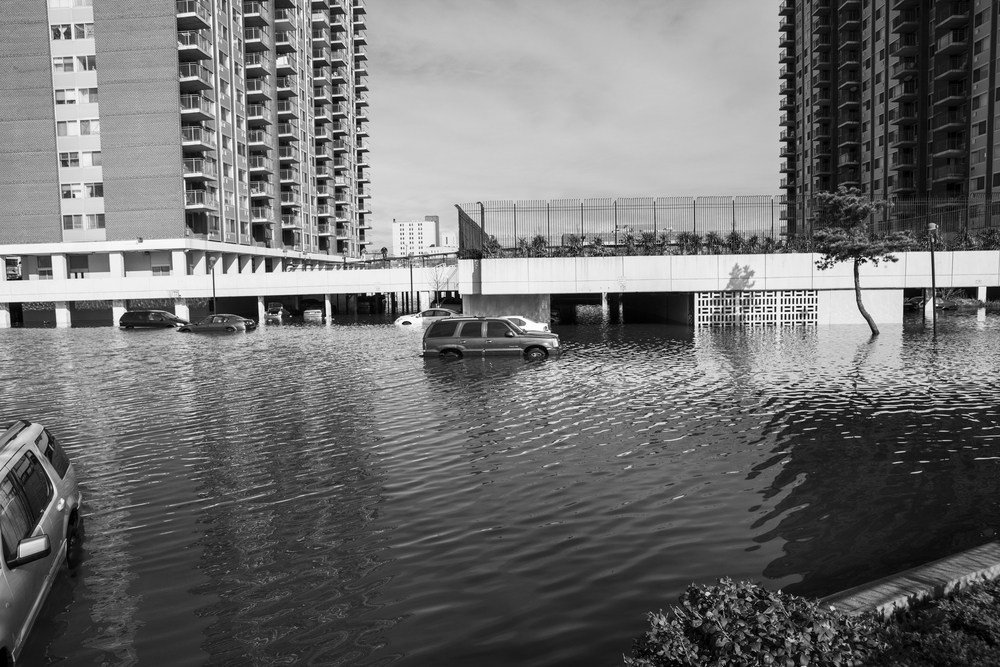

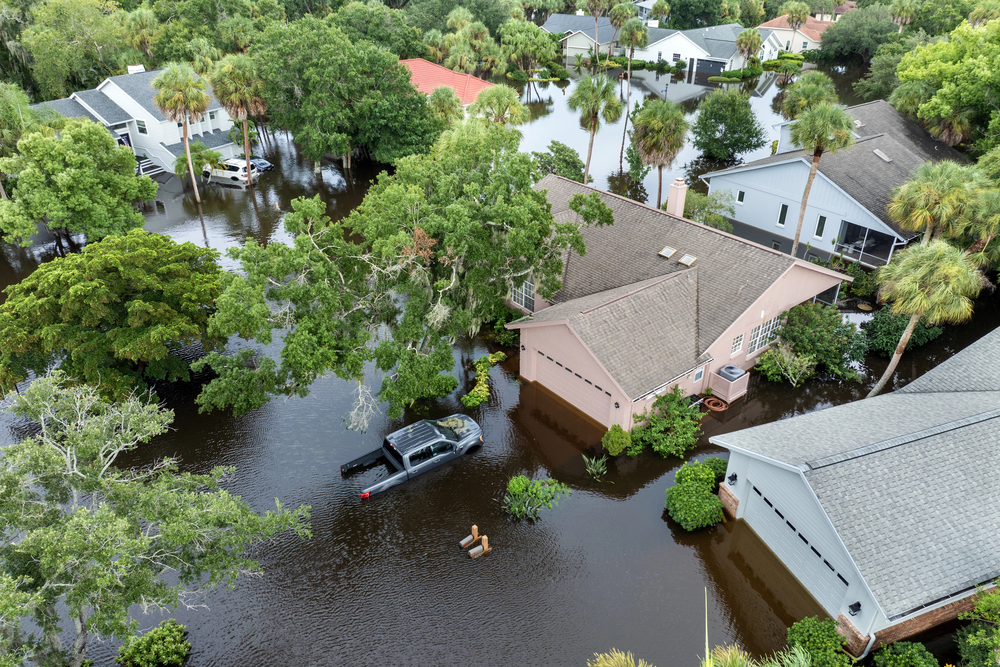
Cost is another common misconception. Flood insurance is often more affordable than homeowners expect, particularly outside high-risk zones, making it an accessible way to protect against a potentially devastating loss.
Clients need to be aware that NFIP policies may not provide full protection. Coverage limits and exclusions can leave gaps depending on a homeowner’s needs, making additional or excess protection necessary.
Standard homeowners policies often do cover certain types of water damage, such as pipe bursts, but many limit coverage to exclude flooding caused by external water intrusion, unless a separate flood policy is in place. Education is especially important given that two-thirds of modeled U.S. residential flood losses go uninsured, according to Moody’s RMS.
By addressing the issue early, agents can help clients make more informed decisions and avoid costly surprises when a flooding event occurs.
The best time to prepare for flood insurance is before flood risks arise. Independent agents can educate their clients about the coverage available for water-related losses by describing typical events where a traditional homeowners insurance policy responds, while also describing exclusions.
Homeowners with modest exposure can access protection through the NFIP and a growing number of private flood insurers can offer more robust coverage. Agents can guide customers through their options, identify the best fit for their needs, and better understand the coverage process.
Proactive conversations not only remind clients that they may not be covered for a flood event but also encourage preventive maintenance, detail coverage options such as water backup or flood insurance, and clarify what is and isn’t provided by standard home insurance policies.
Bill Martin is president and CEO at Plymouth Rock Home Assurance.
Agency Management Solutions
Insurance Markets
Big I Programs
This month’s issue

The October issue is out now!