Bipartisan Disaster Risk Bill Passes the House
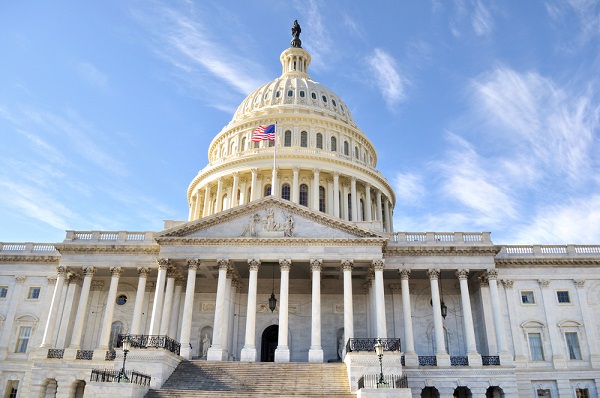
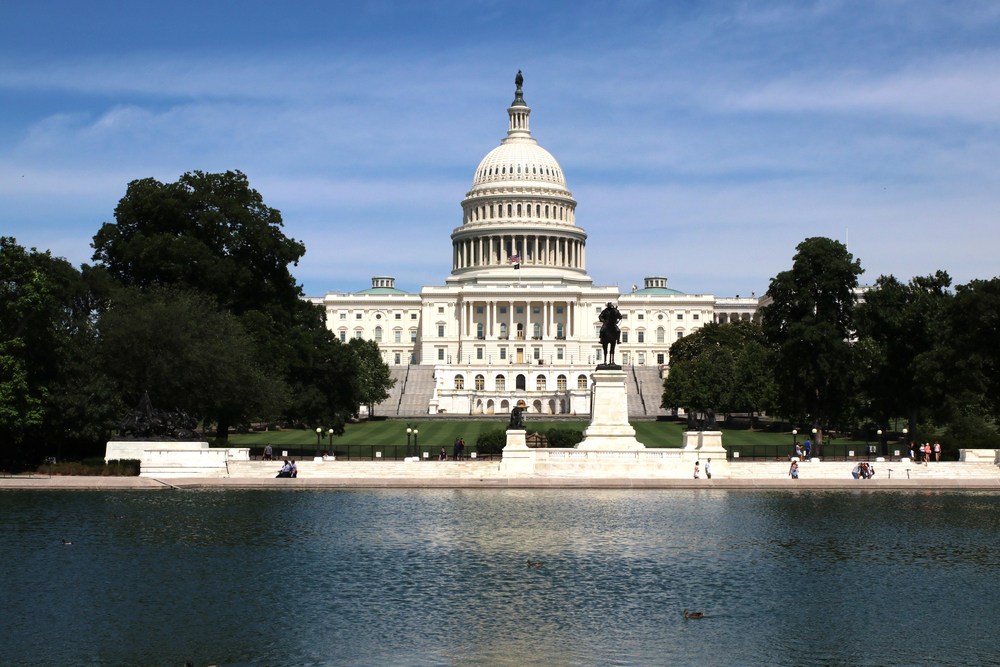
On Monday, the “Doug LaMalfa Federal Disaster Tax Relief Certainty Act” was passed in the U.S. House of Representatives. Original cosponsors of this bipartisan legislation are Reps. Greg Steube (R-Florida), Mike Thompson (D-California), Jimmy Panetta (D-California), and the late Doug LaMalfa (R-California), who passed away unexpectedly earlier this year.
This bill would amend the Internal Revenue Code to ensure that individuals recovering from natural disasters are not unfairly taxed on the financial help they receive to rebuild their lives.
Specifically, the bill excludes certain disaster relief payments—including qualified wildfire relief payments—from federal income tax, meaning individuals can use that aid for disaster recovery rather than losing a portion to taxes.
The bill also extends and expands tax benefits that allow individuals to deduct disaster-related personal losses more easily, including letting more taxpayers claim those losses even if they do not itemize deductions.

Big “I” Fall Leadership Conference
Sept. 30 – Oct. 3
The legislation provides clarity and certainty to communities affected by natural disasters by treating disaster aid as recovery support—not income—and by extending these protections through at least 2027 so survivors are not hit with unexpected tax burdens during long rebuilding periods.
Meanwhile, a companion bill in the U.S. Senate, sponsored by Sen. Rick Scott (R-Florida) and Adam Schiff (D-California), has been referred to the Senate Committee on Finance where it awaits consideration.
The Big “I” applauds these members of Congress for their leadership to advance this bipartisan legislation and will continue to monitor disaster mitigation legislation in Congress.
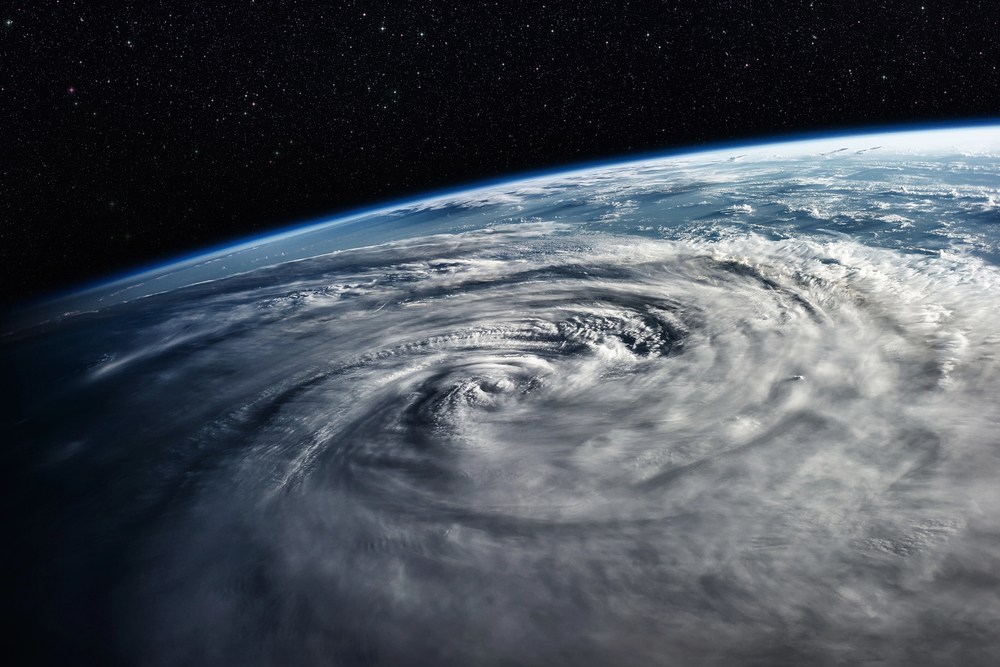
These provisions are especially important as communities across the country confront increasingly frequent and severe natural disasters.
Natural disasters have caused billions of dollars in damage, placing a significant financial strain on homeowners, businesses, and insurers. Over the past five years, the U.S. has averaged nearly $150 billion a year in damages from weather and climate disasters, according to the National Oceanic and Atmospheric Administration (NOAA), more than double the annual average in the 2000s.
As recovery costs continue to rise, federal lawmakers recognize the urgent need to address the growing insurance market crisis. One effective approach is to encourage disaster mitigation efforts, which help strengthen communities and reduce future losses.
Corey Miller is Big “I” director of federal government affairs.
News Types
Agency Management Solutions
Big I Programs
This month’s issue

The September issue is out now!