Senate Passes Terrorism Insurance Reauthorization
The U.S. Senate bill now heads back to the U.S. House of Representatives, where it will need to be reconciled with the similar House bill that makes structural changes to the program.
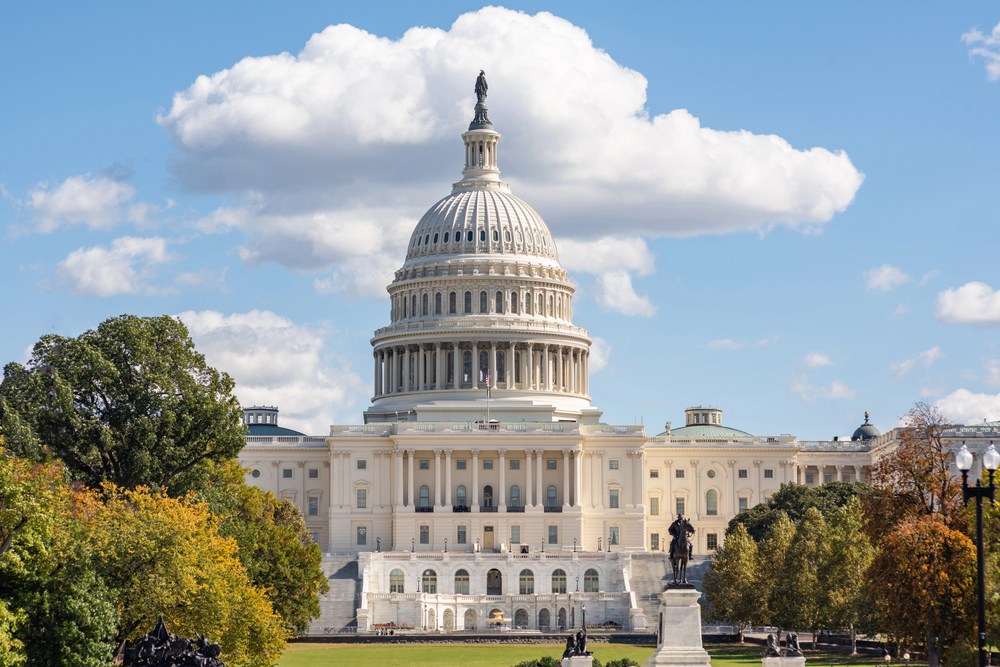

The U.S. Senate bill now heads back to the U.S. House of Representatives, where it will need to be reconciled with the similar House bill that makes structural changes to the program.
A bill introduced in the U.S. House of Representatives would make staging motor vehicle accidents for insurance payments a federal crime.
The Big “I” supports a long-term reauthorization of the NFIP and recognizes the importance of a modernized program to increase take-up rates in both the NFIP and the private market.
Kenneth Harper’s passion for servant leadership is what drew him to the insurance industry—and to the political arena. It’s also what prompted him to attend the inaugural Insurance Campaign Institute.

After years of rising insurance costs driven in part by legal system abuse, litigation financing and nuclear verdicts, tort reform is beginning to translate into lower premiums, rate reductions and direct savings for consumers.

The bill would help deter insurance fraud, reduce unnecessary litigation costs and ease the pressure of rising insurance premiums.
The bill would reauthorize the program for an additional seven years, raise the minimum loss threshold and require the Treasury Secretary to publish a notice in the Federal Register within 30 days of initiating the terrorism determination process.
Miles Lee, the winner of the 2025 Young Agent Of The Year Award, reflects on making an impact.
North Carolina has taken a groundbreaking step in the fight against legal system abuse by becoming the first state in the nation to prohibit third-party litigation financing.

The bills signed into law last week address some of the core factors that have driven exorbitant auto insurance premiums in New York.