Turning Risk Data into Guidance for Homeowners
By Ed Cologgi
Homeowners insurance premiums have been moving in one direction: up. From 2018 to 2024, average premiums rose faster than inflation in every major region, increasing 18% in the Northeast, 25% in the Midwest, 27% in the Southeast and 43% in the West, according to the National Association of Insurance Commissioners (NAIC). While rates show signs of decelerating, the average approved homeowners rate increase in 2025 was 8.3%, down from 13.5% in 2024.
For buyers, insurance can be the expense that pushes a home beyond their budgets, while existing homeowners face higher premiums and fewer coverage options. These market conditions can be equally frustrating for independent insurance agents as they are often the ones explaining premium increases and limited options to clients, even when those factors are largely beyond their control.
But what happens when agents flip the script? Instead of focusing only on finding coverage in a difficult market, they can play a larger role in helping clients understand and manage the risks that contribute to insurance costs. That means becoming involved earlier in the homebuying process and staying involved throughout the life of the home.

What Are Your Goals for 2027?
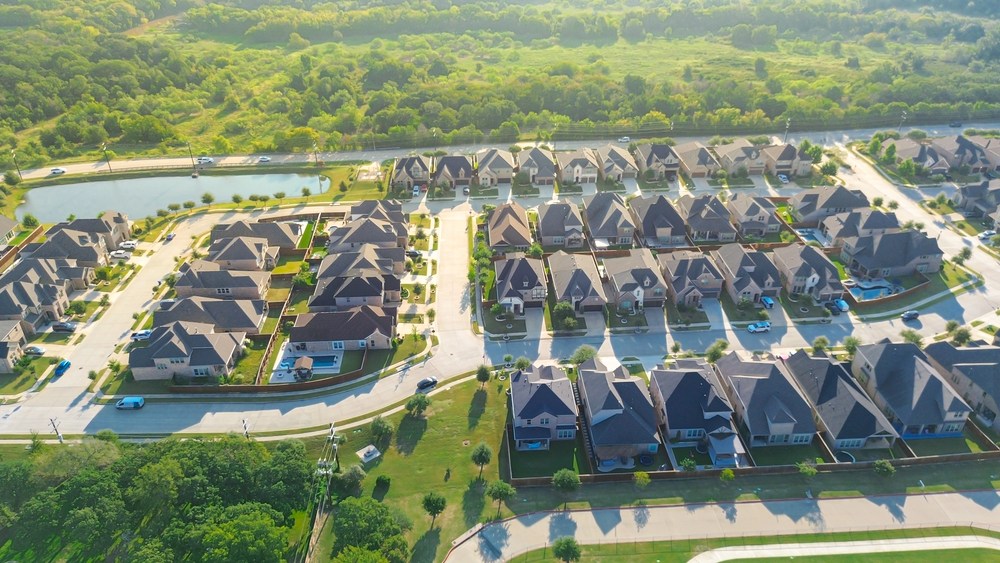
Emerging technologies are vital tools giving agents more information to provide that guidance. Satellite and aerial imagery, drones, virtual inspection platforms and smart-home devices— coupled with artificial intelligence (AI) to analyze the data—can provide new insights into individual properties and their risks. Agents can use those insights to help buyers identify properties that may be less costly to insure. They can also help homeowners address vulnerabilities before they become claims, reducing losses and helping keep insurance costs down.
Part of the Homebuying Team
When agents get involved early in the home-buying process, they can help buyers understand a property’s true cost and risk before they make one of the largest financial decisions of their lives. Agents are local experts and can help buyers consider the insurance implications of various properties.
One home may be in a flood zone, requiring the customer to purchase flood coverage in addition to a homeowners policy, while another just a few miles away may have significantly less exposure. Or, a house could be located in an area with greater wildfire or severe weather risk, farther from a fire station or hydrant, or have a claims history that points to recurring problems.
Agents can also review a client’s home inspection report before closing and analyze it through an insurance lens. An aging roof, outdated electrical or plumbing systems, evidence of previous water damage, foundation issues or other conditions can impact insurance availability or cost.
Combined with property data, aerial imagery and AI-powered analysis, that information can give agents insight to help a buyer ask better questions, anticipate potential insurance costs and, in some cases, reconsider whether a particular property is the right investment.
Turning Property Data into a Risk Checkup
The insurance conversation is still often concentrated around purchase and renewal. Technology gives agents an opportunity to change that cadence.
A home’s risk profile is not static. Trees grow, roofs and other building systems age, weather patterns change and renovations can alter a property over time. Emerging technologies give agents an opportunity to make risk management an ongoing conversation rather than something that happens only when a client buys a home, renews a policy or files a claim.
As property intelligence becomes more sophisticated, AI can help analyze property data, imagery and other information to flag emerging vulnerabilities and help agents prioritize which issues deserve attention.
More on Homeowners



For example, updated aerial imagery might show trees have grown close enough to the home to increase the potential for storm damage. Connected water monitoring devices are another instance, detecting leaks, abnormal water usage, freezing temperatures and other warning signs before they become serious problems.
Identifying and addressing these issues early can reduce the likelihood of a claim, and fewer claims can help homeowners protect their loss history and keep insurance costs down. Over time, that kind of proactive outreach can transform an annual insurance transaction into an ongoing risk-management relationship.
Agents can also help homeowners prioritize where to invest. A property may have several potential vulnerabilities, but not every improvement carries the same urgency or potential benefit. For example, a homeowner may have an aging roof, trees close to the house and older plumbing, but a limited budget for improvements. AI-powered property intelligence can help analyze the home and its specific exposures to identify which issues pose the greatest risk, giving the agent better information to help the client decide where to invest first.
Those investments may also provide a more immediate financial benefit. Depending on the carrier and location, measures such as fortified roofs, storm protection, wildfire hardening, water shutoff systems and other smart-home technology may qualify homeowners for discounts or improve a property’s insurability. Agents can help clients understand which improvements their carriers recognize and whether the potential premium savings, combined with the loss-prevention benefits, make the investment worthwhile.
As homeowners insurance becomes more expensive and complex, independent agents have an opportunity to deliver value that goes well beyond finding the right policy. AI isn’t replacing agents; it’s enabling them to apply their expertise more effectively by providing deeper visibility into risk and more time for meaningful client conversations.
Ed Cologgi is vice president, agent and broker services, Americas, at Xceedance, which specializes in property & casualty insurance operations transformation.
Agency Management Solutions
Insurance Markets
This month’s issue

The October issue is out now!