Roof Claims Decline but Losses Become Increasingly Severe
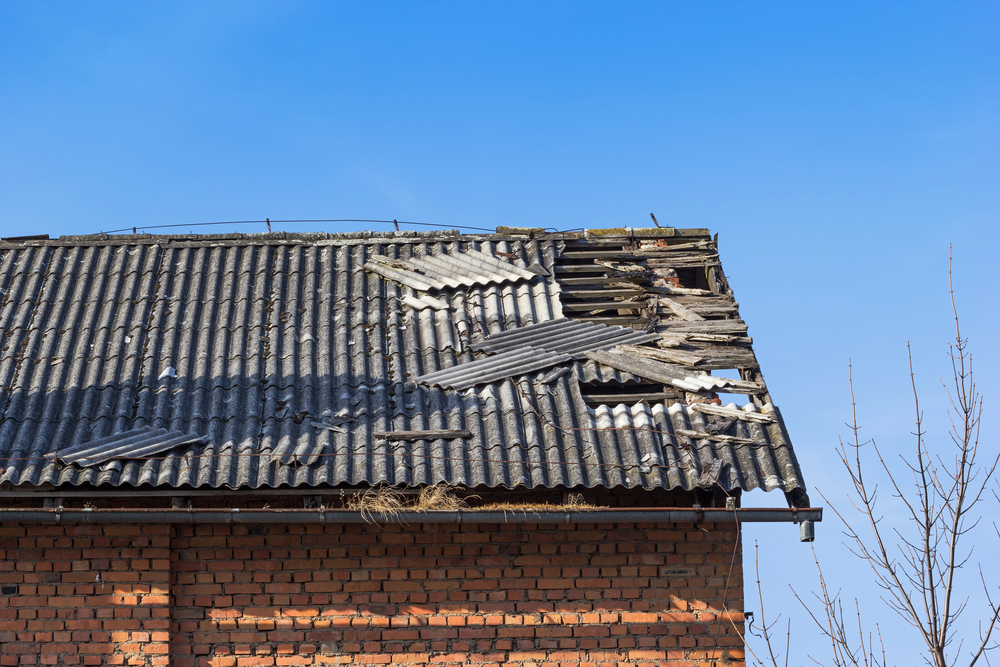
Residential roof repair and replacement cost value (RCV) declined to $23 billion in 2025, compared to an average of $24.4 billion from 2021 to 2024, according to the U.S. Roof Report 2025: Roofing trends in America by Verisk. The decline was driven by a better-than-expected hurricane season, with hurricane-related claims down roughly 87% from the four-year average.
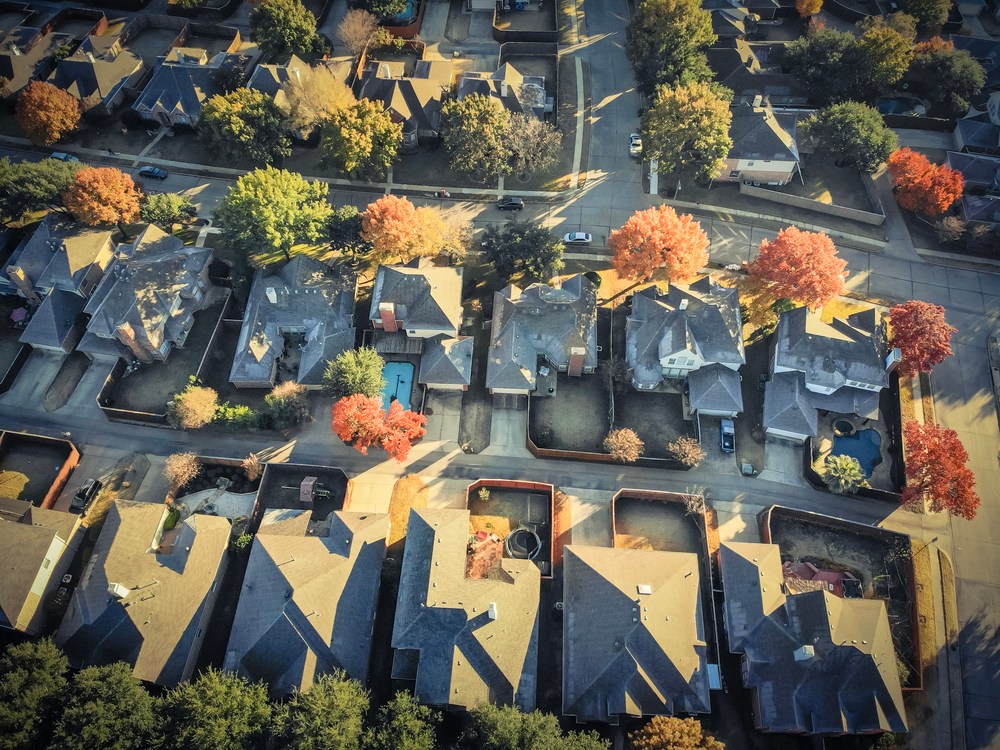
Yet, while overall claim volume declined in 2025, the report finds that roof losses continue to grow more severe and less predictable, driven by aging housing stock, widespread hail exposure and rising replacement costs.
As climate patterns shift and houses age, the cost of maintaining and replacing roofs continues to impact residential property insurance losses, adding pressure to both insurers and homeowners.
Average residential roof replacement costs reached $17,631 in 2025, with repair costs averaging $4,697, the report said, reflecting increases of 33% and 25%, respectively, over the four-year average between 2021 and 2024.

Agent Toolkit: Combat Legal System Abuse
However, 79% of residential properties in high-hail states have roofs 14 years old or newer, 21% higher than in non-hail states, highlighting faster replacement cycles alongside significant local volatility, the report said.
Further, aging roof trends differ by region, with the Midwest and Northeast reporting the highest share of residential roofs over 31 years old, at 17% and 18%, respectively, compared to only 4% in the South.
Wind and hail continue to be the primary drivers of roofing losses, with exposure widespread but uneven, the report said. Hail data from Verisk reveals that 2025 was a big year for hail in the Central Plains states, while previous years have been more impactful to the Northern Plains (2022) and the Southern Plains (2023).
Beyond claim frequency and weather exposure, material inflation and labor costs continue to add another layer of pressure for both insurers and homeowners, according to the report.
While material inflation continues to outpace labor costs, national averages mask substantial state-level variation, the report said. For example, Nevada experienced the highest increase in material inflation at 10.37%, while New Hampshire saw a decrease of 15.8%.
To help improve affordability, more states are introducing grant programs, premium discounts, and mitigation standards—such as the IBHS FORTIFIED program—that focus on sealed roof decks, stronger edge securement, uplift-rated materials and continuous load path construction. As of 2025, approximately 85,000 structures across 32 states have been built or upgraded to FORTIFIED, the report said. Adoption continues to expand.
Insurers are responding to a shifting market by encouraging the use of actual cash value (ACV) settlements for roofs beyond certain ages, shifting to percentage-based wind deductibles, and tightening eligibility requirements based on roof condition.
Olivia Overman is IA content editor.
News Types
Agency Management Solutions
Insurance Markets
This month’s issue

The October issue is out now!