How Resiliency Measures Are Impacting the Homeowners Market
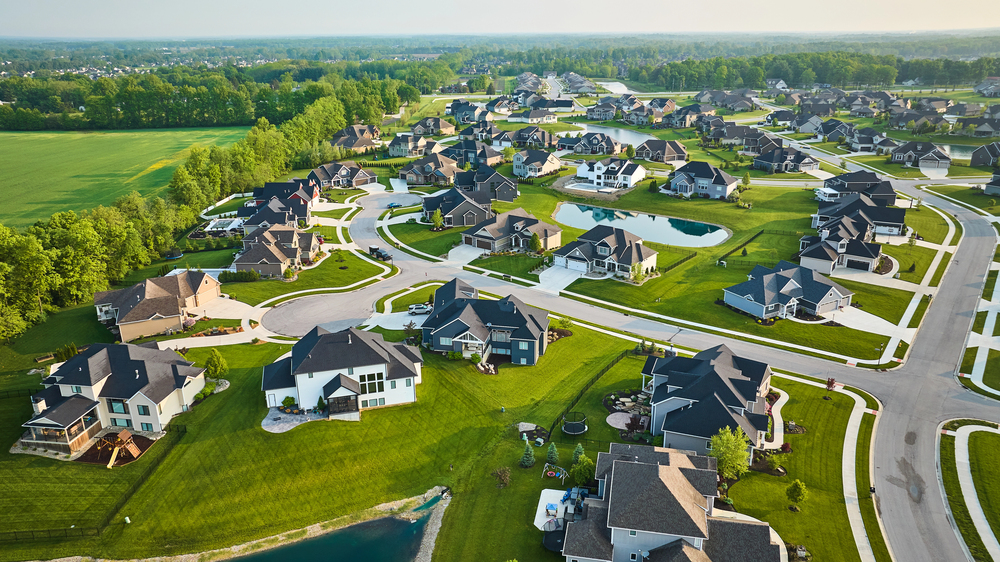
As catastrophe risk grows, regulators and insurers are increasingly turning to mandated resilience measures to strengthen homes and reduce claim severity.
“These are the must-do requirements that typically emerge in high-risk geographies where exposure to extreme weather is significant and where voluntary mitigation hasn’t been meaningful enough to reduce losses,” says Helen Simonett, vice president, property line leader at Nationwide. “The most active discussions are in the wildfire-exposed areas, such as California, and also in some of the hurricane-prone states, like Florida.”
While the benefits of resilient residential structures are becoming evident, the cost to homeowners can be high, particularly for retrofits.

Shape the Big “I” Agents Council for Technology 2027 Tech Trends report
“The state of Florida has been out in front of mandates,” says Chris Bacon, chief operating officer, Openly. “All of their building codes have been redesigned, and the vast majority of new construction is being built up to really high levels of protection against hurricanes—a lot of it focuses on the roof, windows, and window treatments.”
Other states, such as Louisiana, Mississippi and Alabama have also begun to “dip their toes into doing similar things where they’re providing required building code improvements and then also providing some refund availability to help entice customers,” Bacon says.
“Because there’s a very strong capacity constraint in these states, there are no mandates, but they do have mandatory discounts that go through once the consumers have made the upgrades to their homes,” he says.
A notable non-mandate is Alabama’s Strengthen Homes program. “It’s probably one of the best examples of a non-mandate which provides grants to help homeowners retrofit their homes to meet the IBHS fortified standards,” Simonett says. “It’s going to require stronger roofs, decking, improved nailing patterns, sealed roof decks, all things that have been scientifically proven to reduce wind and storm damage—that’s a really encouraging non-mandate.”
Upgrading an existing home can be expensive, depending on the hazard type and the costs to achieve the Insurance Institute for Business & Home Safety (IBHS) fortified standards. “Holistically, these measures reflect both the growing severity of some weather events and the collective understanding of how important mitigation is to reduce claims,” Simonett says.
In addition to external resilience measures, consumers can protect their homes and positively impact premium levels by being proactive with internal measures, such as water leak detection tools.
Water damage and freezing account for roughly 28% of all homeowners insurance claims and cost nearly $14,000 per claim on average in the U.S., according to the Insurance Information Institute. As a result, insurers and technology providers are increasingly working to make mitigation tools and access to repairs easier.
“For example, there are companies that are focused on how to make sure carriers can provide consumers with a network of plumbers to install mitigation devices,” Bacon says. “This takes the thought process away from the consumer who does not have to figure out where to find the devices and who they can call to install them.”
More on Homeowners

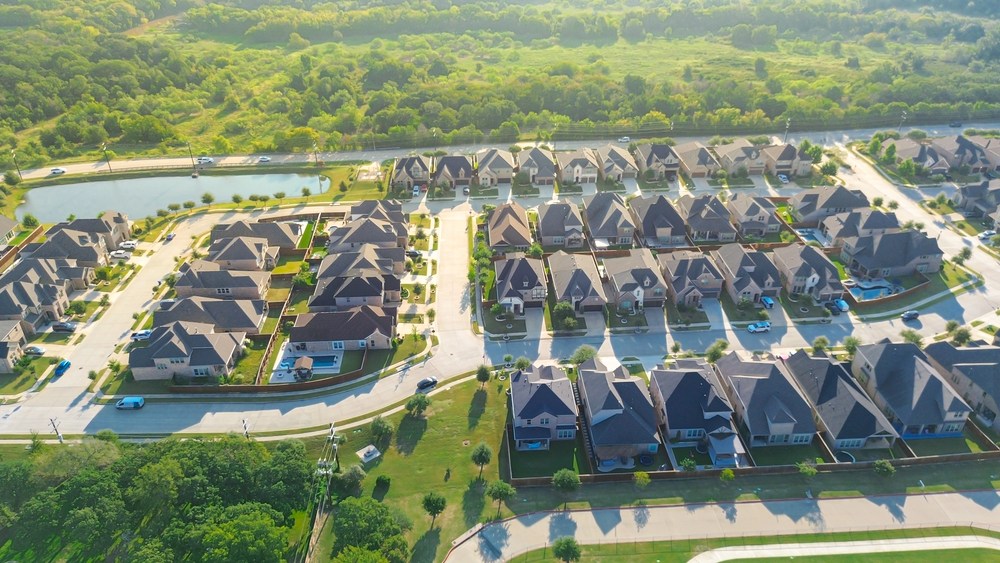

“You’re seeing that innovation is coming into the market,” Bacon continues. “There are very technical elements that homeowners are being asked to install in their homes, and we need to be able to provide the network to help with that.”
Smart home technologies can include leak-detection devices and electrical-monitoring devices, which can provide simple, high-impact prevention.
“We know this message is resonating with agents, but opportunities remain with customer adoption,” Simonett says. “The recent Nationwide ‘Homeowners Survey 2025’ shows that while 85% of agents are recommending smart home technology to help reduce risks, 73% of homeowners don’t have water leak detectors and 70% of homeowners lack electrical fire monitoring.”
For consumers, part of being proactive in protecting their home is understanding the potential vulnerabilities and what they can do to mitigate and manage such risks. These risks will vary by geographic region and the age of the home, making the knowledge from a local independent agent more valuable.
“Leaning on agents as strategic advisors can help navigate the discounts that might be available to clients, prioritize potentially cost-effective upgrades, and make sure that all the enhancements made to improve protection are brought to the carrier’s attention,” Simonett adds.
Olivia Overman is IA content editor.
Agency Management Solutions
Insurance Markets
This month’s issue

The September issue is out now!