How Agents Can Support Homeowners as the Market Stabilizes

Over the past few years, rising premiums and tightening coverage options in the U.S. homeowners insurance market have added significant financial pressure on consumers. Almost half (47%) of homeowners insurance customers in the U.S. experienced a premium increase in 2025, the highest rate of insurer-initiated rate raises in more than a decade, according to the JD Power “2025 U.S. Home Insurance Study.”
Yet, as millions of U.S. homeowners continue to grapple with the challenge of affording coverage, there are some signs that the market may be beginning to stabilize, according to the “2025 Homeowners Insurance Issues Brief” from the Insurance Information Institute (Triple-I).

Shape the Big “I” Agents Council for Technology 2027 Tech Trends report
While “weather volatility and availability and affordability challenges were key over the past several years, both have taken some encouraging turns in the last 12 months,” says Helen Simonett, vice president, property line leader at Nationwide. “Many carriers reported significant underwriting losses in the first half of 2025, but the second half told a very different story.”
The indicators are now leaning more toward a “market that has definitely moderated,” says Chris Bacon, chief operating officer at Openly. “The last couple of years were pretty difficult, primarily because we had a lot of weather events and a lot of reinsurance tightening, which a lot of carriers reacted to with reduced availability and eligibility.”
While there may be a beacon of light in the homeowners market, several trends, in addition to weather volatility, have impacted and will continue to adversely impact premium rates.
“The No. 1 thing that’s driving premium is replacement costs, which have continued to increase post the COVID-19 pandemic,” Bacon says. “You are seeing carriers having to increase their prices to match the increases in labor costs due to the reduction in labor availability, but you’re just also looking at the cost of repair materials.”
Additionally, “there is a lot of uncertainty around tariffs and their potential impact to drive up construction costs,” Simonett says. “To date, we haven’t seen meaningful cost increases directly tied to tariffs, but it remains a risk and a watch item.”
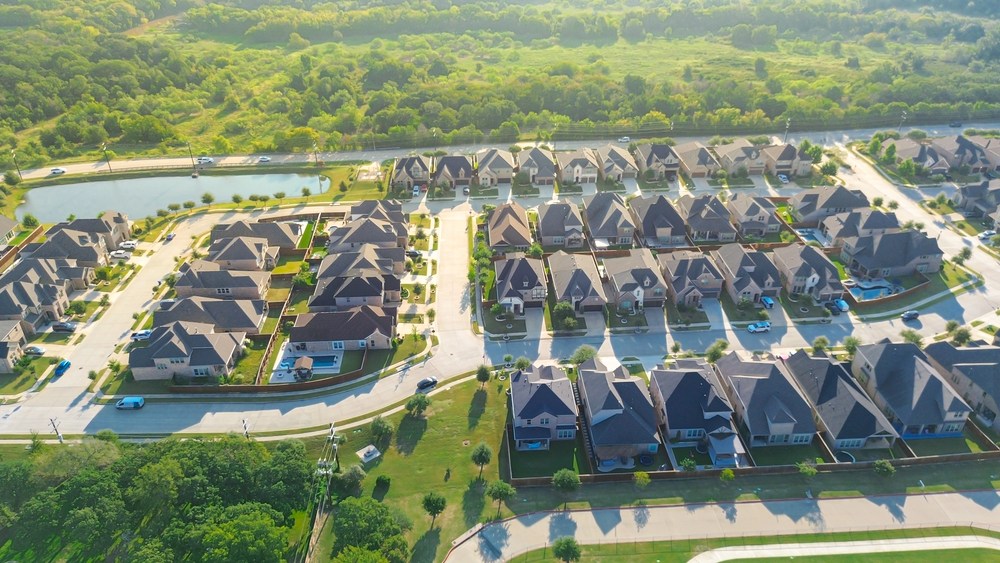
Further, “people are building homes now that are bigger than they have been in the past, and they are in riskier locations,” Bacon says. “Today, you’re seeing entire neighborhoods being built in riskier areas, which can drive premiums up.”
Another trend adversely impacting premiums is the tightening of reinsurance available to carriers. “The biggest challenge that carriers face is that reinsurers struggle with hail and tornado perils,” Bacon says. “While for coastal risks, most reinsurers can say ‘we trust our models.'”
“When it comes to hail and tornadoes, there’s nothing that predicts when and where they will pop up,” he says. “That’s where you start to get into challenges with the lack of geographic diversification.”
However, “we’re seeing some signs of normalization in that market, and a more stable reinsurance market gives primary carriers more predictability and pricing, and ultimately more capacity to write business,” Simonett says.
As the market rebalances, independent agents can be a valuable resource for their clients by employing some key strategies to help homeowners get the coverage they need without overpaying.
By conducting regular coverage checkups, “agents can play an essential role in helping their customers reassess their coverage and limits to ensure they’re properly protected,” Simonett says. “Life events like renovations and adding new cool gadgets can all impact coverage needs, so that an annual review, especially after a major project or a new purchase, can help ensure clients aren’t underinsured or paying for coverage they don’t need.”
Identifying what’s changed in their clients’ lives, such as purchasing a second home or changes in their finances, paints a clearer picture of whether changes are needed from a coverage perspective.
“Building that into a regular cadence with consumers helps mitigate the risk of not aligning coverage with changes that have taken place,” Bacon says. “It also helps customers keep their coverages top of mind more frequently.”
More on Homeowners


Deductibles are another tool that “an agent and customer have, which is especially important in an environment where affordability is a growing concern,” Simonett says.
“Helping customers understand how deductibles can be used to manage premiums without sacrificing coverage is important,” she adds. “Raising a deductible is one tool to lower the cost, but it’s got to be done thoughtfully, with agents helping customers understand the tradeoff with absorbing a higher out-of-pocket should a loss occur relative to the savings that they might get in the short term.”
For clients facing fewer options, such as those in wildfire- or hurricane-prone areas, the agent can help the consumer understand their options between admitted and nonadmitted markets, Bacon explains.
“This is where the agent is going to be that advocate and really help champion and make sure that the customer understands the pluses and minuses in that market,” he adds.
The 2025 net combined ratio forecast for the homeowners market is 107.2, an improvement of 7.5 points from 2024, ranking third highest since 2011, according to Triple-I.
While rates remain high, they are growing more slowly overall. Over time, this improvement in results can help support more stable pricing for consumers and bring welcome relief.
Olivia Overman is IA content editor.
Agency Management Solutions
Insurance Markets
This month’s issue

The September issue is out now!