AI Liability Is Already in Your Clients’ Operations
The liability exposure brought by artificial intelligence (AI)-enabled tools often isn’t recognized until a claim emerges. Here’s how to uncover the AI risks that traditional reviews often miss.


The liability exposure brought by artificial intelligence (AI)-enabled tools often isn’t recognized until a claim emerges. Here’s how to uncover the AI risks that traditional reviews often miss.
Electric vehicles (EVs) are one way commercial auto operators can reduce operational costs. But EV adoption also introduces new exposures, including cyber vulnerabilities, battery fire hazards and higher repair costs.
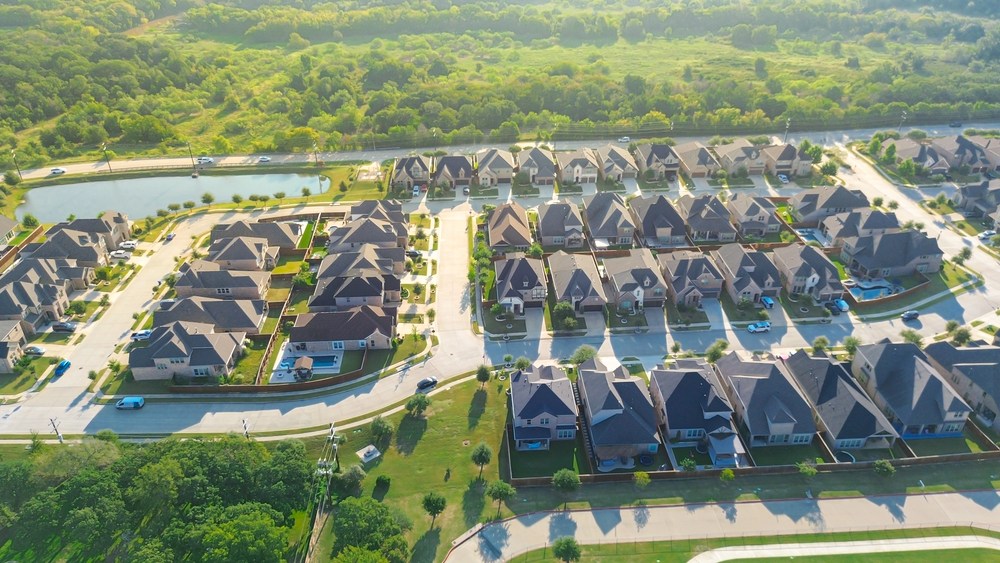
As homeowners insurance becomes more expensive and complex, agents can play a larger role in helping clients understand and manage risks.
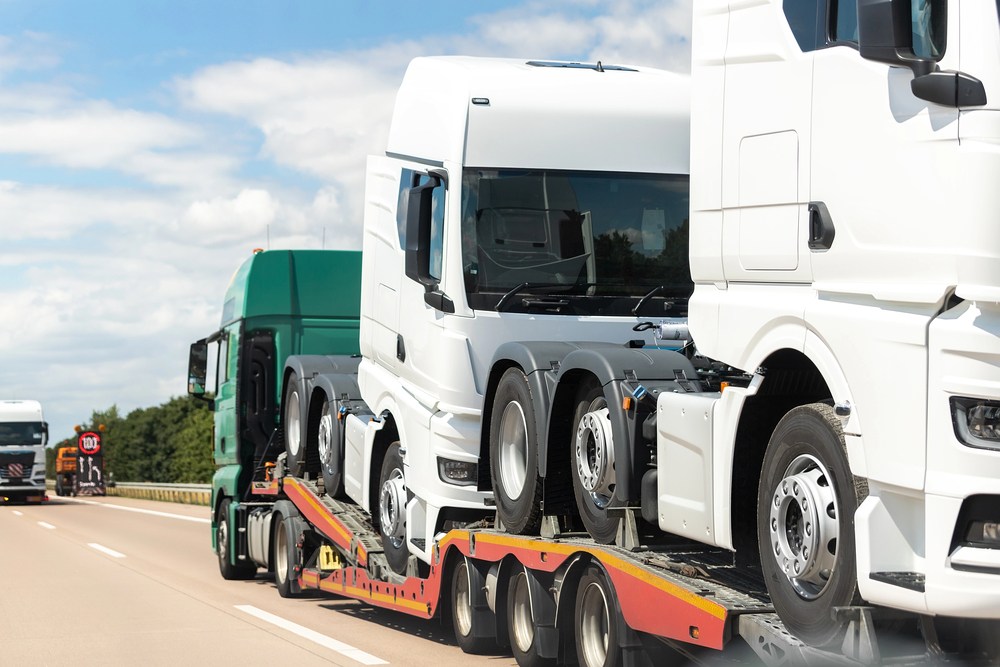
As commercial auto insurance challenges persist, the industry is increasingly leveraging telematics and supporting proposals to address third-party litigation funding.

Parametric insurance has been around for many years, but with increased data granularity and availability, these special policies are now widely available to fill coverage gaps under admitted policies.

From artificial intelligence (AI)-driven operational shifts and dynamic climate modeling to heightened cyber and privacy risks, 2026 is shaping up to be a year of transformation for the insurance industry.

In a market with such high selectivity, it falls on the prospective insured to show why it would be a good risk. Independent insurance agencies can help insureds implement approaches that demonstrate insurability and manage costs.

Insurance agents who embrace risk mitigation technologies can strengthen underwriting, deliver value to customers and differentiate their service.

As threat actors continually become more proficient in their ability to access company’s systems, there are steps all businesses can take to improve their security.

Businesses of all sizes throughout the U.S. continue to face challenges from the evolving nature of cyber risks.