5 Commercial Auto Insurance Challenges for Operators Using EVs
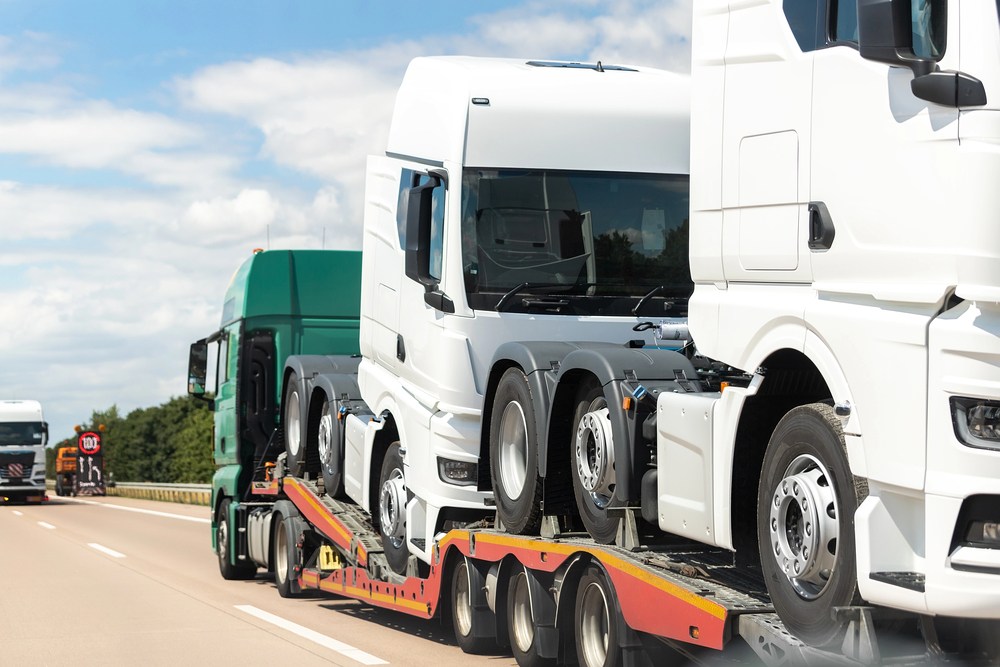
The transition to electric vehicles (EVs) is uneven, with adoption rates varying across vehicle types and markets, according to BloombergNEF. With commercial vehicles, buses, and two- and three-wheelers leading the transition and approaching a 50% market share, electric vans, trucks and passenger cars remain on a growth trajectory that could see them surpass 50% of global sales by 2035, the report said.
As commercial auto operators deal with escalating expenses, EVs are one avenue for reducing operational costs.
“The early adoption in particular has been because of operational expenses, not necessarily insurance expense,” says Kirk Aguilera, president, middle-market property & casualty, West region, The Liberty Company Insurance Brokers. “EVs generally have lower operating costs and are often equipped with better telematics systems, which deliver significant benefits for fleet operators.”

Big “I” Fall Leadership Conference
Sept. 30 – Oct. 3
However, fleet electrification introduces new exposures, including cyber vulnerabilities, battery fire hazards and higher repair costs, requiring insurers to rethink pricing and risk strategies, according to “2025: Commercial Auto Insurance Market – Challenges and Opportunities” by Connings.
For independent agents, EVs in a commercial fleet present both challenges and opportunities. As clients navigate the transition, agents can play a key role in helping them understand the risks, costs and insurance implications associated with EV adoption.
Here are five topics agents can discuss with clients as they consider a transition to EVs:
1) Physical modifications. “When you look at EV vehicles for extra heavy trucking use, these vehicles can have a gross vehicle weight of 80,000 pounds,” says Mark Gallagher, transportation practice leader, Risk Placement Services (RPS). “The batteries required to operate those trucks and trailers are very expensive and can take a significant amount of time to charge fully.”
“Getting an understanding of that and also understanding that the infrastructure for that may be years away from widespread adoption is important,” Gallagher says.
2) Repair costs. Electric vehicle repairs typically take approximately 14% longer than those for gasoline cars, according to Fleet News.
“If an EV is involved in a collision, there are many advanced technologies and components that need to be repaired or replaced, compared with vehicles from 15 years ago,” Gallagher says. “This could potentially escalate repair costs for commercial auto carriers in the future.” EVs can also cause more severe damage in a crash due to their weight. “These vehicles carry much more kinetic energy in an accident,” Aguilera says. “As a result, damage tends to be greater for both parties involved. So, although the operational expense is beneficial to the business, the risk when there’s an incident is usually greater.”
More on Trucking



Further, repair costs are also driven by the price of battery replacement. “Batteries alone can cost between $10,000 to $25,000, so the cost to repair the vehicle itself is typically more expensive when compared to replacing an engine,” Aguilera says.
3) Longer downtime. Vehicle downtime is another important consideration for businesses operating EV fleets.
“Every vehicle has some downtime, so clients have to be prepared in advance to know where they can get an EV vehicle replaced temporarily,” Aguilera says. “Also, where is that available and is it the same size and capacity?”
Agents who understand their clients’ businesses and how their vehicles support those businesses can offer the best coverage. “When a vehicle is directly tied to revenue generation, details matter,” says Tara Sites, vice president of small commercial product, Liberty Mutual. “Coverage considerations such as limits, attached equipment, towing, rental reimbursement and business interruption related to vehicle downtime can have a meaningful impact after a loss.”
Businesses such as “a mobile pet groomer, carpet cleaner or food truck cannot simply swap in any vehicle if one is damaged, so agents should make sure coverage reflects the real-world exposure,” Sites says.
4) Driver training. Based on his experience working with clients, Aguilera has found that drivers who are not accustomed to operating EVs may experience a learning curve. “Because these vehicles are heavier, they typically require longer stopping distances,” Aguilera says. “They also deliver instant torque and accelerate more quickly than conventional vehicles.”
“There’s going to be a transition period as drivers learn to operate that vehicle safely and effectively,” Aguilera adds.
5) Coverage availability. Because adoption remains relatively limited, insurers are still evaluating the risks and opportunities associated with covering commercial EV fleets, which in turn limits insurance options.
“For agents with clients that operate EVs, it’s important to recognize that there are both opportunities and potential pitfalls when it comes to insuring these vehicles,” Gallagher says. “Be aware that not every carrier out there is going to provide insurance for those vehicles until there’s more widespread adoption and there’s more data that comes out of what exposures they’re going to have as a carrier.”
Olivia Overman is IA content editor.
Agency Management Solutions
Insurance Markets
This month’s issue

The September issue is out now!