Bipartisan Bill Targets Staged Auto Accident Fraud Nationwide
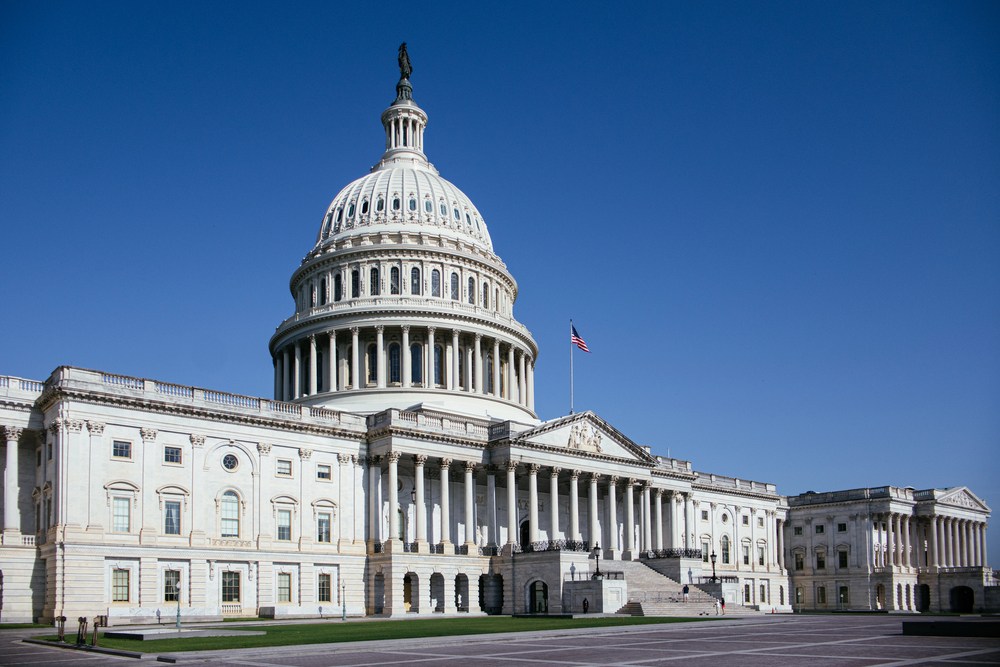
Earlier this month, Rep. Laura Gillen (D-New York) introduced the bipartisan “Stop Auto Fraud Act of 2026” into the U.S. House of Representatives to make staging motor vehicle accidents for insurance payments a federal crime.
The legislation, H.R. 10269, is co-sponsored by Reps. Troy Nehls (R-Texas), Josh Gottheimer (D-New Jersey) and Vince Fong (R-California). The bill has been referred to the House Judiciary Committee.
Under the proposal, an individual who knowingly causes, stages, fabricates or simulates a motor vehicle accident and submits, or attempts to submit, a fraudulent insurance claim could face a fine and up to 10 years in prison. The legislation specifically covers false claims involving medical treatment, vehicle repairs, lost wages and lost benefits.

Big “I” Fall Leadership Conference
Sept. 30 – Oct. 3
The bill would increase the maximum prison sentence to 20 years when the crime results in serious bodily injury. If a staged accident results in death, the offender could face any term of years or life in prison. Criminal fines collected under the legislation would be deposited in the Highway Trust Fund.
Staged accidents are an organized form of insurance fraud that can place innocent motorists in danger while generating fraudulent claims and unnecessary litigation. These schemes add costs to the auto insurance system, and those costs are ultimately borne by responsible drivers and businesses through higher premiums.
The Stop Auto Fraud Act complements the “Staged Accident Fraud Prevention Act,” which was introduced earlier this year in the U.S. Senate by Sen. Ashley Moody (R-Florida) and in the House by Reps. Mike Collins (R-Georgia) and Brandon Gill (R-Texas). That legislation focuses on deliberately staged accidents involving commercial motor vehicles and would also hold organizers, participants, attorneys, medical professionals and other co-conspirators accountable when they knowingly participate.
More from The Hill
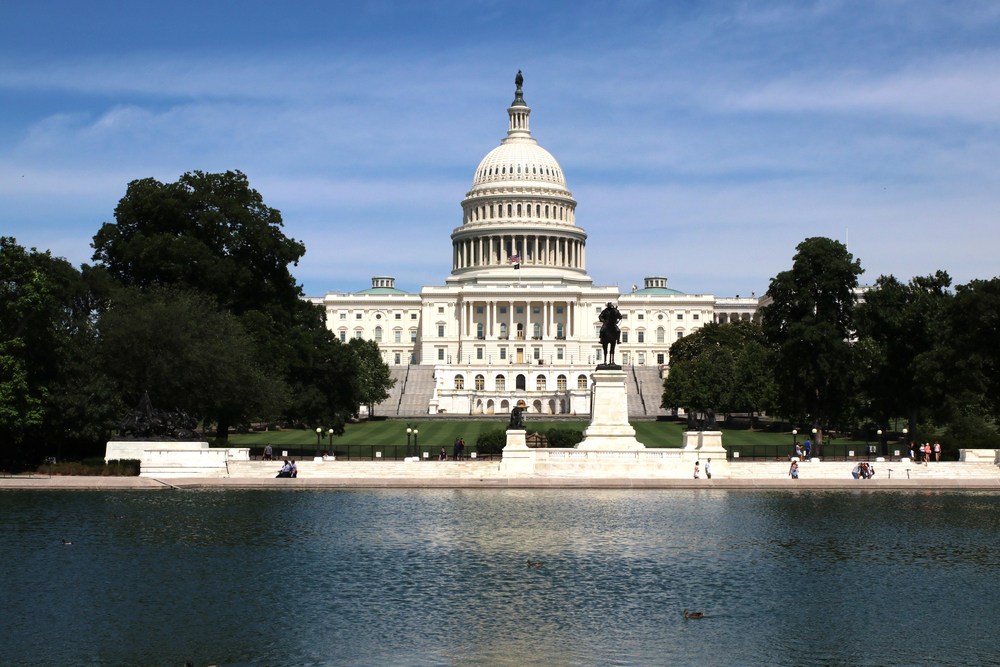

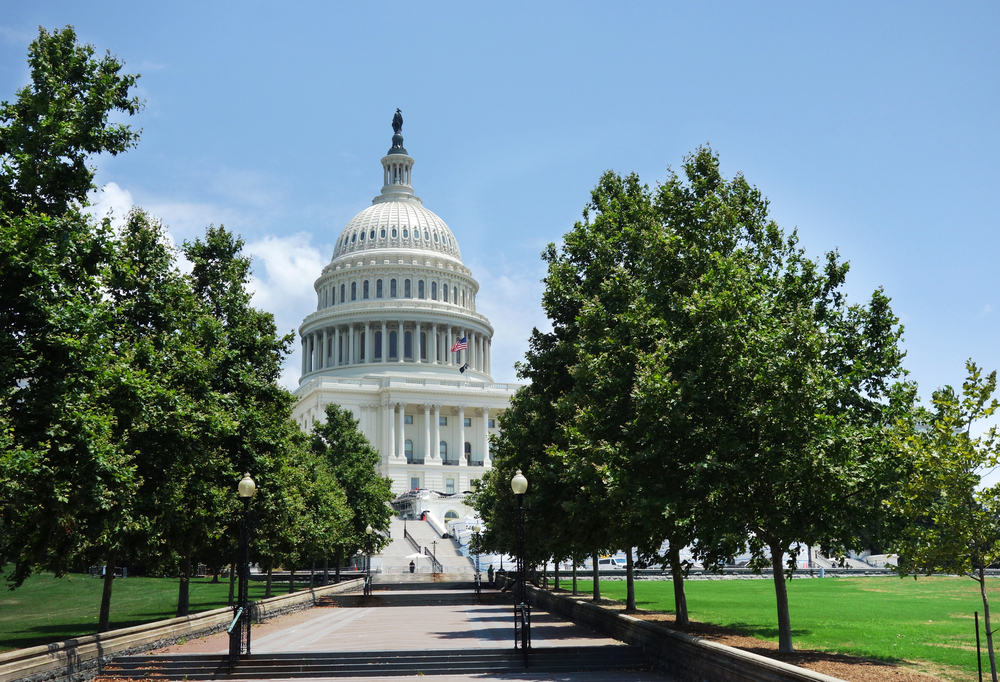
Together, the two proposals would give federal prosecutors additional tools to pursue staged-accident operations. The Stop Auto Fraud Act applies broadly to fraudulent collisions involving motor vehicles, while the Staged Accident Fraud Prevention Act addresses schemes targeting commercial vehicles and the broader network of individuals who knowingly help carry them out.
The Big “I” supports efforts to combat organized auto insurance fraud, protect motorists and reduce the unnecessary claim and litigation costs that contribute to higher insurance premiums. The association will continue working with lawmakers to advance effective anti-fraud legislation while protecting the role of independent insurance agents and brokers.
Look for updates in the News & Views e-newsletter, which runs every Thursday.
Nathan Riedel is Big “I” senior vice president of federal government affairs.
News Types
Agency Management Solutions
Insurance Markets
Big I Programs
This month’s issue
The September issue is out now!