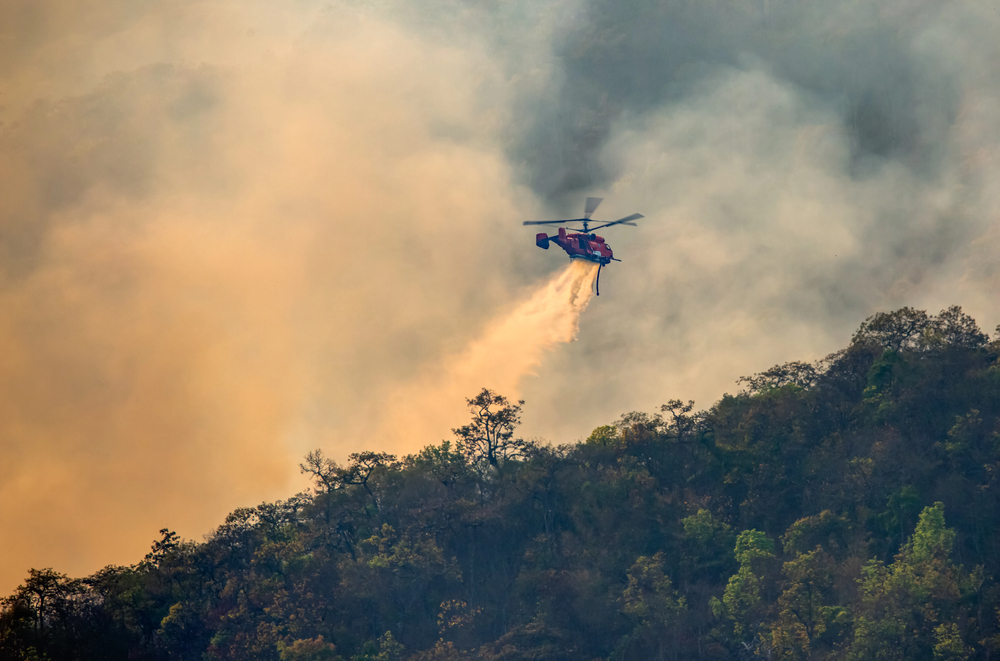
The True Cost of Deferred Roof Maintenance
What can begin as a relatively small issue on a roof can rapidly escalate into a costly property loss and prolonged business interruption for property owners.


What can begin as a relatively small issue on a roof can rapidly escalate into a costly property loss and prolonged business interruption for property owners.
As hurricane season begins, many insurance advisors are spending more time having flood conversations with homeowners living outside traditional coastal markets.
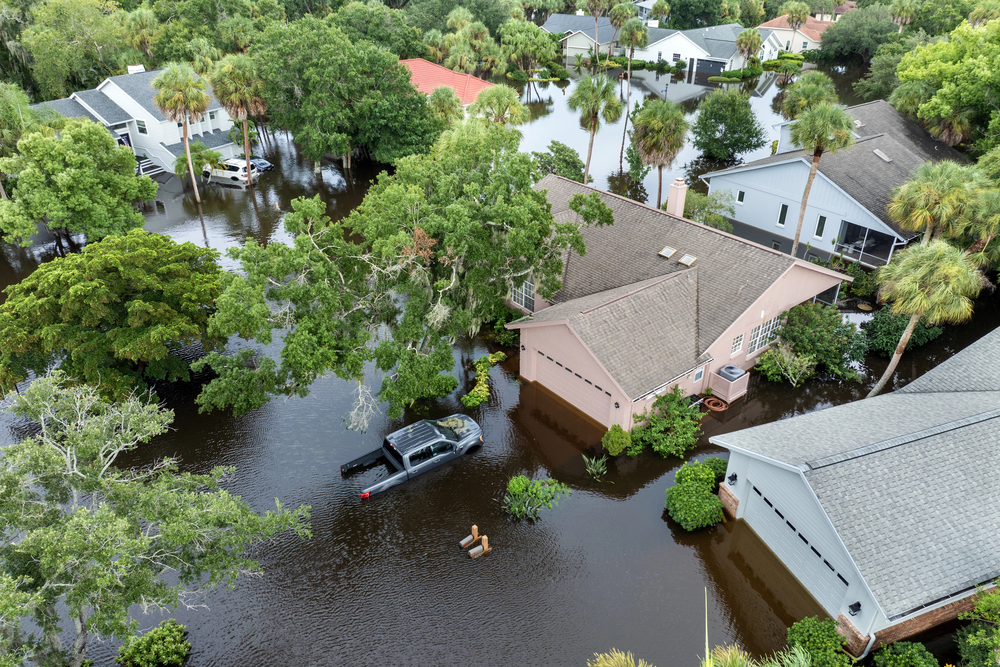
April delivered must-read insights for independent agents, including the retirement of the Safeco brand, hurricane season outlook and member recognition at the 2026 Big “I” Legislative Conference.

Winter Storm Fern highlighted how quickly winter risks can escalate when cold, ice and infrastructure strain overlap. As winter risks continue to evolve, the agent’s role as educator and advisor has never been more valuable.

December looked at the 2025 Atlantic hurricane season, the impact of claims management on customer experience, state requirements for paid leave and time off. Plus, state regulations on artificial intelligence (AI) as well as a review of 2025’s top stories.

From artificial intelligence (AI)-driven operational shifts and dynamic climate modeling to heightened cyber and privacy risks, 2026 is shaping up to be a year of transformation for the insurance industry.

For homeowners and business owners, updating their structures comes down to one key question: Is it worth spending the extra money to achieve enhanced building standards.
Insurance agents who embrace risk mitigation technologies can strengthen underwriting, deliver value to customers and differentiate their service.

September highlighted the impact of nuclear and thermonuclear verdicts on the commercial auto market, signs of improvement in the property & casualty industry, and the Big “I” welcoming Angela Ripley as the new chair.

With ongoing wildfires in the West and an above-average Atlantic hurricane season predicted, it’s essential for independent insurance agents to educate clients on how their policies can cover evacuation-related expenses.