Top 5 Most-Read Articles in Independent Agent in September
Agents read the 2026 Agency Universe Study’s key findings, met Greg Sandrock ahead of his installation and explored how consumers still value the human touch.


Agents read the 2026 Agency Universe Study’s key findings, met Greg Sandrock ahead of his installation and explored how consumers still value the human touch.
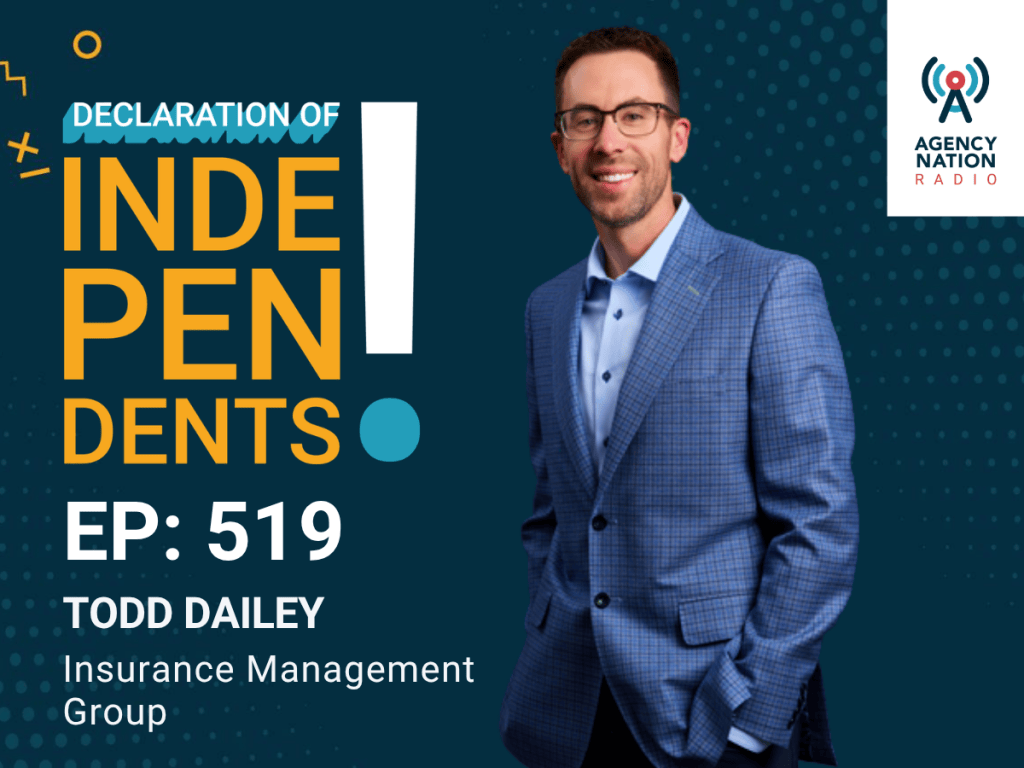
On this episode of Agency Nation Radio, we meet Todd Dailey, president and COO of Insurance Management Group in Indianapolis, Indiana.
Without clear, documented standard operating procedures (SOPs), discrepancies can hold an agency back in an era where nimbleness and scalability matter more than ever.

Independent agencies are targeting growth while reshaping operations to better serve clients, according to the biennial study.

Building trust is less about the technology than the policies, training and oversight behind it.

Todd Dailey’s approach to technology follows a simple hierarchy: people, process, then technology.
Independent agents should make cyber insurance a standard part of every small commercial quote, not just a coverage discussed when clients ask about it.

The biennial study reveals revenue growth, technology adoption and a focus on customer service.

The system goes live and the project is declared a success. But then, six months later, someone asks: Is anyone actually using it?

While the advantages of artificial intelligence (AI) can be significant, these benefits come with risks. Here are five ways to manage your agency’s exposure.