Homeowners Insurance Rebounds With $16.5 Billion Underwriting Profit
The U.S. homeowners insurance segment staged a dramatic recovery, according to AM Best, posting its first underwriting profit since 2019.
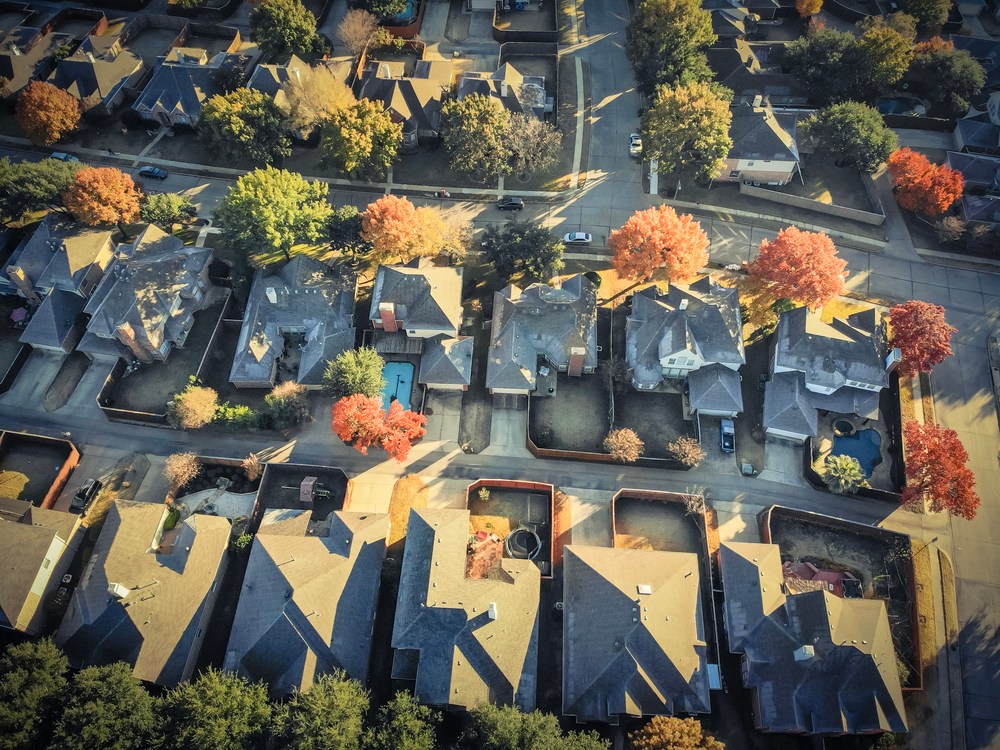

The U.S. homeowners insurance segment staged a dramatic recovery, according to AM Best, posting its first underwriting profit since 2019.
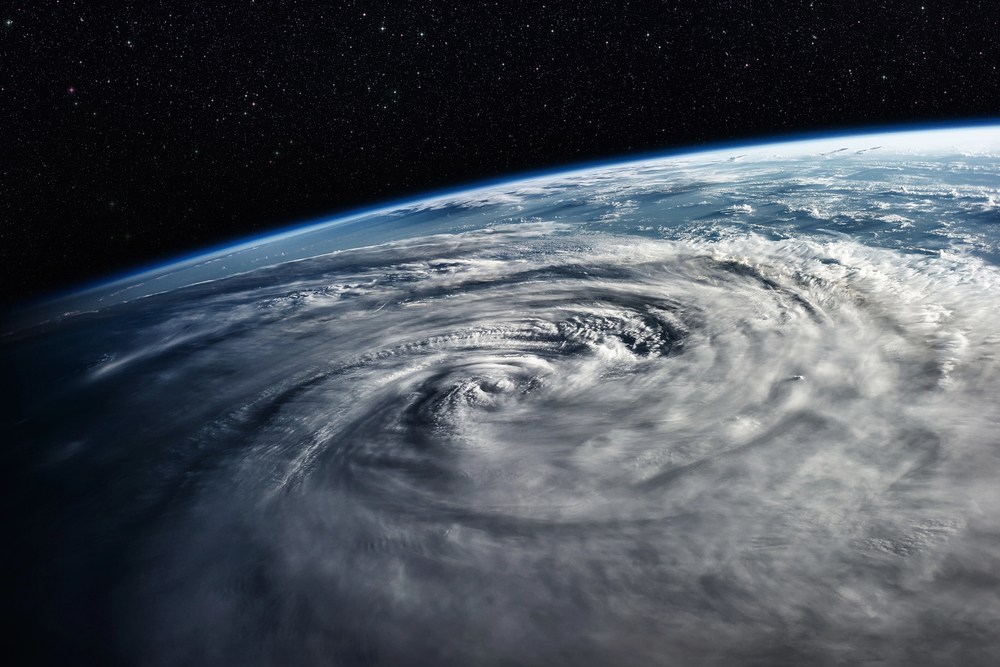
To date, no major hurricanes have made landfall in the U.S. during the 2026 Atlantic hurricane season. Does a quiet year signal that hurricane risk is easing? The evidence suggests no.
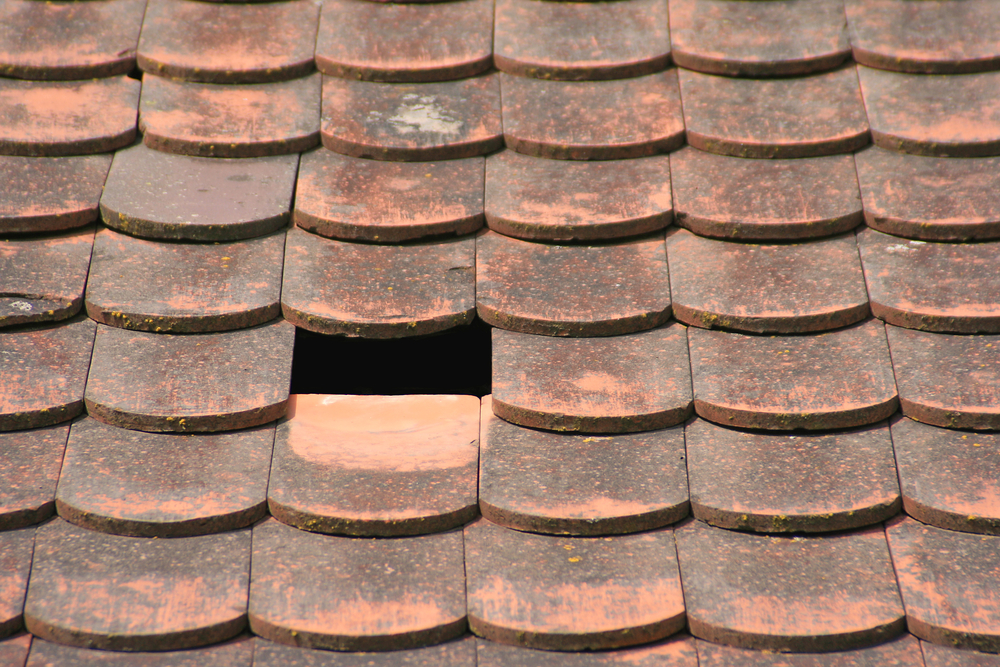
What can begin as a relatively small issue on a roof can rapidly escalate into a costly property loss and prolonged business interruption for property owners.
Commercial lines markets may be stabilizing, but agents who use this period to reset and prepare will be best positioned for what’s ahead.

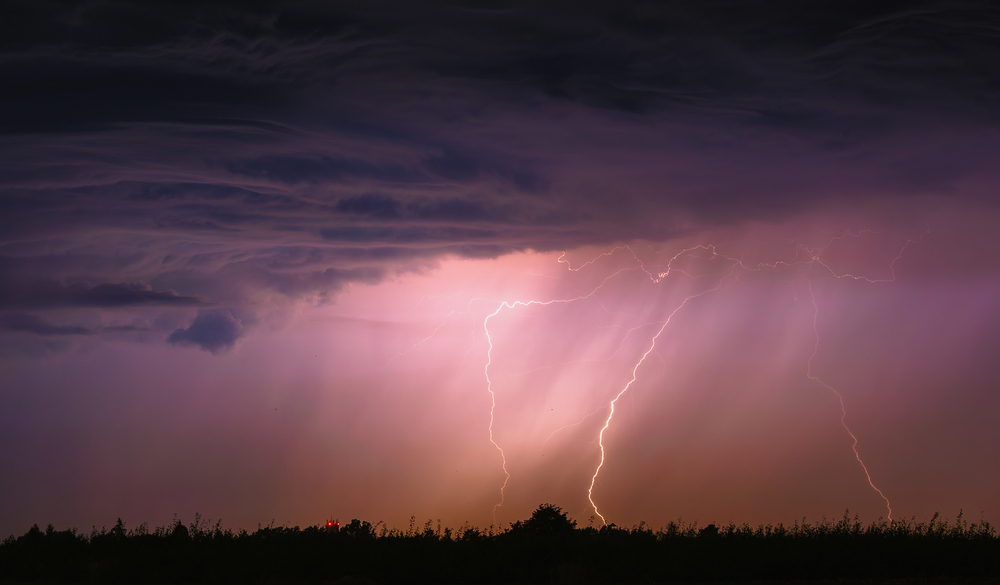
Local catastrophes caused intense regional volatility, according to Verisk, but overall lower claim volume contributed to the property & casualty industry’s strong first-quarter results.
The policy provides flood-only coverage for homes and personal property, protecting homeowners from flood risks not covered by standard homeowners or renters insurance.

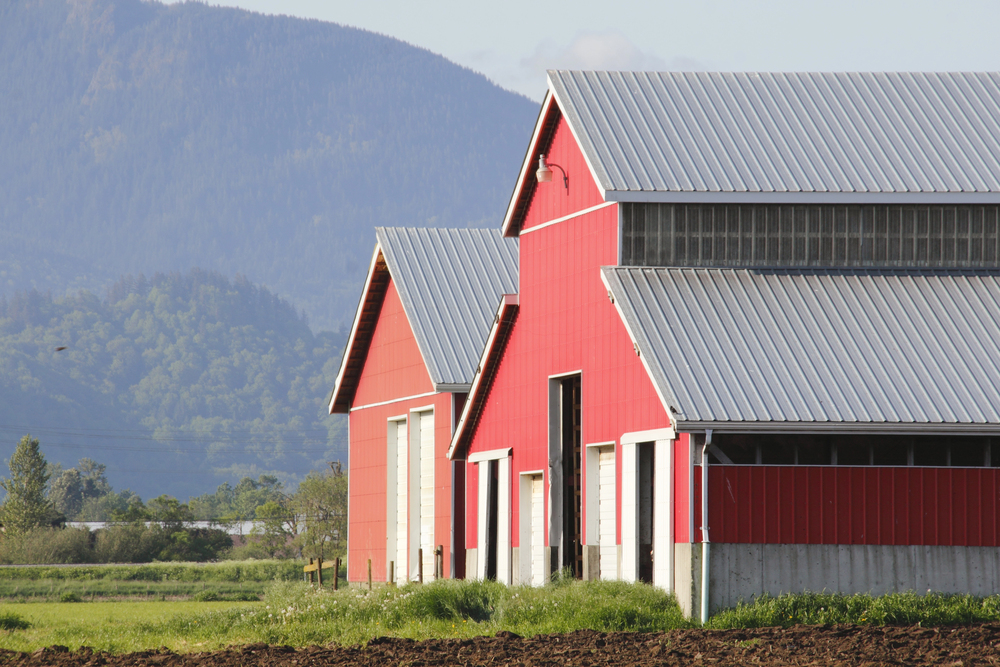
As barndominium homes continue to grow in popularity, agents and clients should be aware of five key risks—and how to mitigate them—before moving forward..
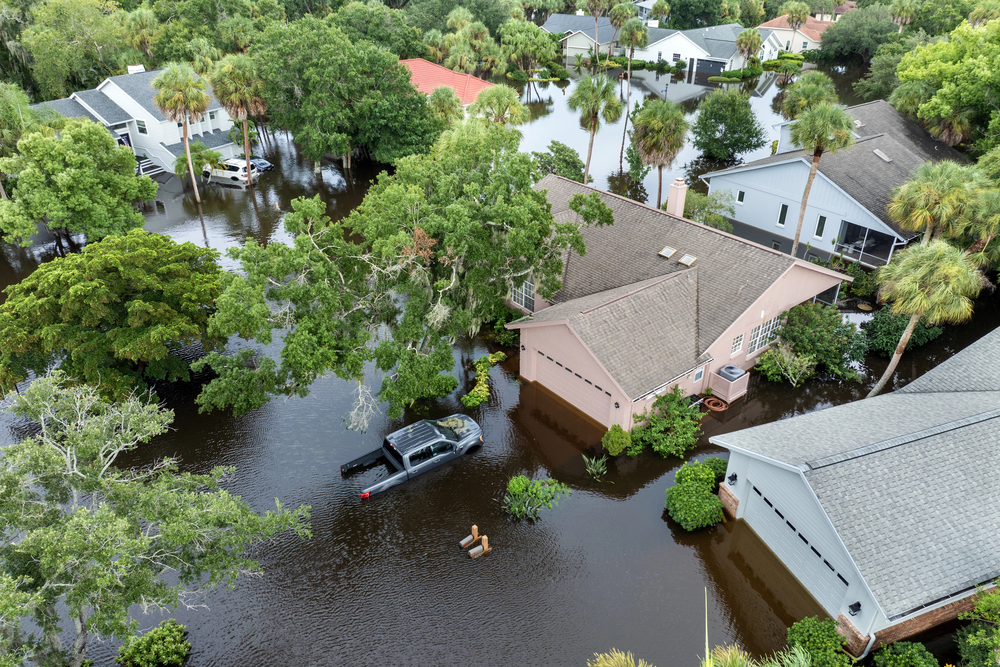
As hurricane season begins, many insurance advisors are spending more time having flood conversations with homeowners living outside traditional coastal markets.
May brought news of moderating pressures in the long-suffering personal lines space, with early signs that increases in reconstruction costs and personal auto premium hikes may be beginning to slow.

Parametric insurance has been around for many years, but with increased data granularity and availability, these special policies are now widely available to fill coverage gaps under admitted policies.