How Agents Can Help Homeowners Reduce Wildfire Risks
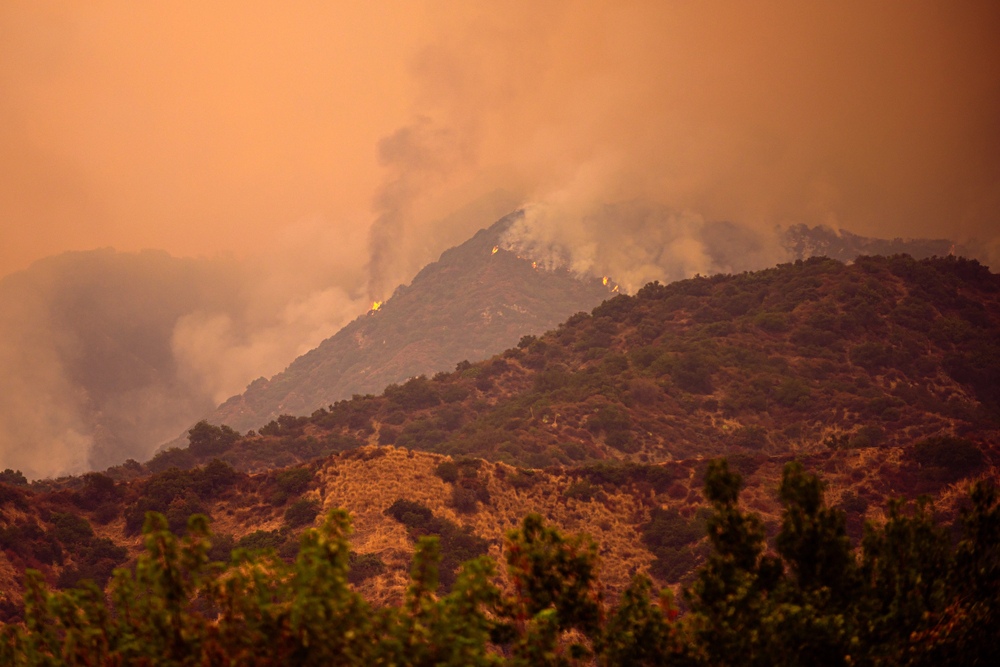
Wildfires are reshaping the way homeowners, insurers and independent insurance agents approach property protection—and the need for adaptation is urgent.
Proactive conversations with clients about catastrophe risks can surface potential coverage gaps and open the door to more forward-looking planning.
This year’s hurricane season, which started on June 1, has a 60% chance of above-normal activity, with 13 to 19 named storms expected.
2024 saw the second-highest amount of tornadoes on record and 2025 is predicted to continue above-average activity. One weekend alone in mid-May caused $9 billion-$11 billion in damage.
Despite rising concerns, 26% of commercial property owners admit to knowingly carrying inadequate insurance coverage to account for severe weather events, an 8-point increase from 2023.
Momentum has been building in the U.S. Senate where several new bipartisan proposals aim to improve forest management, reduce wildfire risks and strengthen disaster resilience.
As wildfires, tornadoes and floods continue to disrupt the lives of millions across the U.S., our industry must face a hard truth: The current insurance purchasing journey often fails both consumers and the agents trying to serve them.
Colorado State University (CSU) hurricane researchers are predicting 17 named storms during the Atlantic hurricane season.
Natural disasters are becoming more frequent, resulting in significant financial losses and exposing inadequate insurance coverage—including gaps in clients’ insurance coverage that lead to increased errors & omissions claims against agents.
How should an agency prepare for an agency management system (AMS) being down for an extended period of time, such as after a catastrophe or cyberattack?