Flood Risk Moves Inland: How Agents Can Expand the Flood Coverage Conversation
As hurricane season begins, many insurance advisors are spending more time having flood conversations with homeowners living outside traditional coastal markets.

As hurricane season begins, many insurance advisors are spending more time having flood conversations with homeowners living outside traditional coastal markets.
The 75-page report presents a comprehensive set of recommendations for overhauling the federal government’s approach to disaster preparedness, response and recovery.
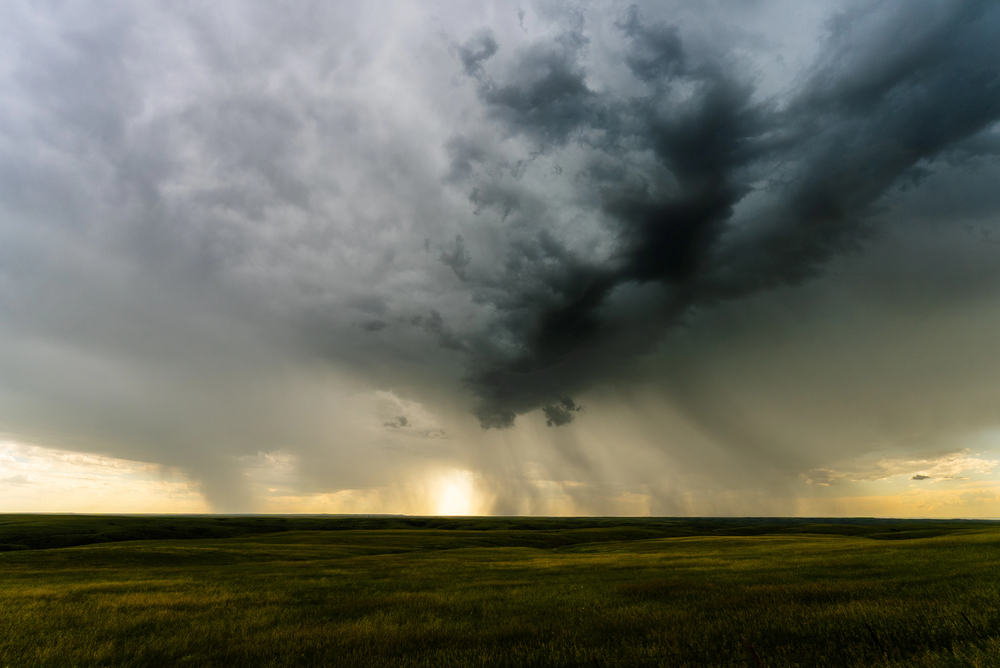
From hurricanes in the Southeast, wildfires in the West and severe convective storms in between, catastrophes are a defining feature of the current insurance landscape and are changing property insurance.
Nearly 85% of single-family homes at risk of flooding in the U.S. carry insufficient coverage, leaving households vulnerable to thousands of dollars in out-of-pocket costs, according to Neptune Flood.

Proactive conversations with clients about catastrophe risks can surface potential coverage gaps and open the door to more forward-looking planning.

This year’s hurricane season, which started on June 1, has a 60% chance of above-normal activity, with 13 to 19 named storms expected.
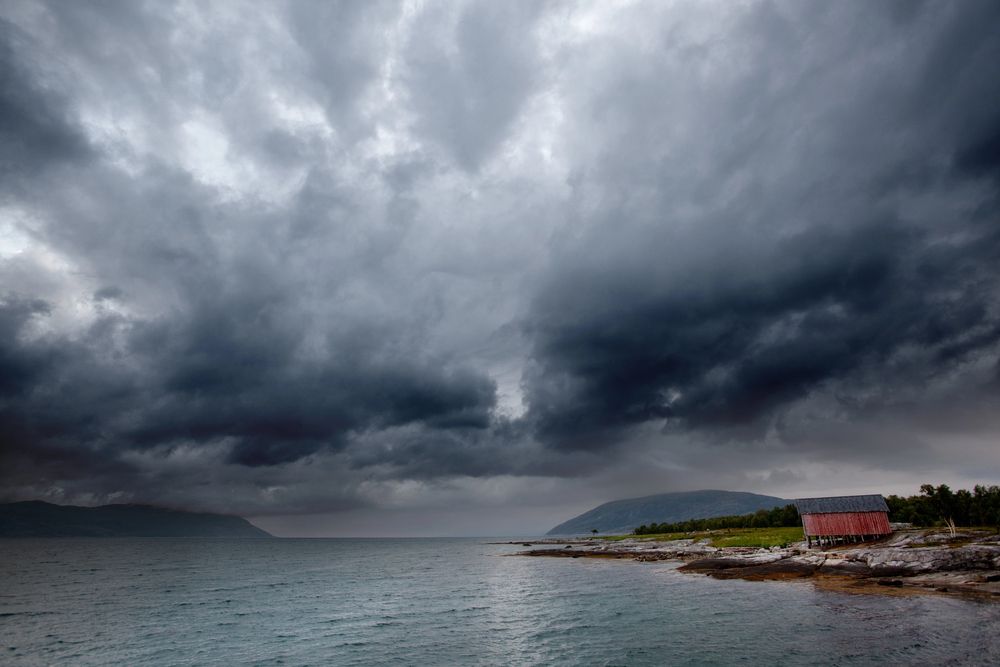
Colorado State University (CSU) hurricane researchers are predicting 17 named storms during the Atlantic hurricane season.
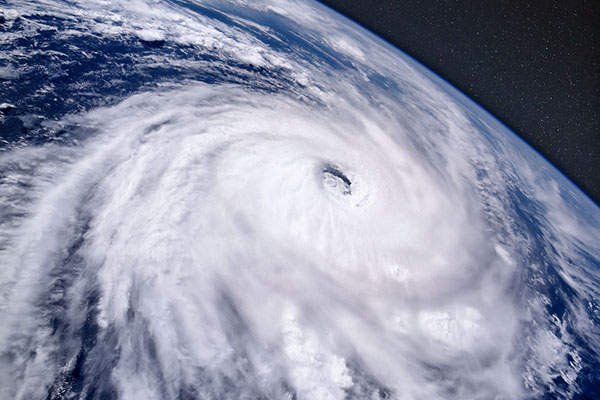
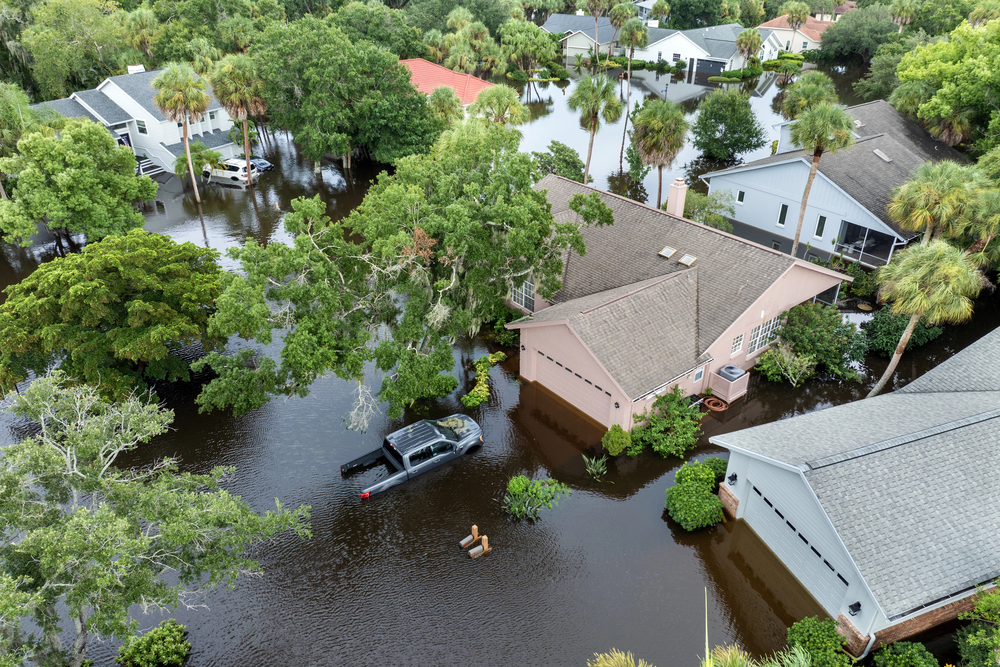
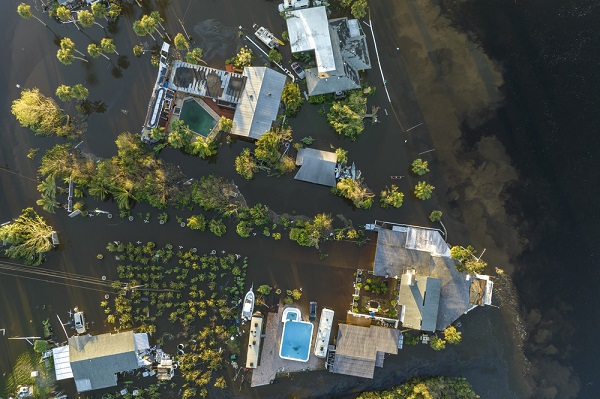
Hurricanes Helene and Milton made it clear that hurricanes, storms and floods can happen anywhere and anytime and are not limited to the coast.

The disaster highlights just how alarmingly low flood insurance coverage is among Americans, particularly in areas that are farther from the coast.
Brian Chapman, agent and owner of Chapman Insurance in Florida, sits down with Cassie Masone, vice president of flood operations at Selective Insurance.