The Important Role Agents Play in Raising Awareness of Environmental Risks
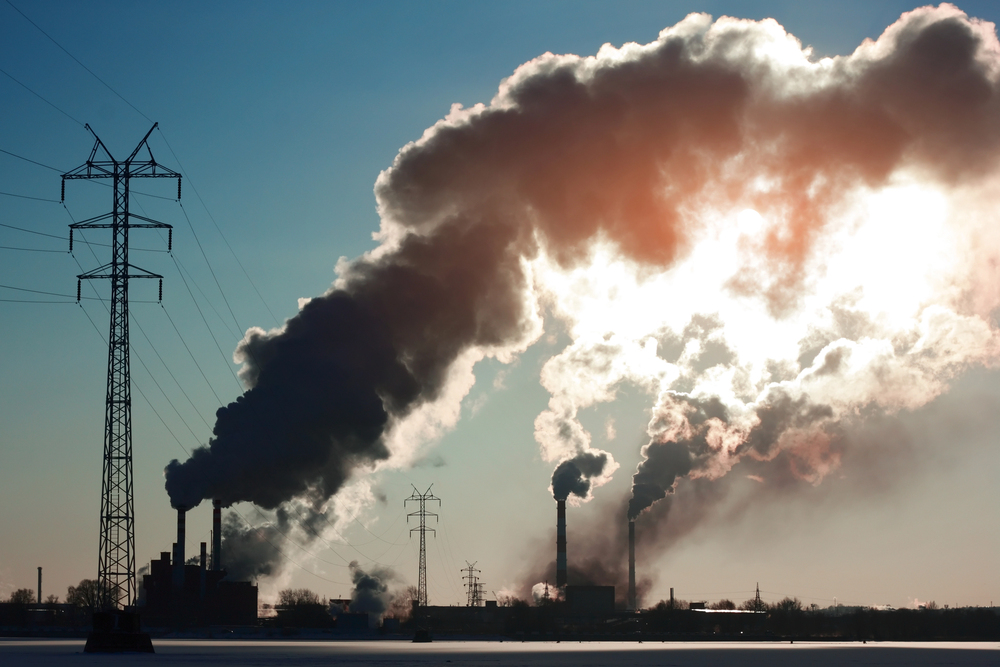
Environmental risks—such as pollution, extreme weather events, biodiversity loss and resource depletion—continue to be a cause of concern, ranking among the most severe global threats, according to the World Economic Forum’s “2026 Global Risks Report.”
Yet, the perceived urgency is declining. Over the past two years, concern about most environmental risks declined relative to other threats, with extreme weather events moving from second to fourth and pollution from sixth to ninth, according to the report.
All environmental risks declined in severity score over the two-year period. This contrasts with their rankings during the previous 10 years, in which environmental risks were the most concerning, and extreme weather events were identified as the top risk, the report says. Furthermore, half of the top-10 risks were identified as environmental.

Shape the Big “I” Agents Council for Technology 2027 Tech Trends report
Despite these fluctuations, governments, organizations, scientists and the public have become increasingly concerned about the environment and the need for sustainable solutions. The insurance industry also continues to respond to this changing environment.
“We are seeing new program managers and carriers starting new environmental insurance units, meaning they are projecting for future growth in this area,” says Kari Kohal, president, ECC Insurance Brokers, LLC dba American Risk Management Resources Network (ARMR). “The good news is that quality environmental insurance coverage is out there, and the industry is able to comfortably support more demand due to the rising awareness of environmental risks and their financial impacts.”
Additionally, “environmental insurance carriers are quick to underwrite and provide coverages for new environmental risks due to green energy and newer green products to help combat climate change and the new rules and regulations creating changing demand,” Kohal says.
As awareness grows, the environmental insurance market is undergoing a significant transformation.
“What I have observed is the slow transformation of the private sector finally waking up to the fact that we do have a vast array of environmental regulations,” says Chris Bunbury, president, Environmental Risk Managers Inc. (ERMI). “Also, we are seeing businesses realize that when they sign contracts with environmental indemnifications, they need to make sure they have an environmental financial assurance plan to back that up, and environmental insurance meets that need.”
As trusted advisers, independent agents play a key role in this dynamic market. “We are seeing more than ever where insureds are turning to independent agents to help them create a risk management plan incorporating environmental risks,” Kohal says.
“We have seen more demand from insureds looking to their independent agent to assist in amending an existing risk management plan or to transfer the risk to an environmental insurance policy. This is pushing agents to learn more about the environmental loss exposures their clients and prospects face in their daily operations, how to manage them and what type of environmental insurance policies are available to accurately transfer the risk without leaving gaps in coverage,” she says.
However, the U.S. Environmental Protection Agency (EPA) decision to repeal the 2009 Greenhouse Gas (GHG) Endangerment Finding and related vehicle emissions standards has created market uncertainty that could result in “a reduction in first-time buyers purchasing environmental coverage, as they would not see the value of the immediate need of investing cash into insurance premiums,” Kohal says.
More on Environmental Liability

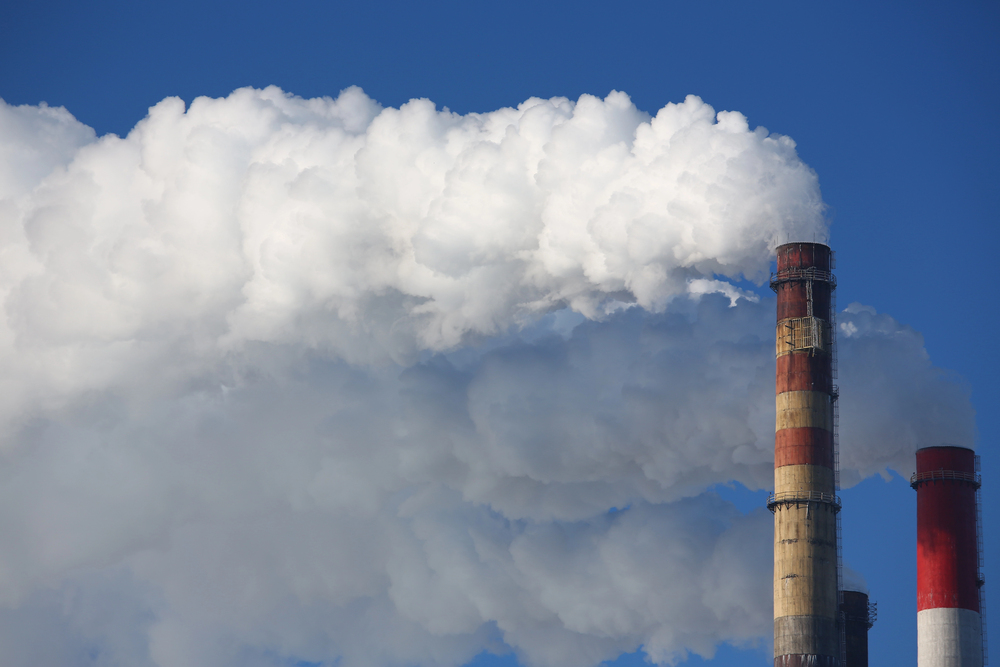
Even with regulatory uncertainty, environmental liabilities remain a long-term concern for businesses. That reality makes education and proactive risk conversations even more important.
“It is important to share with an insured or prospect that environmental liability has endless legacy risk regardless of the current regulatory changes, and that the environmental insurance they would purchase is on claims-made policies with retroactive dates. This is important as many pollution events, if they were to occur, are gradual releases over multiple policy terms,” she explains.
In a complex and changing market, “a good relationship with an environmental expert is very important,” says Nicole Wright, environmental underwriter at Burns & Wilcox. “Insureds don’t always fully understand pollution exposures, so there is much more expectation placed on agents to guide their clients and present them with options to cover their specific exposures.”
As complexity grows and more businesses confront these exposures, environmental coverage is moving beyond highly specialized industries and into the broader commercial market. However, this creates exposure for agents.
“Environmental insurance has become a Main Street product,” Bunbury says. “For agents that are not discussing the environmental exposures impacting their insureds, when an insured does experience an environmental loss, the agent’s errors & omissions coverage may be the only coverage available to the insured.”
Olivia Overman is IA content editor.
Agency Management Solutions
Insurance Markets
This month’s issue

The September issue is out now!