Are Brownfield Sites Set to Drive a Building Boom in 2026?
By Jenny Han
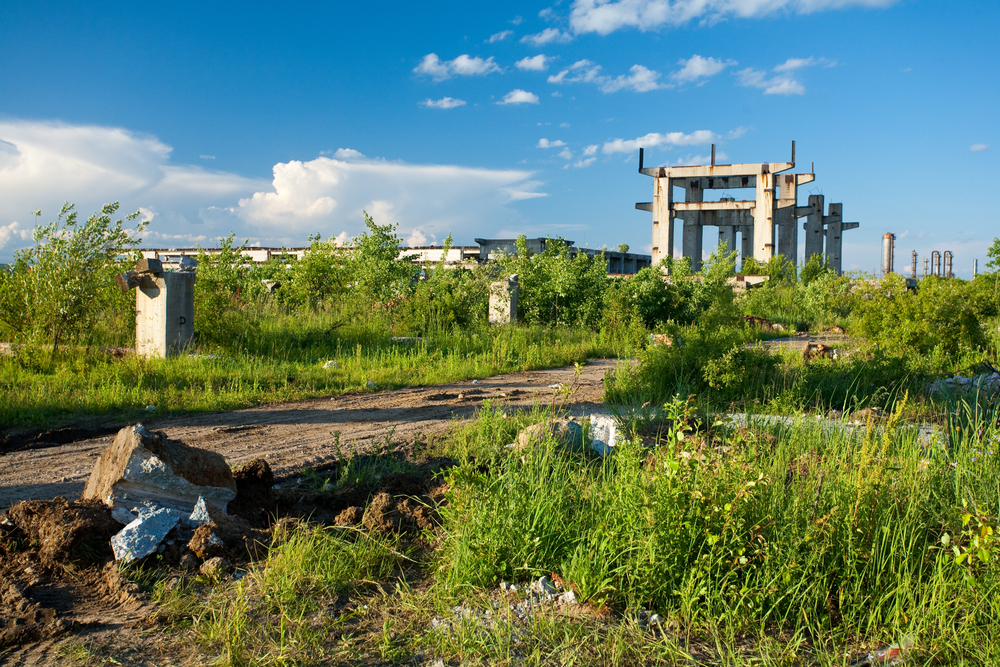
There are 450,000 brownfield sites—land that was previously developed for industrial or commercial use that is now vacant—in the U.S. that are poised for a new chapter in 2026. As demand for data centers and energy storage accelerates in the coming year, these contaminated industrial sites will find new life as technology hubs.
Once overlooked and forgotten, brownfield locations are fast becoming prime real estate for the next wave of energy infrastructure. From data centers and wind farms to battery storage facilities, these sites are critical to the energy transition because they address the challenge of sustainable development. As renewable energy and electrification demands rise, brownfield sites could well become the foundation on which the backbone of a low-carbon economy is built.

Shape the Big “I” Agents Council for Technology 2027 Tech Trends report
Regenerating blighted land, often already located close to existing transport and energy networks, reduces pressure on greenfield sites and revitalizes communities. While society demands greener energy and better infrastructure, few want these projects in their own backyard. Brownfields offer a compromise, repurposing land with industrial history rather than consuming untouched countryside.
Existing power infrastructure makes these sites ideal candidates for data center development. And to underscore the appeal of bringing sustainable business to ill-fated areas, the costs to finance this kind of project are lower than those of a greenfield site build, prompting developers to take another look at forgotten land.
Despite these obvious advantages, potential environmental liabilities loom large. Former industrial use often leaves behind legacy contamination and chemicals that have degraded over time can create unpredictable conditions. Even with thorough due diligence, site investigations are indicative—not exhaustive—leaving the door open for unanticipated challenges. Developers may uncover unexpected pollutants during excavation and face operational exposures such as dust, vapor or chemical runoff.
Compounding the challenges, extreme weather, events such as flooding can carry contaminants, impacting nearby sites. Not only can unknowns about the full extent of contamination create unexpected financial burdens during site remediation, but they can also lead to potential legislative or regulatory hurdles, depending on the issues that are uncovered.
More on Commercial Property



Yet, the need for space to build may just outweigh the risks in 2026. There are several federal programs that support the redevelopment of brownfields. The U.S. Environmental Protection Agency (EPA) Brownfields Program provides grants and technical assistance for the assessment, safe cleanup and sustainable reuse of contaminated properties. The Infrastructure Investment and Jobs Act (IIJA) invested more than $1.5 billion through this highly successful program in 2021, funding 48 infrastructure programs that could be directly relevant and valuable for brownfield and community revitalization projects.
Despite these resources, there are still a high number of unknowns and intangibles for organizations embarking on this kind of strategy. This is where thoughtful underwriting comes in. With large swaths of land in high demand for data centers and energy facilities, there is a strong business case to be made for buying up contaminated industrial sites, investing in necessary environmental cleanup and developing the sites into cutting-edge technology hubs. Insurance coverage gives developers the confidence to invest and realize the opportunities of brownfields, enabling sustainable regeneration and supporting the next energy transition.
Jenny Han is focus group leader, environmental, at Beazley.
Agency Management Solutions
Insurance Markets
This month’s issue

The October issue is out now!