Negligence vs. Faulty Workmanship: Subcontractor Cut Electrical Line
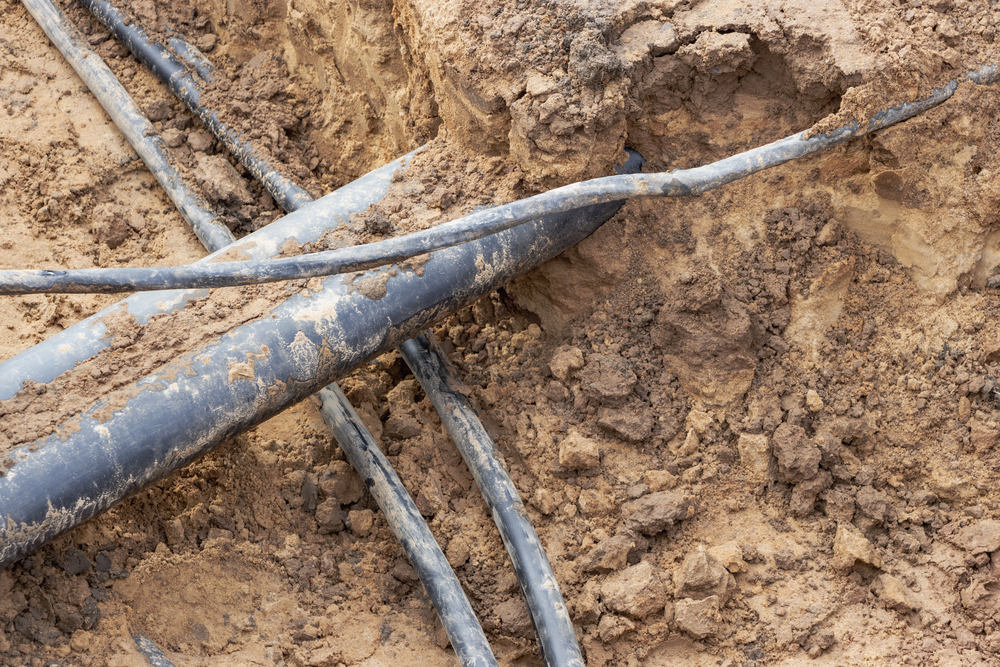
An agency’s condominium client in New York contracted with an internet provider to upgrade their service, which required replacement of the underground wiring. The internet provider subcontracted the work to another entity. That entity requested a utility mark-out, which was performed.
However, while excavating, the subcontractor damaged an electrical line, cutting off power to a building. The insured incurred a six-figure bill to supply electricity to the building.
All of the parties involved in the installation denied liability. The matter was thereafter submitted under the insured’s property policy. However, the carrier has denied coverage due to “faulty workmanship” of the subcontractor.

Agent Toolkit: Combat Legal System Abuse
Q: Is the accidental damaging of the electrical line faulty workmanship or ordinary negligence? Who is liable?
Response 1: The one thing I would look at is whether a certificate of insurance listed the insured as a named insured on the contractor’s or subcontractor’s policy. However, I don’t think that would prevent the carrier from covering this loss based on what you’ve said and what I’ve gleaned from the policy.
I think this is covered. The adjuster omitted some of the exceptions to the exclusions:
A. Coverage
We will pay for direct physical loss of or damage to Covered Property at the premises described in the Declarations caused by or resulting from any Covered Cause of Loss.
2. Property Not Covered
Covered Property does not include:
f. The cost of excavations, grading, backfilling or filling;
However, these costs are only covered when made necessary due to repair of buildings insured under this policy from a Covered Cause of Loss.
However, the insurer could argue that repairs to the building are not necessary. This argument is weak, but I point it out because it seems to be a recurring theme.
Failure of utility services is excluded. However, there are exceptions to the exclusions, such as failure of a communication service that results in a covered cause of loss. Internet access is considered a communication service.
B. Exclusions
1. We will not pay for loss or damage caused directly or indirectly by any of the following. Such loss or damage is excluded regardless of any other cause or event that contributes concurrently or in any sequence to the loss.
e. Utility Services
The failure of power, communication, water or other utility service supplied to the described premises, however caused, if the failure:
(1) Originates away from the described premises; or
(2) Originates at the described premises, but only if such failure involves equipment used to supply the utility service to the described premises from a source away from the described premises.
Failure of any utility service includes lack of sufficient capacity and reduction in supply.
Loss or damage caused by a surge of power is also excluded, if the surge would not have occurred but for an event causing a failure of power.
But if the failure or surge of power, or the failure of communication, water or other utility service, results in a Covered Cause of Loss, we will pay for the loss or damage caused by that Covered Cause of Loss.
Communication services include but are not limited to service relating to Internet access or access to any electronic, cellular or satellite network.
The exception to the exclusion is listed in Section 3 of the exclusions: “But if an excluded cause of loss that is listed in 3.a. through 3.c. results in a Covered Cause of Loss, we will pay for the loss or damage caused by that Covered Cause of Loss.”
Since we just showed that the claim is due to a power outage, and we are arguing that the alleged faulty workmanship is irrelevant, then this exclusion is not applicable.
The adjuster seems to have also overlooked service interruption coverage under additional coverages:
Any insurance provided for Business Income, Extra Expense, Spoilage or Electronic Data is extended to apply to your loss, damage or expense caused by an “equipment breakdown” to equipment that is owned by a utility, landlord or other supplier, with whom you have a contract to supply you with any of the following services: electrical power, waste disposal, air conditioning, refrigeration, heating, natural gas, compressed air, water, steam, internet access, telecommunications services, wide area networks, data transmission or “cloud computing”. The equipment must meet the definition of “equipment breakdown” except that it is not Covered Property.
In my opinion, this seems to grant coverage. The insured does not own the utility, there is a contract to supply service and the equipment—the service line—does not meet the definition of covered property.
The adjuster also seems to have overlooked that the equipment breakdown enhancement endorsement grants coverage to “equipment breakdown” both as a covered cause of loss and a specified cause of loss.
What Do the Experts Say?



Response 2: I agree with the claim denial under first-party demand for damages. The underground damage was a direct result of the damage caused by the subcontractor. This loss should be covered by their commercial general liability policy. Reach out to the subcontractor so that they may report it to their insurer of record, as noted on the COI. The loss should also be reported directly to the internet provider, as well as all related parties.
In addition, you should reach out to the company that marked the area for underground utilities. If the mark-out was done incorrectly, the damage may well be attributable to who make the marks, rather than the subcontractor. But in any case, it would seem to be a third-party liability responsibility. I don’t see first-party coverage.
Response 3: I disagree with the coverage denial. The 2006 New York appellate court decision in 242-44 East 77th Street, LLC v. Greater New York Mutual Insurance Company appears to be relevant to this loss. The policy in question referred to a “negligent work exclusion,” but the wording is very similar to that cited by the adjuster in your client’s loss. The court wrote:
To apply the negligent work exclusion to negligent work performed by persons other than the insured or those acting on its behalf or to work on other than the insured premises would require a strained and irrational interpretation of the exclusion. The exclusion does not refer to external forces generated by the activities of third parties that cause damage to the insured premises. The only reasonable explanation of the negligent work exclusion is that it applies to negligent work by or on behalf of the insured in planning, designing or constructing the insured building, which results in damage to the building.
If the excavation was part of constructing a faulty foundation, the exclusion would apply. However, the underground wires were not defective until the contractor severed them. This was an accident, not defective work. I believe the insurer should provide coverage.
This question was originally submitted by an agent through the Big “I” Virtual University’s (VU) Ask an Expert service, with responses curated from multiple VU faculty members. Answers to other coverage questions are available on the VU website. If you need help accessing the website, request login information.
This article is intended for general informational purposes only, and any opinions expressed are solely those of the author(s). The article is provided “as is” with no warranties or representations of any kind, and any liability is disclaimed that is in any way connected to reliance on or use of the information contained therein. The article is not intended to constitute and should not be considered legal or other professional advice, nor shall it serve as a substitute for obtaining such advice. If specific expert advice is required or desired, the services of an appropriate, competent professional, such as an attorney or accountant, should be sought.
Agency Management Solutions
Insurance Markets
Big I Programs
This month’s issue

The October issue is out now!