ProHost Tops Up Wine Profit Coverage for Restaurants
In an industry where there is plenty of competition and many challenges, high-end restauranteurs no longer need the added worry of proper insurance coverage for their well-stocked wine cellar.

In an industry where there is plenty of competition and many challenges, high-end restauranteurs no longer need the added worry of proper insurance coverage for their well-stocked wine cellar.
It’s no longer enough to sell someone an affordable liquor liability policy—today’s insured wants more. Add value by sharing these risk management techniques.
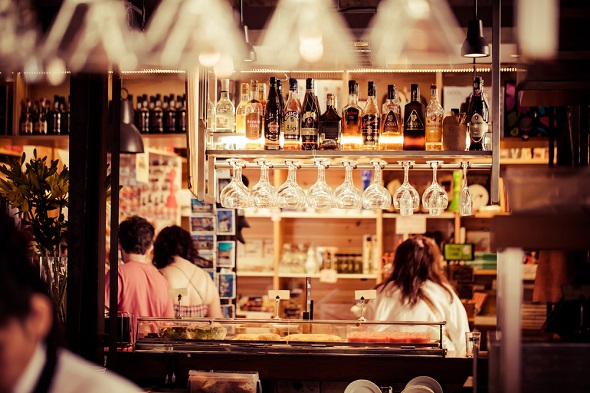
Recently, many admitted liquor liability carriers have increased their appetites for higher-risk liquor establishments—and the result is an incredibly soft marketplace.
Despite living in a state where there are no dram shop laws, independent agent Roger Cole always offers his clients liquor liability coverage “because there’s always that anomaly that can take place within the law,” he says. “It’s our job to convince them
To effectively compete in 2018, your restaurant clients need to focus on one area in particular: their employees.
Independent agent Andrew Bierschied moved into the insurance industry to “have a little more control over my own destiny, career-wise and financially,” he says.
From typical property and liability risks like slip-and-fall to less common ones like food-borne illnesses, restaurants face a variety of unique exposures. And that requires securing additional layers of coverage beyond what an average small business requ

A fast-paced environment coupled with slippery surfaces make restaurants liability landmines, leading to costly workers comp and personal injury claims.
Understanding dram shop law in every state where you have a liquor liability client is crucial to succeeding in this market. But that’s not all it takes.
Nearly one-third of losses at bars, taverns and nightclubs arise from assault and battery claims. And thanks to various coverage restrictions on assault and battery, the line between liquor and general liability claims is not always clear.