Neptune Flood Raises Building Coverage Limits and Expands Options
Neptune increased building coverage limits to $15 million across primary and excess flood policies and added enhanced protections for residential, commercial and condo policies.
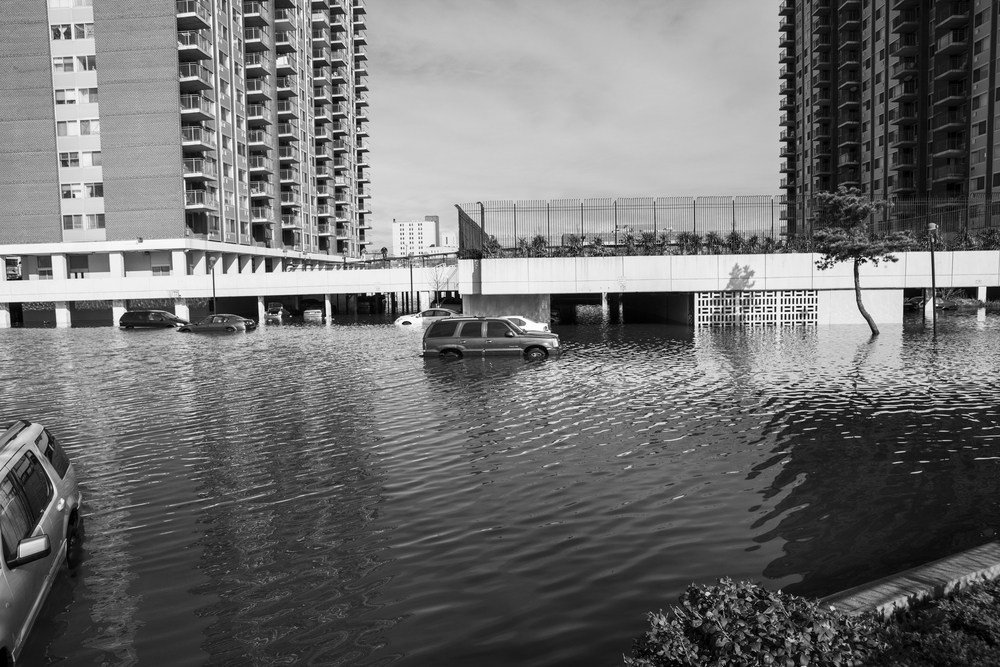

Neptune increased building coverage limits to $15 million across primary and excess flood policies and added enhanced protections for residential, commercial and condo policies.
Continued wage growth across major trades reflected ongoing skilled labor shortages, capacity limitations and a demand for specialized construction services.

Local catastrophes caused intense regional volatility, according to Verisk, but overall lower claim volume contributed to the property & casualty industry’s strong first-quarter results.

While every state saw residential and commercial reconstruction costs increase, premiums for personal auto and homeowners policies show signs of deceleration.

Coverage includes property insurance with enhancements covering farm dwellings, outbuildings, equipment, livestock, harvested crops, and more.

For more than a year, the Big “I” worked constructively with Fannie Mae and Freddie Mac to revise their property insurance requirements for federally backed mortgages.

The deadly winter storm that swept across the U.S. over the weekend has left at least 12 people dead and thousands of people stranded, with over 19,000 flights canceled during the storm.

December looked at the 2025 Atlantic hurricane season, the impact of claims management on customer experience, state requirements for paid leave and time off. Plus, state regulations on artificial intelligence (AI) as well as a review of 2025’s top stories.

From artificial intelligence (AI)-driven operational shifts and dynamic climate modeling to heightened cyber and privacy risks, 2026 is shaping up to be a year of transformation for the insurance industry.

2025 is on track to be the lowest claim volume year in recent history, yet cost management remains critical as severity trends continue to increase, according to Verisk.