36% of Small Businesses Worry About Employee Injury Risk
Employee injury is already part of the risk conversation. A more connected process can make it easier for agents to discuss workers compensation and act on the need.


Employee injury is already part of the risk conversation. A more connected process can make it easier for agents to discuss workers compensation and act on the need.
A more connected quoting experience can make workers compensation easier to handle, giving agents more time to understand the business, educate clients and recommend coverage.

Core coverages include accidental death and dismemberment (AD&D), accident medical expense reimbursement, temporary total disability benefits, and more.

A more connected process can help agents place workers compensation alongside other commercial coverage while creating more room to advise policyholders.

A more connected quoting experience can make workers compensation easier to manage, giving agents more time to understand the business, discuss coverage needs and advise clients.

As an influx of new employees takes on higher-hazard jobs, a well-oiled approach to risk management is imperative.

Maritime workers comp is easy to miss and costly to get wrong. Learn how independent agents can spot hidden waterfront exposure before a claim.

From shipyards to dock contractors, longshore & harbors exposure can appear in unexpected places. Learn where to look and when to bring in The American Equity Underwriters.

State workers comp may not be enough for waterfront employers. This guide helps agents understand when federal maritime coverage may apply.
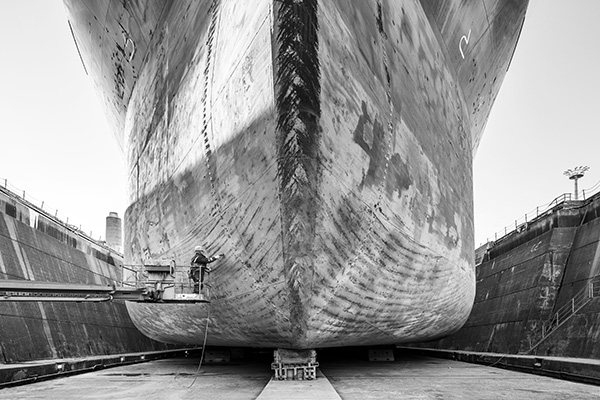
Clients working on or near navigable waterways may need longshore coverage. Here’s what agents should ask before a gap becomes a claim.