Are Quieter Hurricane Seasons an Anomaly or a Trend?
To date, no major hurricanes have made landfall in the U.S. during the 2026 Atlantic hurricane season. Does a quiet year signal that hurricane risk is easing? The evidence suggests no.
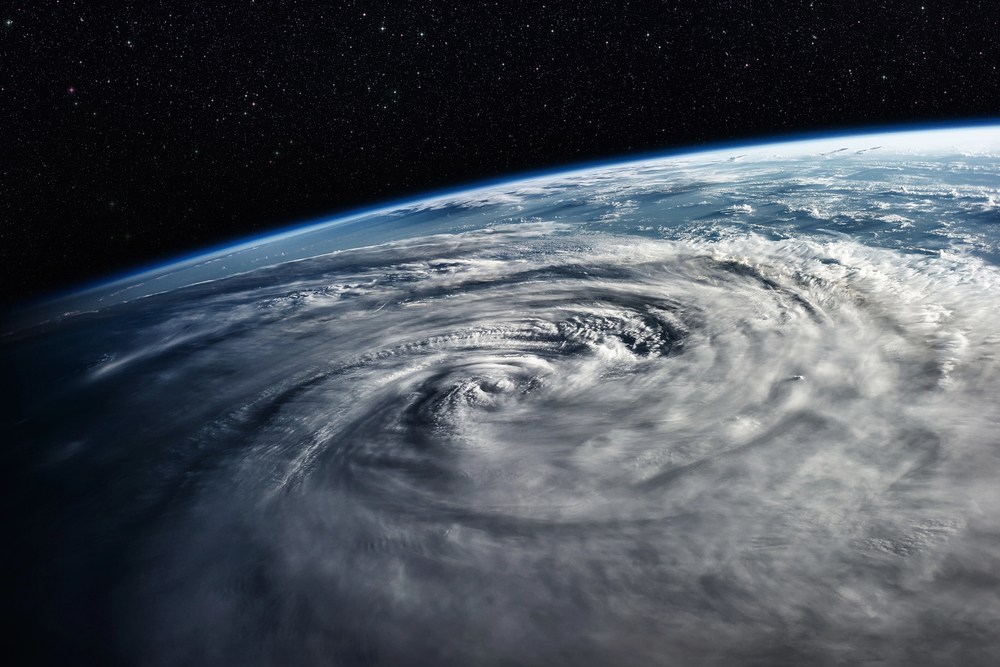

To date, no major hurricanes have made landfall in the U.S. during the 2026 Atlantic hurricane season. Does a quiet year signal that hurricane risk is easing? The evidence suggests no.
Local catastrophes caused intense regional volatility, according to Verisk, but overall lower claim volume contributed to the property & casualty industry’s strong first-quarter results.
The policy provides flood-only coverage for homes and personal property, protecting homeowners from flood risks not covered by standard homeowners or renters insurance.
As hurricane season begins, many insurance advisors are spending more time having flood conversations with homeowners living outside traditional coastal markets.
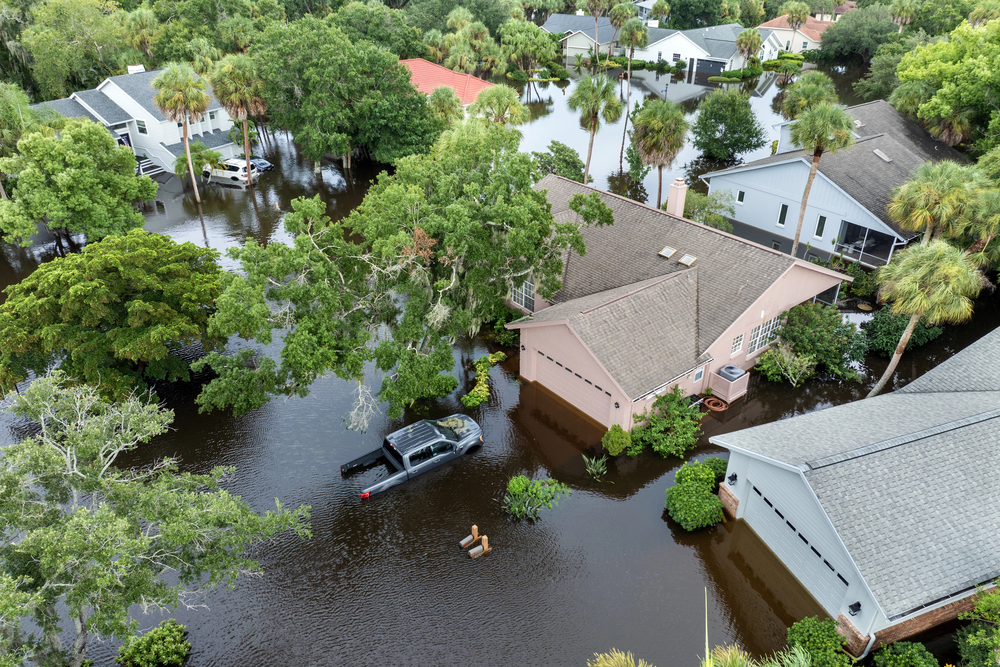
May brought news of moderating pressures in the long-suffering personal lines space, with early signs that increases in reconstruction costs and personal auto premium hikes may be beginning to slow.

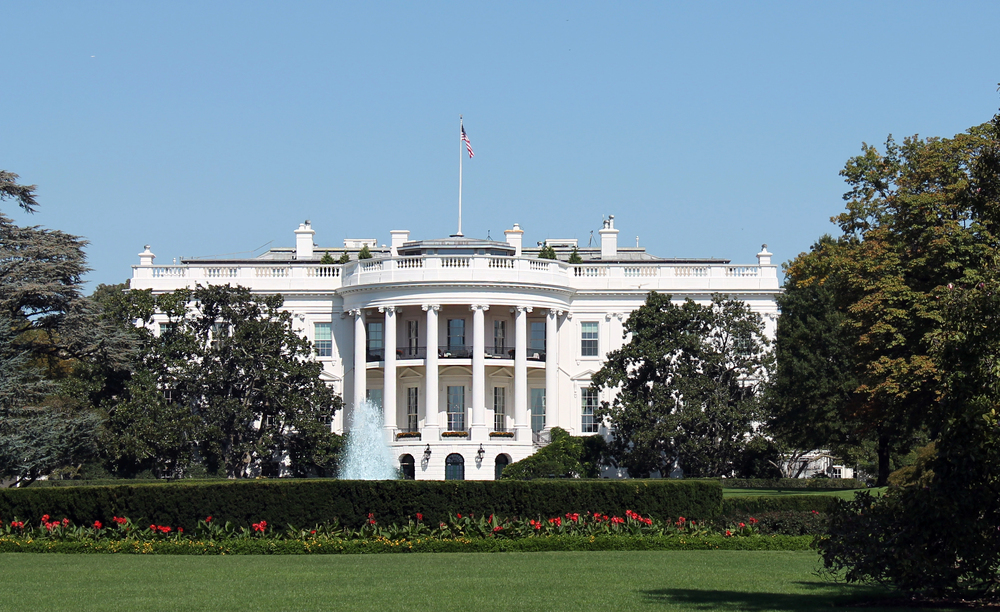
The 75-page report presents a comprehensive set of recommendations for overhauling the federal government’s approach to disaster preparedness, response and recovery.
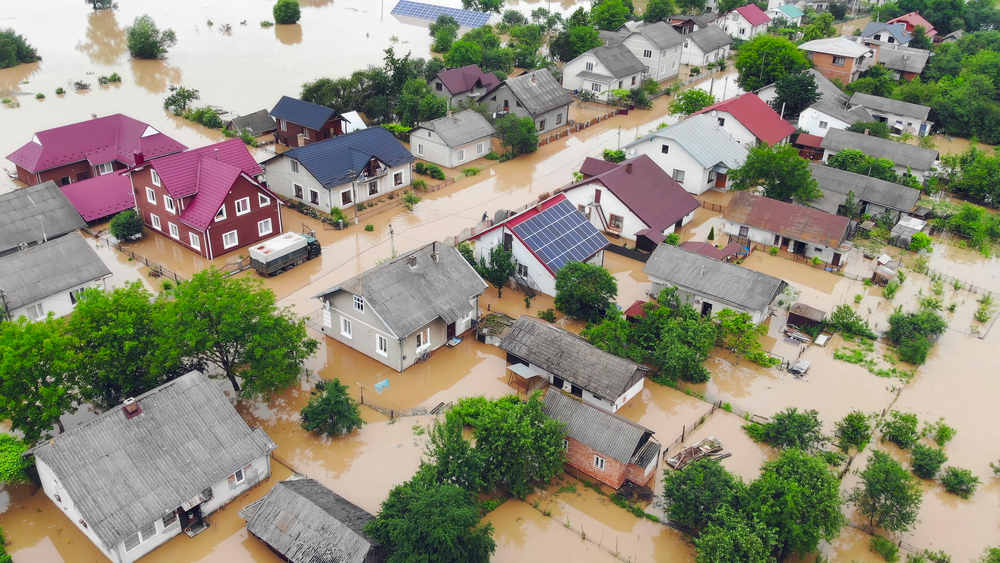
Rainfall-driven flooding, overwhelmed stormwater systems and runoff from new development are increasingly common drivers of loss. Those realities do not always align neatly with boundary flood zones.
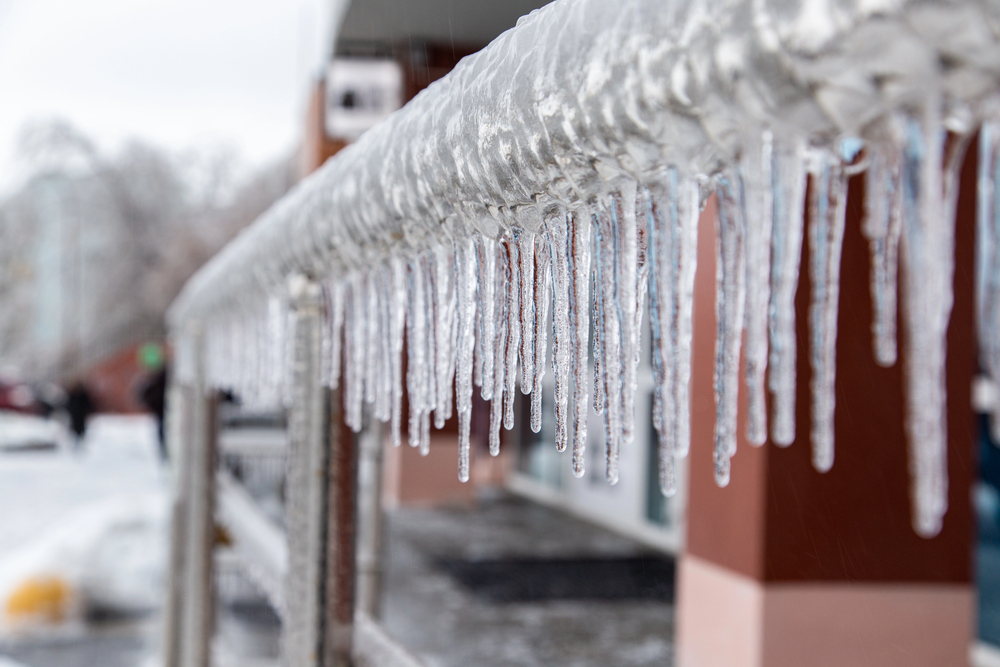
The deadly winter storm that swept across the U.S. over the weekend has left at least 12 people dead and thousands of people stranded, with over 19,000 flights canceled during the storm.
December looked at the 2025 Atlantic hurricane season, the impact of claims management on customer experience, state requirements for paid leave and time off. Plus, state regulations on artificial intelligence (AI) as well as a review of 2025’s top stories.

While storms may not make landfall in the U.S., they are becoming increasingly unpredictable and intensify rapidly, warns the National Oceanic and Atmospheric Administration (NOAA).