The True Cost of Deferred Roof Maintenance
By Joe Roche
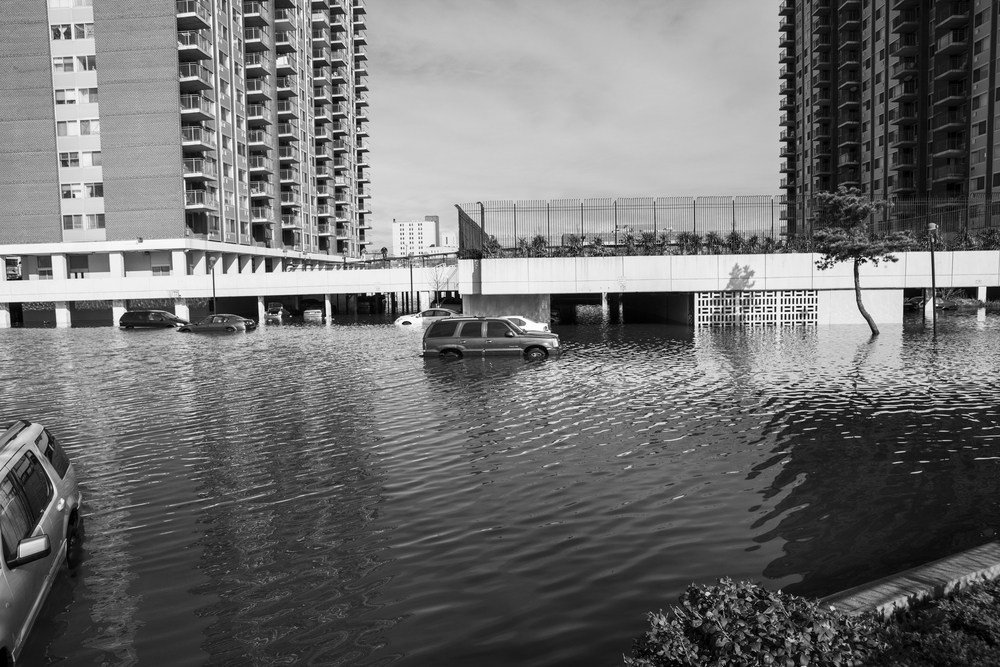
They say a strong foundation is the key to success. While this is true, a secure roof can be just as important. For commercial properties, the roof serves as the first line of defense against the elements. And when it fails, water can quickly damage ceilings, insulation, walls, flooring, electrical systems, equipment, inventory and other valuable property.
What begins as a relatively small issue can rapidly escalate into a costly property loss and prolonged business interruption.
As inflation and other economic factors drive up the cost of commercial roof replacement, some building owners may postpone replacing aging roofing systems in the hopes of extending their useful life. Others may even assume that a future wind or hailstorm will provide an opportunity to replace the roof through an insurance claim.

What Are Your Goals for 2027?
That strategy can prove costly.
Today’s insurers are scrutinizing roof claims more closely than ever. If evidence shows that deferred maintenance caused or contributed to the loss, insurers may reduce or deny portions of a claim based on policy exclusions.
Independent agents and brokers looking to provide added value to their clients should encourage proactive roof upkeep and suggest maintenance tips long before problems develop.
How Roof Maintenance Impacts Risk
Commercial roof replacements present major business expenses that have only been exacerbated by recent inflation. Increased material costs are often compounded by pricey code-required upgrades, creating a further burden on business owners. Faced with the increased expense, some owners rely on temporary repairs, delaying full replacement until a significant weather event occurs.
But commercial property policies generally exclude losses caused by wear and tear, deterioration, neglect or inadequate maintenance. When a storm damages an already deteriorated roof, insurers frequently investigate whether pre-existing conditions contributed to the extent of the damage.
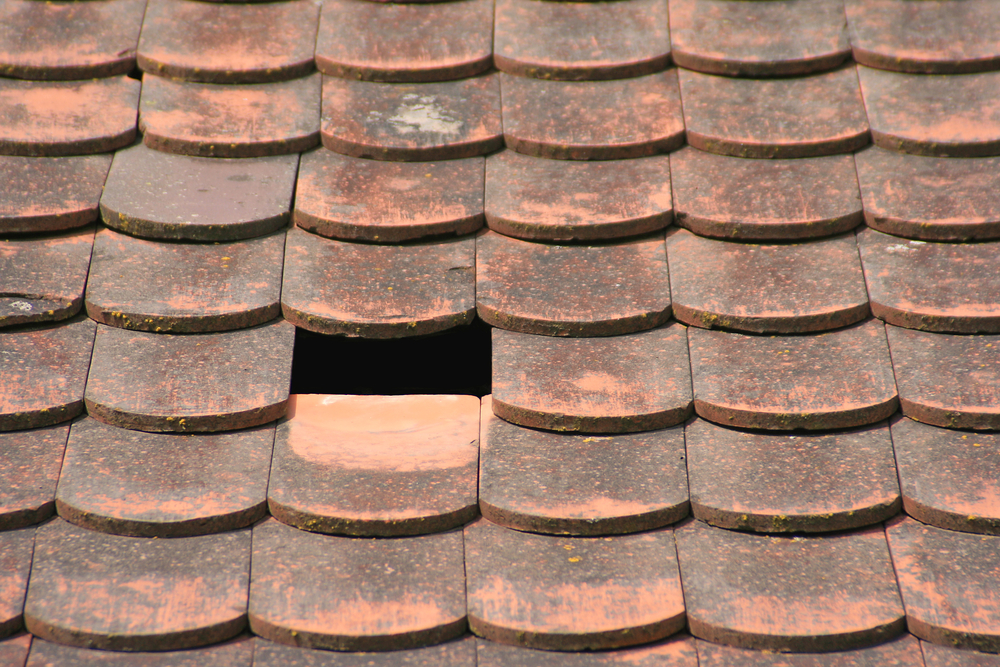
Additionally, it’s critical that roof maintenance is considered in a broad sense. Displaced coping caps, deteriorated sealants, cracked pipe boots, damaged flashing, clogged roof drains, ponding water and deteriorated HVAC curbs frequently allow water to enter a building gradually. Over time, moisture can saturate insulation, rot structural decking, corrode fasteners and create conditions for mold growth, significantly increasing repair costs and impacting the legitimacy of insurance claims.
Roof-related claims are among the most frequent and costly commercial property losses, so underwriters take a careful look at roofs. Many property owners may not realize their roof is under scrutiny until a premium increase, a higher deductible is implemented or upon receipt of a non-renewal notice.
Carriers view maintenance as a primary underwriting factor. Advancements in technology and data gathering have provided carriers with a variety of tools to evaluate risk, including artificial intelligence (AI)-assisted aerial imagery, historical satellite imagery, roof age databases, infrared moisture detection, drone inspections, weather analytics and predictive modeling.
How Independent Agents Can Help Clients Mitigate Roof Risk
While many building owners avoid contemplating the consequences of deferred maintenance until a leak or something worse occurs, agents have an opportunity to change the conversation to help policyholders plan for maintenance. This work begins by discussing the roof condition as a crucial factor in the underwriting process and financial planning.
More on Commercial Property


Viewing roof maintenance as a line item rather than waiting for an inevitable emergency can change how policyholders approach the subject of building maintenance. Those who start the conversation with their clients immediately are not just assisting the policyholder with protecting a building, they are helping them stay in business.
To avoid coverage challenges related to a roof and to increase the lifespan of the commercial roof, independent agents and brokers can advise clients to develop and implement a formal roof maintenance program, tailored for each business based on factors, such as geographic location, business needs and what the building is being used for. A plan should also include post-storm protocols and documentation.
Importantly, maintenance plans should require at least one annual inspection to document the condition of the roof while identifying any maintenance or repairs that may be required.
Further, drainage inspections should also be required, as clogged drains can cause water to collect on the roof, resulting in roof surface degradation, seepage and potentially significant structural risks. This is especially important in areas of the country prone to heavy snow loads.
Joe Roche is claims consultant at Pennsylvania Lumbermens Mutual Insurance Company.
Agency Management Solutions
Insurance Markets
This month’s issue

The October issue is out now!