Barndominium Insurance: 5 Construction Trends That Impact Risk
By Jessie Kramer
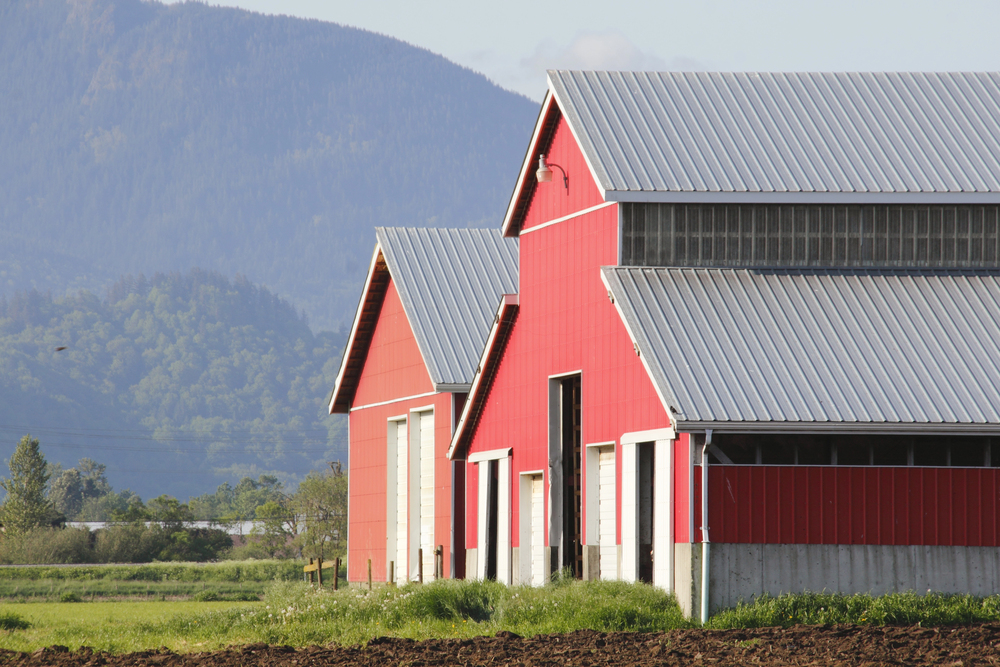
The rise in popularity of barndominiums—homes combining a residence with a workshop or barn—introduces new insurance considerations. These metal-framed buildings offer tall ceilings, open floor plans, lower labor costs and pre-designed purchasing options.
Initially, this home style became popular in Texas and the Midwest, but interest has increased in the Rocky Mountains and the South. Each of these regions introduces different risks that require specific design approaches, including higher snow and wind loads.
A further challenge is that rural counties tend to have fewer building code addenda and oversight for new agricultural and residential builds. This can result in new building concepts applied in high-demand regions with limited design oversight. Moreover, metal buildings can perform very differently based on the basic design and finish decisions.

Shape the Big “I” Agents Council for Technology 2027 Tech Trends report
Here are five key risks that can impact barndominiums, as well as mitigation considerations for independent insurance agents to pass along to clients:
1) Fire. In fire-prone regions, a key benefit of barndominiums is their metal construction compared to wood framing. Steel, being a noncombustible material, makes barndominiums more resilient to wildfires and contributes less to fire spread than wood products. In insurance terms, opting for a barndominium can result in a Class 3, 4 or 5 building, rather than a frame-built Class 1 building.
Simple finishing choices made by the homeowner during the finish and build-out phase can result in greater fire resiliency. A Class 5 rating is possible for a barndominium if the wall and roof systems are one-hour- or two-hour-rated assemblies.
If interior partition walls and mezzanine additions are constructed with wood framing rather than cold-formed steel framing, the homeowner risks a lower-class rating. Additionally, if an owner decides to add wood paneling to the walls for aesthetics, the rating will decrease due to the material’s combustible nature.
One benefit of barndominiums is the flexible interior space that allows for a mix of living and working space. When determining construction class, underwriters may take into consideration that finishes may vary by section of the building. The garage or workshop area might call for more resilient and protective finishes due to the nature of the work and the materials used in the space, such as welders or combustibles. This extra protection may be necessary to protect the home.
2) Moisture intrusion. Roof-level moisture intrusion is a common issue in metal buildings and is easy to spot in industrial-use metal buildings. A barndominium’s ceilings are covered with drywall, resulting in delayed detection of leaks.
A primary source of moisture intrusion is alterations made later in the building’s life, such as HVAC or plumbing ventilation penetrations. Proper flashing and maintenance of post-installed penetrations are critical to long-term roof performance
3) Snow. Barndominiums in snow-prone regions require more design awareness and compliance. A design assumption that can lead to issues in a metal building is the method of support for the purlins, a horizontal beam that provides secondary structural support. Metal buildings can be constructed using various purlin support methods. Construction methods can vary, and final conditions may not match design assumptions.
More on Homeowners


It’s imperative that there is communication between the manufacturer, builder and engineer to ensure adequate purlin bracing.
4) Wind. Overhead garage doors are a weak spot when it comes to wind. Since most barndominium manufacturers do not supply garage doors, the garage door manufacturer must know and meet wind load requirements. If a garage door fails or is left open during a high-wind event, pressure inside the building will increase, resulting in negative bending in the purlins. The side panels or roof panels may also fail under high internal-pressure loading by pull-through at the fasteners. Additionally, some aftermarket barndominium finishes have not been designed or rated for high-wind events.
The foundation is another key element to protecting a barndominium from wind risk. The design process for a relatively lightweight building under uplift conditions typically requires adding additional weight to the structure. This results in foundations that are larger than expected for gravity and lateral load conditions. The added weight of concrete in the seemingly large foundations can then contribute to the dead load and help prevent uplift of the structure in high-wind events.
Foundation designs are typically delegated, with manufacturers providing loading criteria to engineers. If the correct assumptions are not communicated early in the process, it can lead to issues down the line, such as anchorage breakout in concrete footings.
5) Hail. Standing-seam metal panels and R-panels are among the most widely used hail-resistant materials today, aside from concrete roof tiles. Punctures and tears in metal panels that affect the water-shedding capability of the material typically require hail of over two inches in diameter, although metal panels may sustain unsightly indentations from hail that is smaller.
In some cases, the factory- or field-applied coating may be compromised by chips or cracks on the surface of the panels. However, recoating over compromised cracks and chips is possible.
Jessie Kramer is a structural project manager for Knott Laboratory, a Colorado-based forensic engineering company.
Agency Management Solutions
Insurance Markets
This month’s issue
The September issue is out now!