What Agents Should Know About New PFAS Incineration Guidance
By Canaan Crouch
On February 20, 2026, the U.S. Department of Defense (DoD) released updated interim guidance that could fundamentally reshape how businesses handle one of the most persistent challenges in modern insurance: per- and polyfluoroalkyl substances (PFAS).
For the first time in years, the DoD has lifted its prohibition on the incineration of PFAS-containing materials, allowing them to be destroyed at permitted hazardous waste facilities.
At first glance, this feels like a win for the industry—a new exit ramp for the forever chemicals that have clogged up remediation pipelines. But for independent agents, this shift is less of an exit and more of a merging lane into a high-stakes game.
New Disposal Routes Mean New Points of Exposure
The DoD update expands the potential disposal routes for military and industrial waste. However, every time PFAS waste moves, the liability chain grows longer and more complex. Agents must recognize that the moment PFAS waste begins moving toward an incinerator, several new kinetic exposures are triggered. These include:
1) Transit pollution. Waste haulers moving contaminated materials now face increased scrutiny. A spill or leak during transport to an incineration facility can trigger immediate pollution liability claims
2) Operational compliance. Incinerator operators must demonstrate rigorous adherence to environmental permits. If a facility is found to be out of compliance, the originator of the waste can still be held responsible under federal law.
3) The residual tail. Even successful incineration produces byproducts. If that ash is later found to be contaminated and improperly disposed of, the original manufacturer or contractor can be brought back into a lawsuit decades later.

Shape the Big “I” Agents Council for Technology 2027 Tech Trends report
Under environmental statutes, we talk about cradle-to-grave responsibility, but as long as the chemical exists in some form, the generator of the chemical often retains liability. Reinsurance markets are currently reacting to this reality, with carriers reassessing their underwriting approaches and capacity for PFAS-related risks. They are looking beyond the cleanup site and asking where the waste is going.
If a client chooses incineration because it’s faster or cheaper, but the facility doesn’t have the next-level expertise required to handle these compounds, the agent is the one left explaining why a decade-old claim has resurfaced.
What to Ask Clients Handling PFAS Waste
As PFAS regulations evolve, an agent’s role may shift from a coverage provider to a risk consultant. When discussing this DoD update with clients, whether they are environmental contractors, manufacturers, or municipal utilities, the goal is to surface the hidden shells in the game.
If you decide to take a risk consultant approach, keep these questions top of mind in your conversations:
- How are PFAS materials currently disposed of? Understanding the method clarifies whether you are facing air emission or residual ash exposures.
- Who is responsible for transporting the waste? Make sure haulers carry a broad-form pollution policy that does not exclude PFAs.
- Do disposal vendors have state-level compliance? State-level air permits are often stricter than federal standards. A violation can be issued against the original waste generator.
- Have service contracts been updated? Many facilities are pushing 100% of long-term liability back onto the client through new indemnity clauses.
- Are you classifying waste as non-hazardous? Even waste labeled non-hazardous for transport can trigger massive cleanup requirements under the 2026 EPA designations.
- Where is the waste being staged? Temporary storage locations create site pollution exposures that are often overlooked.
Why the Risk is Accelerating
Meanwhile, this shift in disposal guidance is occurring alongside another. We’re seeing more intense storms, stronger hurricanes and damaging wildfires. These natural disasters drive the need for massive environmental cleanups, which in turn generate an unprecedented volume of PFAS-laden debris.
More On Environmental

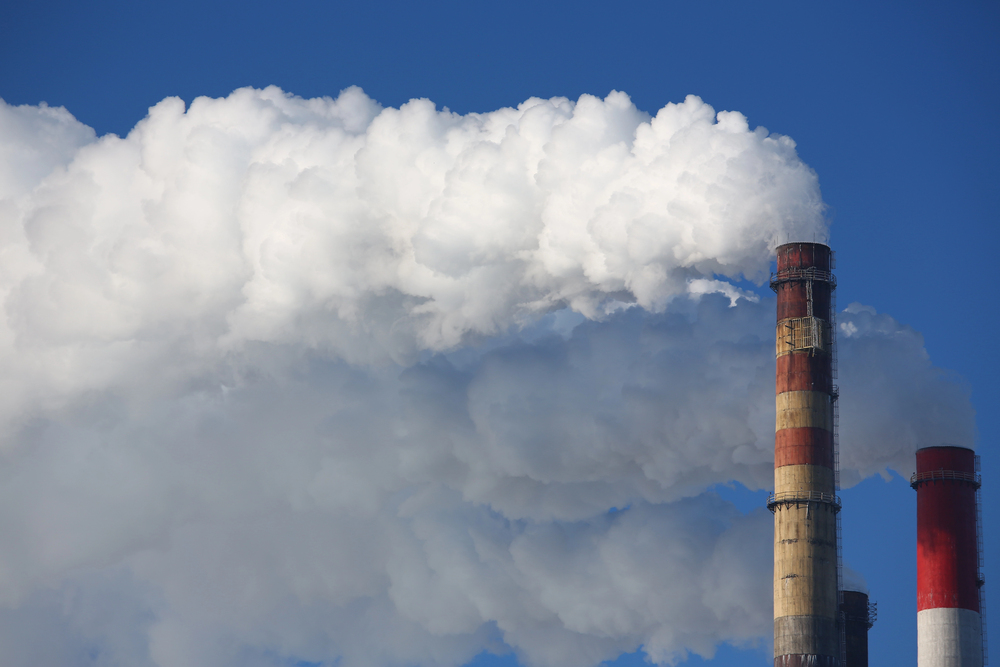
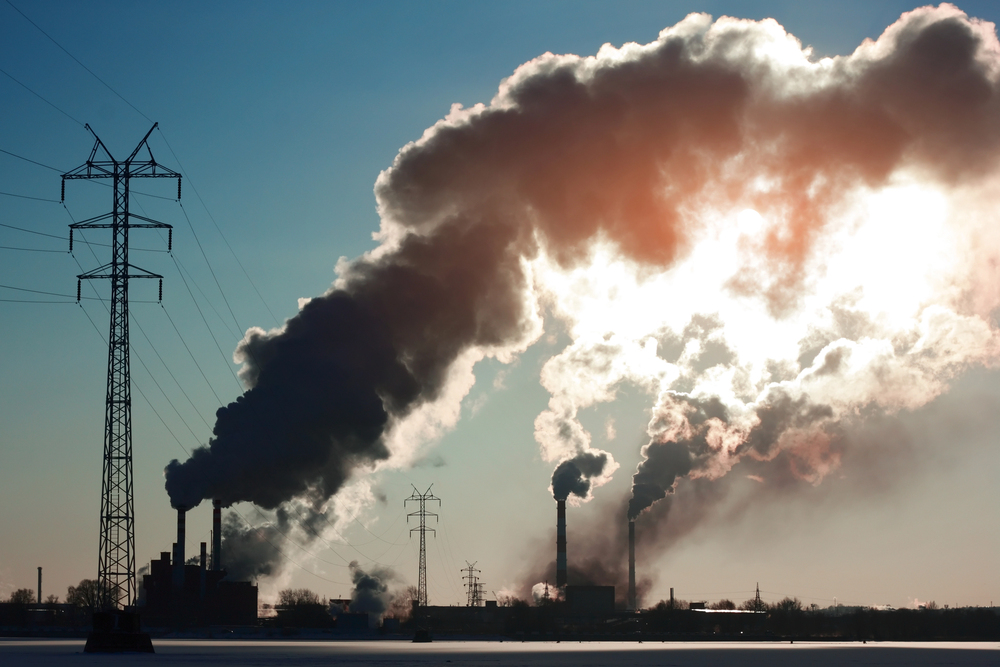
The DoD’s move toward incineration is a pragmatic response to this growing waste crisis, but it also means the kinetic risks mentioned are becoming a permanent fixture of the landscape. As the volume of waste increases, so does the pressure on the reinsurance market, which is already impacting capacity and rates for these exposures.
Navigating the transition from static to kinetic risk isn’t something most generalist carriers are equipped to handle. This is where a specialized environmental broker becomes a critical asset. A specialist understands the technical nuances of thermal destruction and can audit the entire chain of custody to ensure there are no gaps between the cleanup site and the incinerator.
Canaan Crouch is the EVP of environmental & energy practice at Jencap. A geologist turned insurance expert, he specializes in finding coverage solutions for hard-to-place environmental risks, including HAZMAT cleanup and industrial manufacturing.
Agency Management Solutions
Insurance Markets
This month’s issue

The September issue is out now!