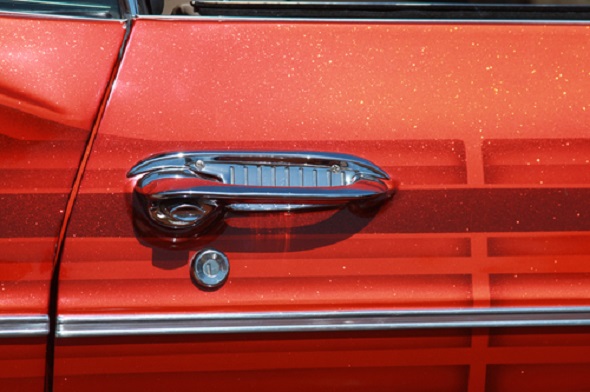
Classic Car Market: Younger Drivers Take the Wheel
With this generational shift comes new insurance exposures based on the kinds of cars Gen Xers and millennials are interested in—and how they use them.
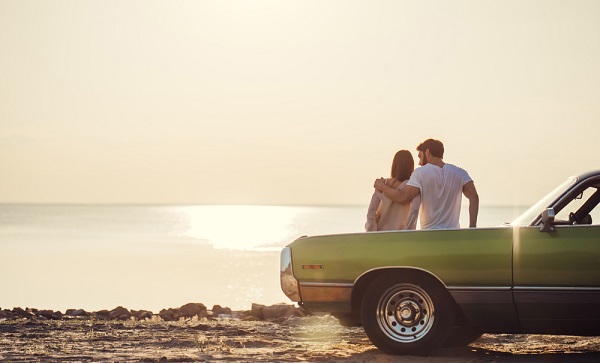

With this generational shift comes new insurance exposures based on the kinds of cars Gen Xers and millennials are interested in—and how they use them.
Independent agent Morgan Duffy has a “very positive outlook” for the future of the classic car insurance market. “People always complain that the millennial generation doesn’t want anything to do with collector cars,” he says. “But when I go to the trade
As driverless cars proliferate, will the U.S. auto insurance markets as we know them shift dramatically away from individual liability policies and toward product liability solutions? Not necessarily.

How can agents best keep up with trends in auto, and then convey that knowledge to their policyholders and prospects to sell coverage that fits into this new environment?
For several years, rates have been on the rise in both personal and commercial auto. As the U.S. auto insurance industry continues to transform, here’s how to hold on to your market share.

As autonomous vehicles infiltrate the streets, liability and underwriting questions emerge.

Between 2006 and 2016, the number of licensed drivers age 65 or older increased by 38% to 41.7 million.

An agent is told that “other than collision” coverage is named-peril, while “comprehensive” is all-risk. Is this accurate?
The improving economy comes with plenty of side effects, and if your agency sells specialty lines, one of them is that your clients have more money to invest in collectibles like classic cars.
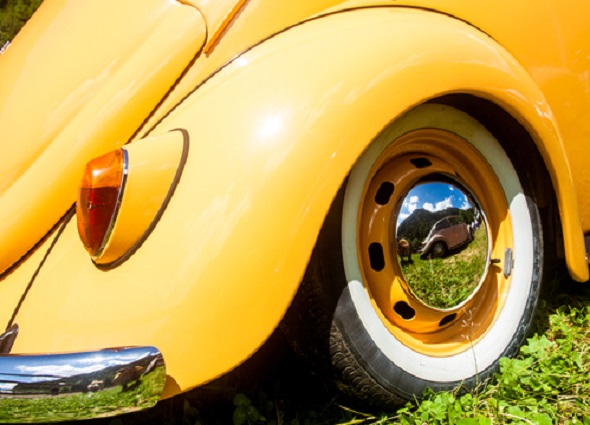
Why are classic car repair costs on the rise? In addition to a higher standard of care, the number of specialist mechanics is dwindling.