Risk Mitigation Technologies Are Becoming Essential in the Homeowners Market
Insurance agents who embrace risk mitigation technologies can strengthen underwriting, deliver value to customers and differentiate their service.
Heavy rain overwhelmed a French drain outside of a commercial insured’s building, which caused water to back up into the building. The carrier denied the claim because the drain was exterior.
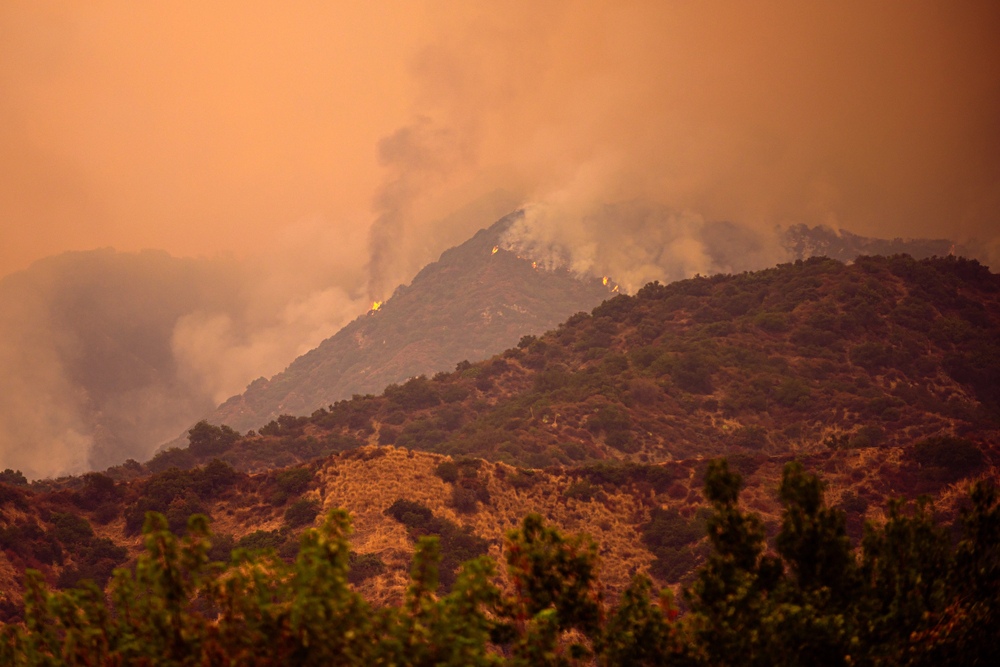
From hurricanes in the Southeast, wildfires in the West and severe convective storms in between, catastrophes are a defining feature of the current insurance landscape and are changing property insurance.
After a fire destroyed a golf course’s maintenance building, the carrier refused to cover the extra expense to convert another building into a maintenance building.
A prospect has a pollution policy in place but doesn’t know if it’s necessary. Its current general liability policy excludes products-completed operations coverage.
A manufacturer sold a division of the business. Is discontinued products liability necessary, or will the ongoing CGL cover the liability for the products manufactured and sold before the sale?
Homes at risk during the 2025 wildfire season represent a combined reconstruction cost value of $1.3 trillion.
A packing and crating company occasionally moves specialty items. Does its business auto policy exclude property damage to others in the process of loading or unloading?
Inaccurate coding can be a costly mistake. Here are the workers comp class codes that are most frequently reclassified by The National Council on Compensation Insurance (NCCI) and what to use instead.
A homeowner experienced a wind and hail claim to his roof and it was found that some of the decking was rotting. Local building code says rotting decking should be replaced.