Make Personal Lines Primary
By: Susan Hodges
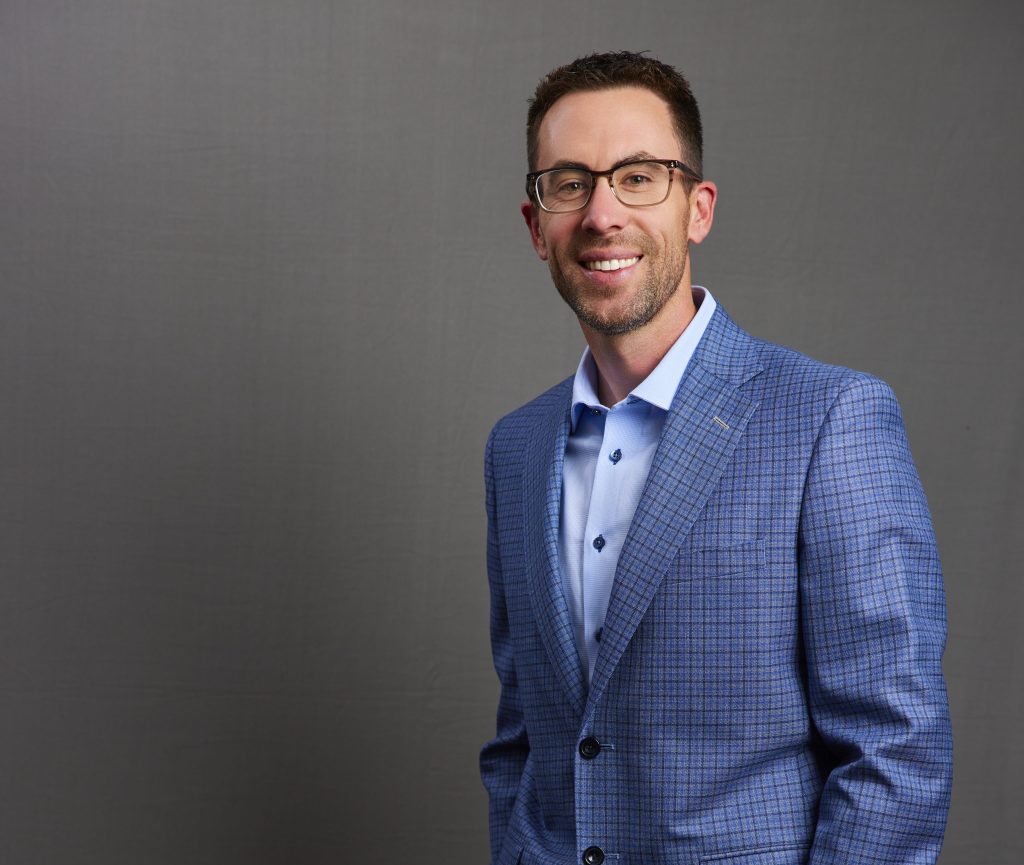
| Bo Govea makes a science of selling personal lines. Since starting Leawood, Kansas-based Community Insurance Consultants from scratch just three years ago, Govea has captured the home and auto business of many of Kansas City’s wealthiest residents. “Home and auto are 90% of our book,” he says. “We also insure the small businesses of a number of these individuals, and they appreciate it. But we started by writing their homes.” But don’t try stealing any of Govea’s customers. “If you quote against me, my customers will tell you that I shop their coverage for them,” Govea says. “They’ll tell you they know me and trust me and have no reason to buy from anyone else.” Focus on Efficiency While this strategy may sound familiar, it’s the discipline to keep the eye on the bottom line that makes the difference, according to agencies that are successful in focusing on personal lines. “We know our growth may take a little longer because we’re not writing large commercial accounts,” says Barb Eswein, operations manager at Community Insurance Consultants. “But we don’t ever want to pursue those accounts. Personal lines is our bread and butter. We have a great set-up and it’s a growing proposition.” Bill Vogedes, president of Vogedes Insurance Agency in Edenton and Kitty Hawk, N.C., says agents who want to do more in personal lines need to change their mindset. “I’d rather have 100 small accounts than one large account, because you can lose that big one—but you’ll never lose all 100 of the small ones,” he says. “It’s worth putting the time into them.” Vogedes began focusing on personal lines 15 years ago to capitalize on opportunities inherent to his location. “On the Outer Banks, everyone is pretty much in a flood zone,” he explains. “We’re also required to write a wind policy with a homeowners policy, and most people buy all three. That’s how we do it.” Personal lines is 66% of Vogedes’ business. Profit margins are small, but volume makes the difference. “A lot of the business we do is over the phone, and technology Vogedes Insurance grew 5% to 10% per year before the recession and is still growing, albeit more slowly. Even so, the agency recently hired a new producer to focus on personal lines. “We were writing a whole lot of policies before real estate died down,” Vogedes says. “When it picks back up again, we’ll be ready.” Connect Accounts and Cull Carriers Focusing on personal lines can be holistic, Lukens adds, ”because it allows agencies to knit their accounts together and keep the door open for getting lost commercial lines accounts back.” Lukens says many Best Practices agencies are ramping up their personal lines efforts by culling their markets and dedicating new producers. “Commissions have always been important,” she says, “but it’s become much more important for agencies to deal with carriers that make [selling personal lines] as easy as possible through real-time download and upload and consistent underwriting.” Agencies looking to grow and improve their personal lines business should “narrow their markets,” she says, “so they can provide the volume necessary for both sides to be profitable.” But switching or even adjusting an agency’s focus from one type of sales to another isn’t easy. Most agencies have invested heavily in commercial sales for years, hiring and training producers, joining trade associations and building relationships with carriers. Go For It All And currently, independent agents are on the losing end of that equation. Figures reported by the Insurance Information Institute (III) show that for 2009, the latest year for which data are available, independent agents wrote only about 30%, or $70 billion, of the $235 billion in annual U.S. personal lines sales. Direct writers and captives wrote the rest, translating to an average policy count, according to PLGA, of 5.2 per customer for captives, 4.3 per customer for direct writer companies, and 1.5 per customer for independent agents. The key is to ask clients if every aspect of their lives is insured. “McDonalds learned a long time ago to ask, ‘Would you like fries with that?’ and it works,” says Gilman. “Do they have a vacation home? Do they need an umbrella? You should be writing their umbrella, their jewelry, their boat and their beach house.” Gilman says agents should also ask about life insurance. “So many agencies have a life producer, but their other producers never ask their customers about it.” That strategy is already in place at Menath Insurance in Lake Tahoe, Nev. Personal lines is 50% of the agency’s business, and President Mike Menath says it “really held us up” during the recession. Four account managers are paid salary plus incentive to sell personal lines, and Menath says they are effective. “We don’t think we can make money on one-line home or auto, so we work really hard to cross-sell and get the policy count up,” he says. To do this, account managers ask the questions on their customer screen each time they talk to a client. On the screen is a script that functions as an account review. By asking if each piece of information is current, account managers identify changes in customer situations and potential needs for more coverage. “We also use a comparative rater and our own proposal system, so when we talk about a quote, we have the most professional presentation, whether it’s in person, via email or on the phone,” says Menath. “That’s much above what most direct writers can do.” It works. Menath Insurance sells multiple policies to most of its personal lines customers, and many aren’t even local. “A lot of people are here in the winter and gone the rest of the year,” Menath says. “We don’t see much of them, but we talk to them on the phone—and we usually get their personal lines in their other locations, too.” Menath says most of his competition comes from direct writers quoting lower rates. “But they don’t seem able to match us on value or coverage,” he says. “We try to be our customers’ personal lines advisors.” Hullin Richied Insurance Group, of Reno, Nev., takes a similar approach, and president and co-owner Paul Richied says he plans to sell more personal lines in 2012, and expects most of it to come from existing clients. “Personal lines is a great opportunity for independent agents right now; we have such a high closing ratio,” he says. “If you’re only selling on price, you won’t be able to save every client $400 or $500, and every once in a while, you’ll lose by that much. But it’s hard to be fired if you do a lot for clients; it’s possible, but it’s very hard.” Hodges (hodgeswrites@gmail.com) is an IA senior contributing writer. | Project CAP Offers Services to Take Back Personal Lines Project CAP, an initiative to help independent insurance agents gain greater visibility with online consumers, recently launched its agent digital marketing product offerings. Now available exclusively to member agencies of the Big “I,” the products include: • Self-directed insurance marketing programs offered in introductory (bronze), silver and gold levels; and • Full-service insurance marketing programs offered in platinum and diamond levels. Each of the digital marketing offerings includes elements of education, tools, content and services. Some agencies are adding these products to their existing marketing mix on a do-it-yourself basis. Other independent agencies are choosing offerings that give them hands-on assistance from Project CAP. Available products and prices are listed on the company’s website at www.projectcapmarketing.com. Project CAP products aim to help independent agencies and brokers build their online brands and visibility in order to attract and interact with today’s digital consumers. Project CAP programs are open to all member agencies of the Big “I,” regardless of the carriers they represent. Agents and brokers who want to participate in the forthcoming consumer personal lines insurance website, which is scheduled to be offered later in 2012, must sign up with Project CAP. Participation in the consumer website is included in the cost of membership for Big “I” members. For more information, visit Project CAP’s website or call 855-372-0070. —Tim McDonnell |
This month’s issue

The October issue is out now!