Help Personal Marine Clients Understand Exclusions and Warranties
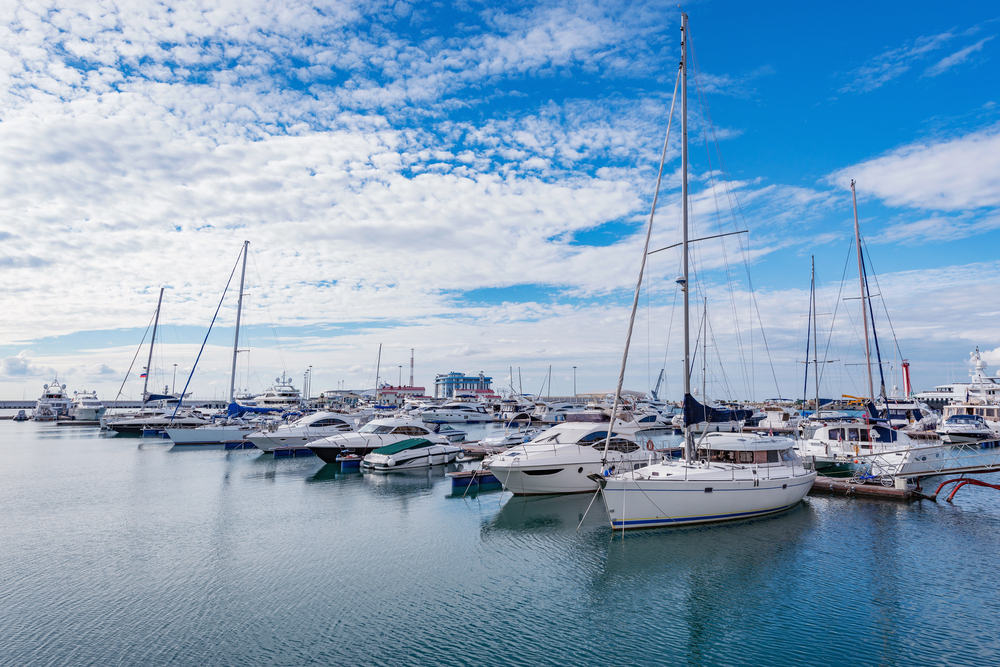
Personal marine coverage offers protection for major unexpected events for clients’ personal watercrafts, but it is not all-inclusive. For independent insurance agents, making sure clients clearly understand what is and isn’t covered can help prevent potential errors & omissions (E&O) claims against the agency, as well as reduce the likelihood of client dissatisfaction if a claim occurs.
“Especially with specialty products and recreational toys, it’s important for agents to have a conversation up-front about the ways customers use their vehicles and vessels,” says Anna Etherington, vice president, personal lines specialty product at Liberty Mutual. “Agents should walk through what is and isn’t included in a potential policy and explore customization options with the customer.”

What Are Your Goals for 2027?
“Many of those important exclusions and coverages are somewhat unique to watercraft policies, which makes proactive communication especially important,” says Rick Stern, boat product manager at Progressive. “We suspect that many of our customers may not read their declarations page, so it truly is up to their agent to make sure to clearly articulate the details of the policy to their customers so they fully understand coverages and exclusions.”
For agents to provide the most accurate information, they need to “fully understand all the nuances and details of the coverage options themselves,” Stern says. In such a niche market, the carrier-agent relationship is imperative to identify exclusions and warranties as they differ across carrier policies.
“We see a lot of exclusion claims for people who are outside of their navigation limits or from those who were supposed to lay up their vessel but didn’t, and then there’s a loss,” says Thomas Murphy, chief executive officer of Seafarer Marine Insurance. “Agents need to really understand these types of exclusions and warranties because, if they are not adhered to, policies will be voided and the company will just give the premium back as if coverage was never in force.”
Agents should also be aware of which market policies are issued in as “a lot of the surplus lines policies will have warranties that the insured is not always aware of, whether it be the need for two operators on board at one time, or if there’s a captain sign-off warranty,” says Noah Wheeler, senior broker, marine at Burns & Wilcox. “One notable warranty for admitted market policies is the need for a full-time captain.”
Further, agents should be aware of the location of personal watercrafts. In Southern states like Florida, snowbirds will enjoy their boats in the winter but leave them behind when they migrate north for the summer. As a result, “absentee owners is a big thing that can push a risk into the surplus lines market,” Wheeler says. “That leaves the boat more susceptible to a loss because no one’s there to take care of it in a storm.”
More on Marine
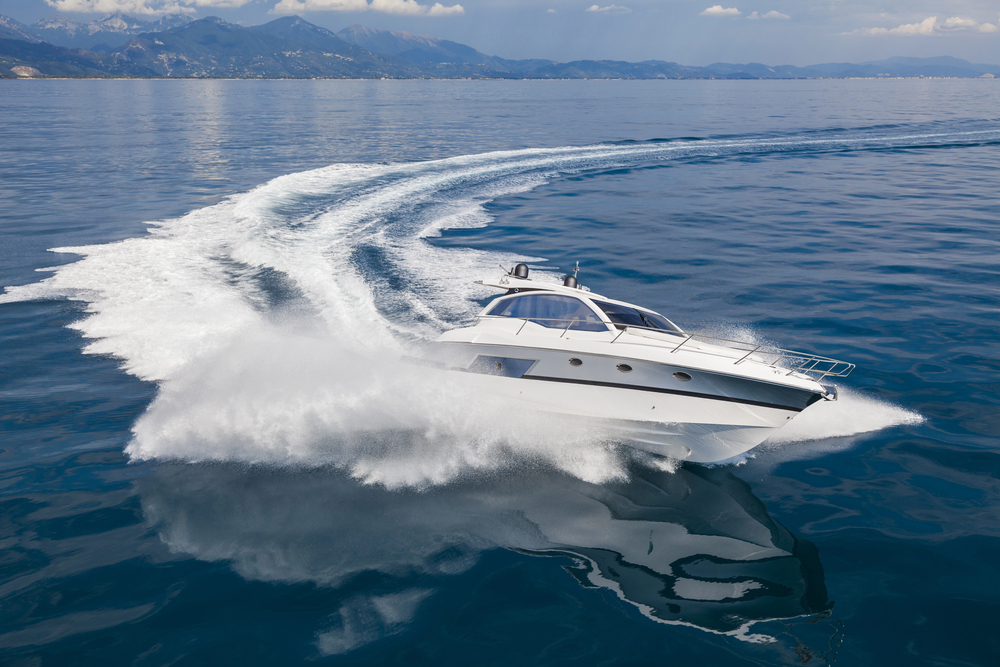


Agents who understand their clients and their lifestyles can add significant value. “If they like to travel and to take trips, make sure that the trips that they’re going to be taking are going to be covered up front,” Murphy says. “If they’re going to live on their vessel, if they’re going to charter their vessel, if they’re going to race their vessel, these are all things you want to know up front—not after you have based coverage somewhere only to find out that the carrier isn’t going to provide the coverage you need for that race or that charter.”
Additionally, “agents should have a good understanding of the profile of their local boating market and the types of vessels that are common to the area,” Etherington says. “When agents understand what’s on the water in their area, they become the go‑to experts, as customers know they can help protect their needs.”
Depending on the type of vessel, an alternative option for clients is to insure it through their homeowners policy. “The big issue is the gaps in coverage—that’s what the agent needs to be able to identify,” Murphy says.
With many homeowners policies, the marine coverage is provided under a separate policy, but with the same carrier. “As long as the agent is familiar with some of the coverage forms, like hull and protection &indemnity damage, and they’re comfortable reviewing a marine policy, it can work well,” Wheeler says.
Working with carriers, agents can create a mutually advantageous relationship for all parties. “Every carrier puts out newsletters and guides how to prepare for winter, how to store your boat and how to secure it if there’s a storm,” says Kaenan Hertz, chief insurance officer and co-founder of Ahoy! Insurance. “When agents are able to work with the insured to help them understand better risk management, that’s a win-win for the insured, the carrier and the agent.”
Olivia Overman is IA content editor.
Agency Management Solutions
Insurance Markets
This month’s issue

The October issue is out now!