Personal Marine: Capacity Returning as Underwriting Tightens and Weather Losses Mount
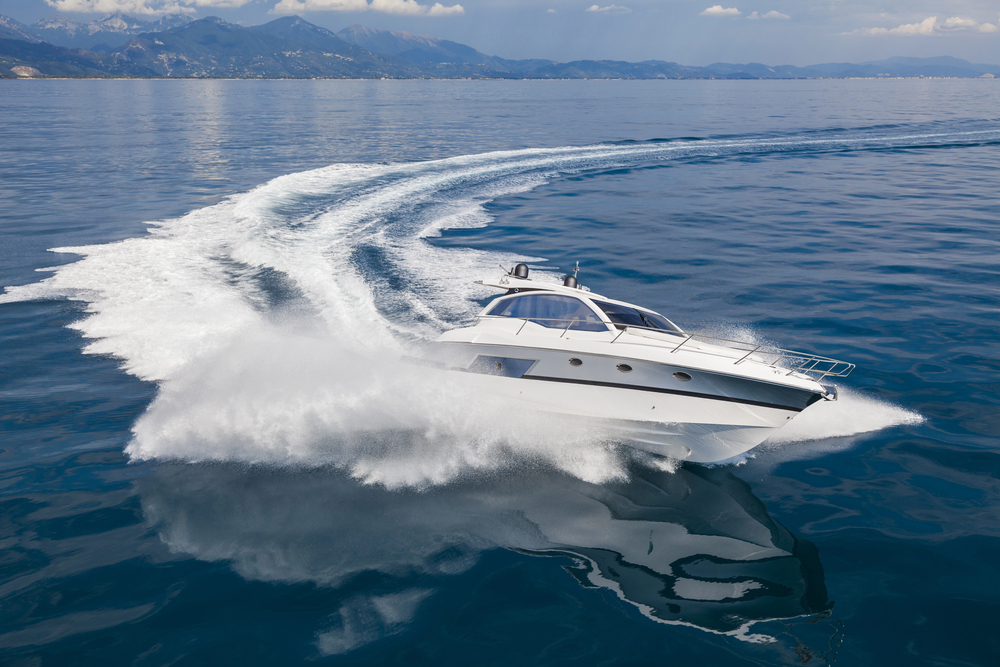
Recreational boating is a sizable economic engine in the U.S., but the insurance market that supports it is facing growing uncertainty. As economic pressures weigh on consumer demand and volatility reshapes risk, personal marine insurers and agents are navigating uneven capacity, shifting appetites and a more complex underwriting environment.
Economic headwinds, including inflation, tariffs, geopolitical uncertainty, waning consumer confidence and affordability concerns, are leading to a shift away from the significant growth the personal marine market has seen since 2020, when a wave of new boaters and first-time buyers entered the market, according to the National Marine Manufacturers Association (NMMA).

What Are Your Goals for 2027?
“Over the past few years, one of the biggest shifts in the personal marine market has been a decline in new boat sales, which have moved back toward pre-COVID levels,” says Rick Stern, boat product manager at Progressive. “With fewer new boats entering the space, that can put pressure on policy growth.”
New powerboat sales were down 10% in 2025, to levels not seen since the Great Recession, according to NMMA estimates. Across recreational boating segments, performance remained mixed but generally down, according to NMMA’s “Recreational Boating Industry Data Summary.”
Freshwater fishing boat sales, the industry’s largest segment, declined by 1.7%, while pontoon and saltwater fishing boats declined 13% and 8.6%, respectively. Cruiser and runabout sales dropped slightly and yacht sales declined modestly, outperforming several smaller segments, the report said.
Yet, the insurance market remains competitive. “Over the last year, capacity has shifted, with providers that were exiting the marketplace now back in it,” says Kaenan Hertz, chief insurance officer and co-founder of Ahoy! Insurance.
“Current carriers are increasing their appetite and increasing their capacity on things that they may not have looked at in the past or maybe weren’t interested in in the past,” agrees Thomas Murphy, chief executive officer of Seafarer Marine Insurance. “There’s also been a large influx of new managing general agents into the market as well, which is bringing more capacity into an already crowded marketplace.”
“I believe that the increase in capacity is one of the things that’s led to the soft market that we’re in now,” Murphy says.
Nevertheless, there are signs of challenges that could lead to a firmer marketplace where more conservative underwriting, selective rate increases and tighter coverage terms will persist.
“Much of the market firming can be tied to severe weather and rising replacement costs,” says Anna Etherington, vice president, personal lines specialty product at Liberty Mutual. “Weather-related losses, such as when a boat hits a dock during a storm or a hailstorm tears the cover off a pontoon boat, now make up a larger portion of watercraft claims.”
“Currently, there’s a tale of two markets with differences in offerings between the admitted market and the excess & surplus market,” Hertz says. “Within the excess & surplus market, we’re seeing tighter coverage language and more exclusions than what is seen in the admitted program, where everything has to be filed and approved. On the admitted side, we are seeing more underwriting-based changes, so what might have been accepted last year is not being accepted this year.”
What is notable is that “underwriters are paying the utmost attention to boat operator experience, even more so than they did in the past,” says Noah Wheeler, senior broker, marine at Burns & Wilcox. “Underwriters are looking for boat owners to have operated similar boats before upsizing—they don’t want to see any big jumps going from a 30-foot boat to a 45-foot boat.”
“From the customer’s standpoint, a big change has been greater [insurer] involvement and awareness,” Etherington says. “Policyholders are seeing more underwriting questions, clearer guardrails around coverage and a stronger need to actively review values, deductibles and usage assumptions to make sure their protection aligns with how they actually use their boats.”
While coverage continues to be available, conditions vary materially, with selective softening in lower-risk areas and firming rates for some coastal and high-value risks.
“Every carrier is trying to tighten up what’s required, especially if they are offering hurricane coverage,” Hertz says. “There were plenty of pictures of marinas with hundreds of boats impacted after Hurricane Helene hit Florida last year.”
As the market adjusts, agents play an important role in understanding the unique coverage options available for their clients. “Really getting to know your client and then working with a partner who will take the time to look at what your client needs, and then crafting the solutions is important,” Murphy says.
Agents who are well-informed about coverage trends and availability are “in a better position to find coverage options to fit the customer’s needs and budget,” Stern says. “That leads to better coverage decisions, fewer surprises at claim time and a stronger customer relationship overall, which can also produce word-of-mouth recommendations.”
Olivia Overman is IA content editor.
Agency Management Solutions
Insurance Markets
This month’s issue

The October issue is out now!