Washington State Regulator Seeks to Ban the Use of Credit Information, Again
Unless struck down by the state’s courts, the regulatory ban is scheduled to take effect on March 4 and will remain in place for at least three years.


Unless struck down by the state’s courts, the regulatory ban is scheduled to take effect on March 4 and will remain in place for at least three years.
As of press time, the U.S. Senate was expected to pass legislation that would fund the government through March 11, 2022, and extend the National Flood Insurance Program (NFIP) for the same period.

At the hearing, there was overwhelming bipartisan support for the Federal Crop Insurance Program (FCIP) and the critical role it plays in farm communities and food security.

The U.S. Senate is expected to take up the legislation in the coming days, which is needed to avoid a government shutdown and a lapse in the NFIP.

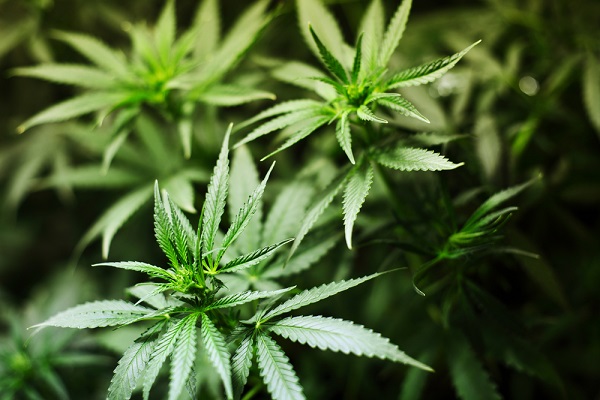
The legislation would prevent criminal prosecution and civil liability against agents and brokers who choose to engage with “cannabis-related legitimate businesses.”
The Big “I” is a strong supporter of a robust and reliable FCIP, which is designed to provide certainty for American farmers and communities.

In comments submitted to U.S. Department of the Treasury’s Financial Crimes Enforcement Network (FinCEN), the Big “I” objected to the definition of “operating presence at a physical office within the United States.”
The Big “I” will continue to advocate against the most harmful tax provisions of the package, including capping or eliminating the 20% small business deduction.
The U.S. Supreme Court was divided in both cases at a time of escalating coronavirus infections driven by the omicron variant.
InsurPac, the Big “I” political action committee, remains one of the largest small business PACs in the country and is credited with making the Big “I” one of the most well-respected lobbying associations on Capitol Hill.