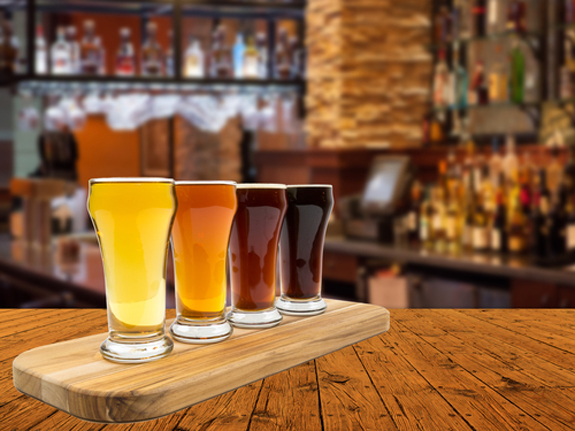
PAK Programs Adds Coverage for Brewpubs and Gastropubs
Coverage includes finished goods and beer aging in barrels that are valued at selling price.

Coverage includes finished goods and beer aging in barrels that are valued at selling price.
The rise in boutique alcohol producers, from microbreweries to distilleries and wineries, has presented increased risks and complexities in the liquor liability marketplace.
The hospitality industry has been forced to reinvent itself by embracing game-changing tactics including online ordering, curbside order pickup and to-go beer and cocktails.
Is assault and battery coverage on a liquor liability form and a commercial general liability form the same?
As wildfires continue to ravage many areas of the U.S., the winery insurance market is feeling the pressure. What can winery insureds do to make sure they’re as attractive a risk as possible?
It’s no longer enough to sell someone an affordable liquor liability policy—today’s insured wants more. Add value by sharing these risk management techniques.
Recently, many admitted liquor liability carriers have increased their appetites for higher-risk liquor establishments—and the result is an incredibly soft marketplace.
Understanding dram shop law in every state where you have a liquor liability client is crucial to succeeding in this market. But that’s not all it takes.
Nearly one-third of losses at bars, taverns and nightclubs arise from assault and battery claims. And thanks to various coverage restrictions on assault and battery, the line between liquor and general liability claims is not always clear.
Interested in insuring wineries, breweries and distilleries? Here are five new risks affecting the space—and what you can do to make sure your clients have adequate protection for them.