Turning Risk Data into Guidance for Homeowners
As homeowners insurance becomes more expensive and complex, agents can play a larger role in helping clients understand and manage risks.
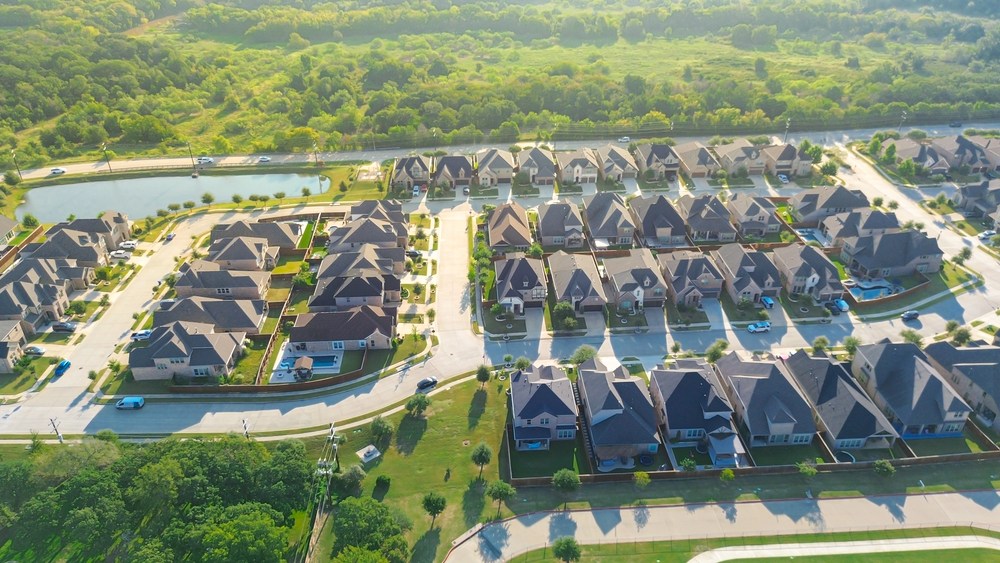

As homeowners insurance becomes more expensive and complex, agents can play a larger role in helping clients understand and manage risks.
July brought the news that the property & casualty industry’s 2025 underwriting results were the strongest in a decade.

The solution enables carriers to proactively deliver renewal quotes directly within Applied Epic before agencies begin the remarketing process.

By spending less time on administrative work, independent agents can dedicate more energy to supporting clients and strengthening relationships.

June highlighted 10 young agents making their mark on the insurance industry. And the Big ‘I’ 2026 Market Share Report shows that, despite market headwinds, the independent agency channel is holding strong.

Personal auto insurance telematics promises accurate pricing, safer roads and personalized policies, but adoption still lags. Here’s how to bridge the gap.

May brought news of moderating pressures in the long-suffering personal lines space, with early signs that increases in reconstruction costs and personal auto premium hikes may be beginning to slow.

Transparency regarding data protection practices will remain a key factor in the adoption of telematics-driven insurance policies.

Here are three practical ways agents can use AI for promotion without feeling overwhelmed or losing control.

The agencies that have adopted artificial intelligence (AI) successfully didn’t start with a big rollout; they started with a conversation with their staff first, then with their clients.