Severe Convective Storms Lead Concerns for Insurers
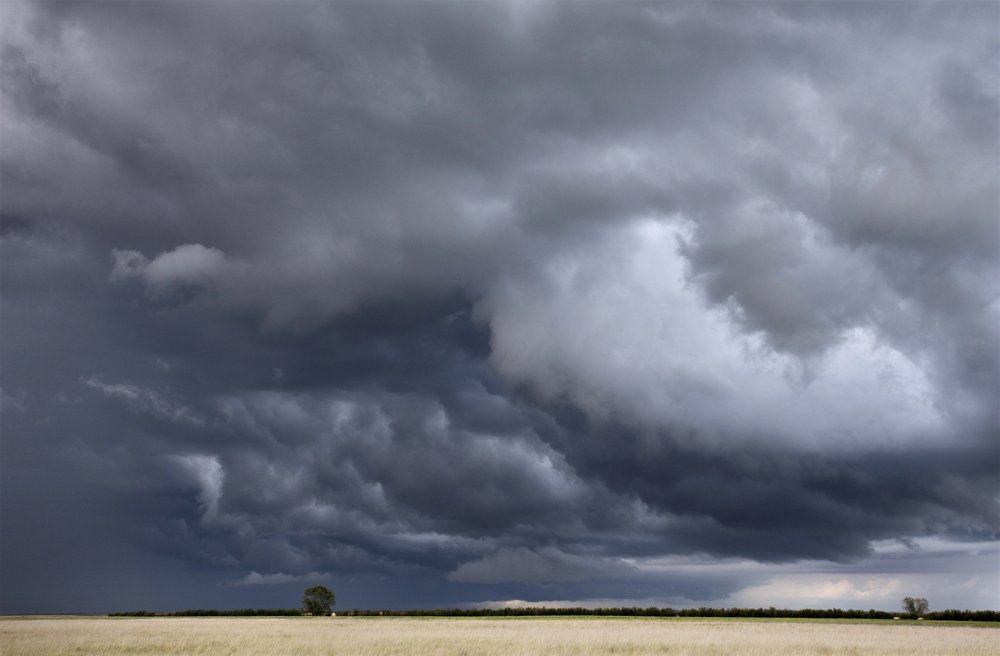
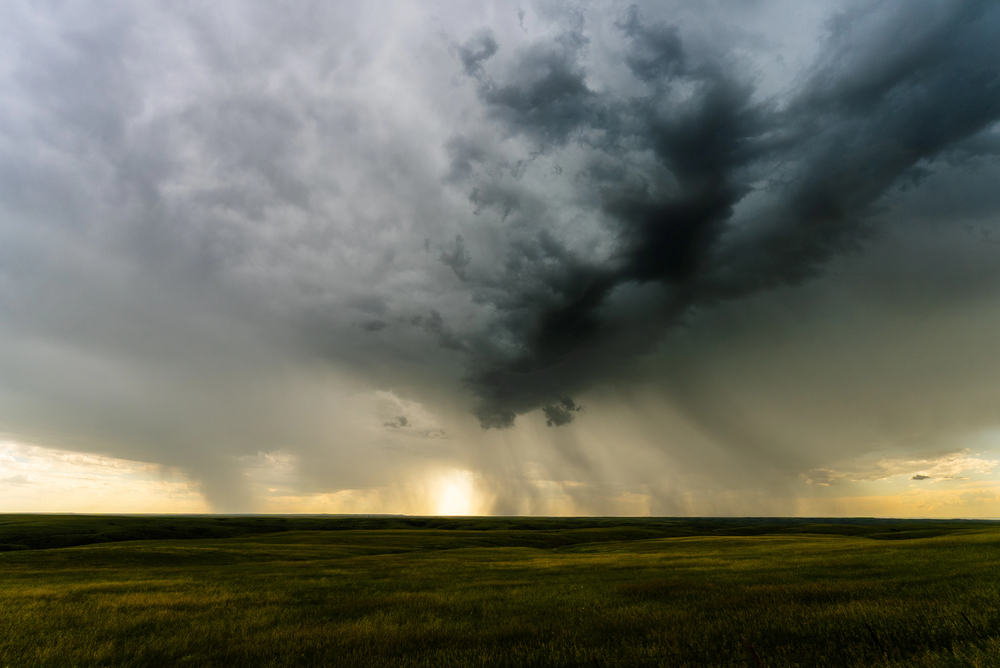
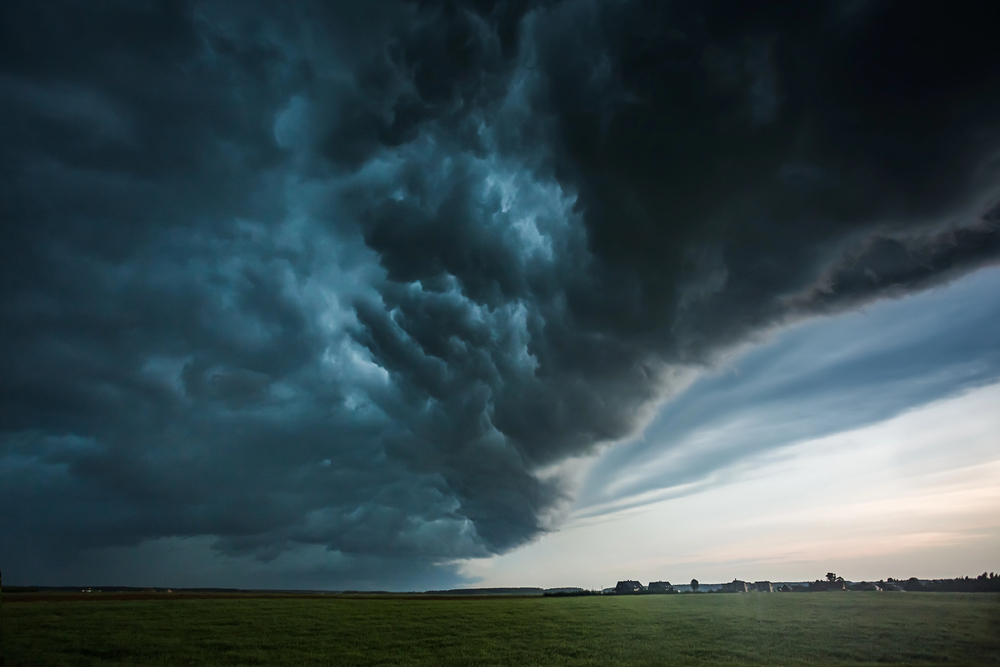
The vast majority of insurance company executives view severe convective storms (SCS) as the leading threat to their balance sheets, according to a Demex survey.
Insurance agents who embrace risk mitigation technologies can strengthen underwriting, deliver value to customers and differentiate their service.
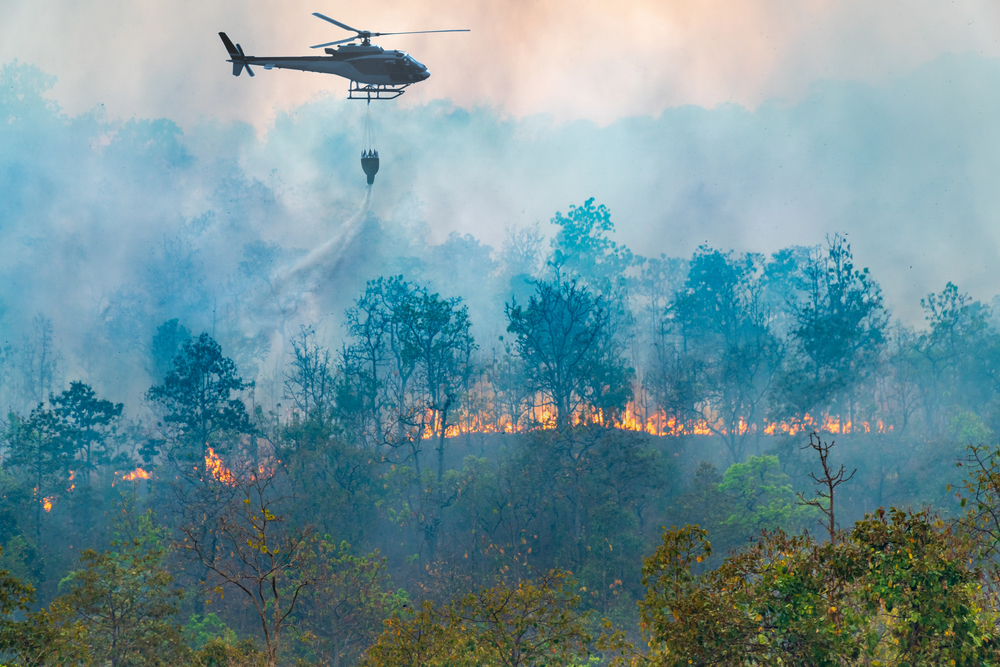
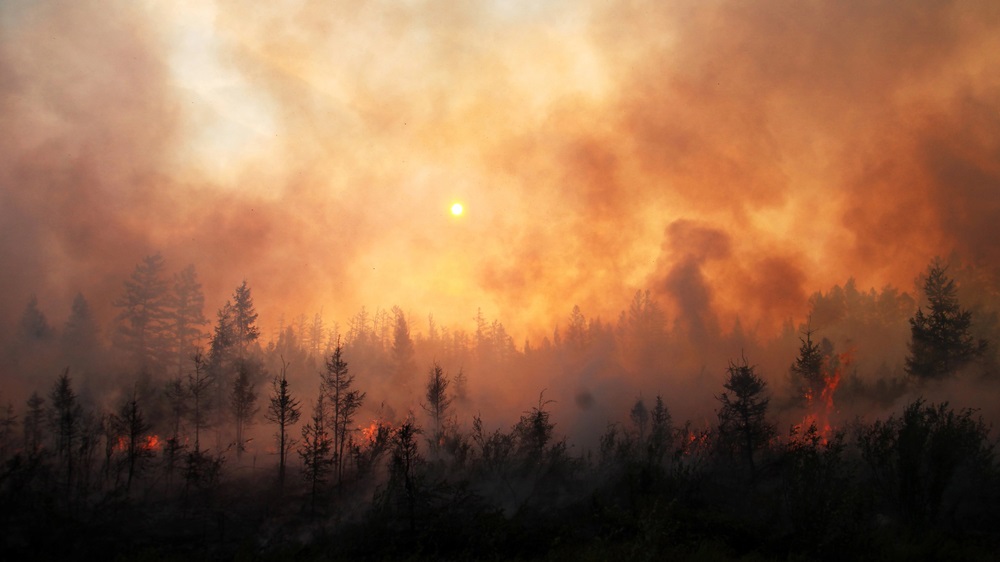
From hurricanes in the Southeast, wildfires in the West and severe convective storms in between, catastrophes are a defining feature of the current insurance landscape and are changing property insurance.
Homes at risk during the 2025 wildfire season represent a combined reconstruction cost value of $1.3 trillion.
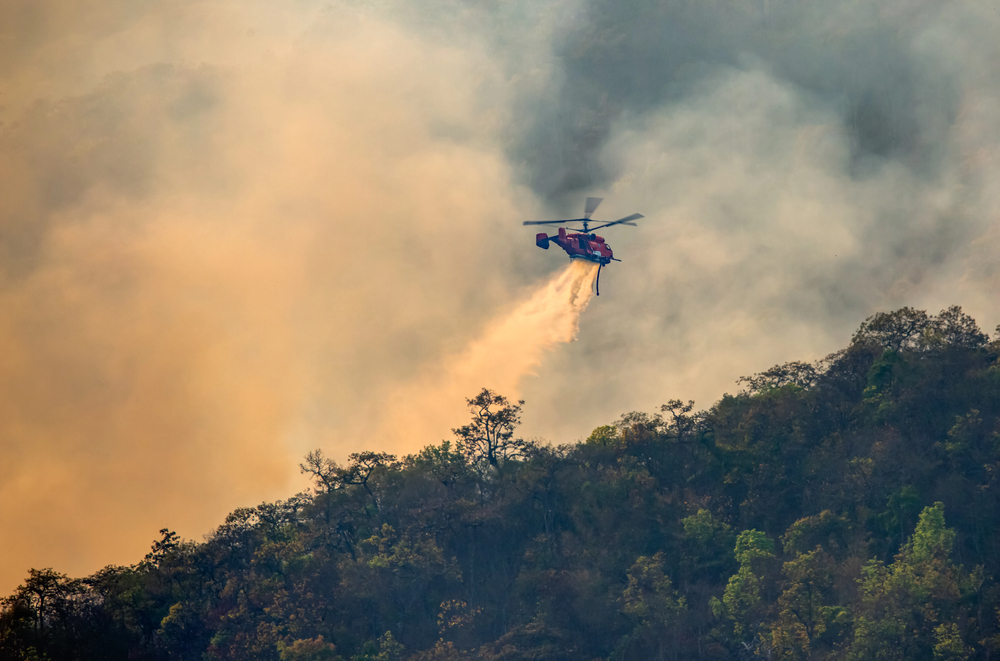
With ongoing wildfires in the West and an above-average Atlantic hurricane season predicted, it’s essential for independent insurance agents to educate clients on how their policies can cover evacuation-related expenses.
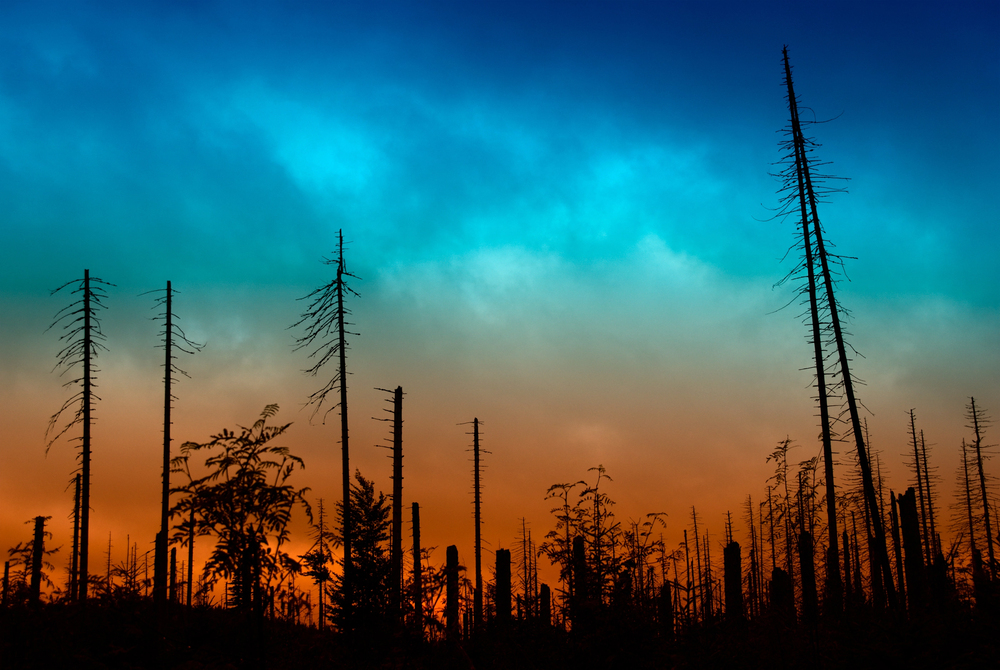
Wildfires are reshaping the way homeowners, insurers and independent insurance agents approach property protection—and the need for adaptation is urgent.
2024 saw the second-highest amount of tornadoes on record and 2025 is predicted to continue above-average activity. One weekend alone in mid-May caused $9 billion-$11 billion in damage.
To keep premiums affordable, homeowners carriers are excluding coverage for what used to be standard covered perils. Cosmetic hail damage is one of those coverages that is increasingly becoming excluded.
Hurricanes Helene and Milton made it clear that hurricanes, storms and floods can happen anywhere and anytime and are not limited to the coast.
Following a brief lull in tropical activity in the wake of Hurricane Ernesto, the conditions are now primed for a series of back-to-back storms over the next few weeks in the Atlantic.