Neptune Flood Raises Building Coverage Limits and Expands Options
Neptune increased building coverage limits to $15 million across primary and excess flood policies and added enhanced protections for residential, commercial and condo policies.
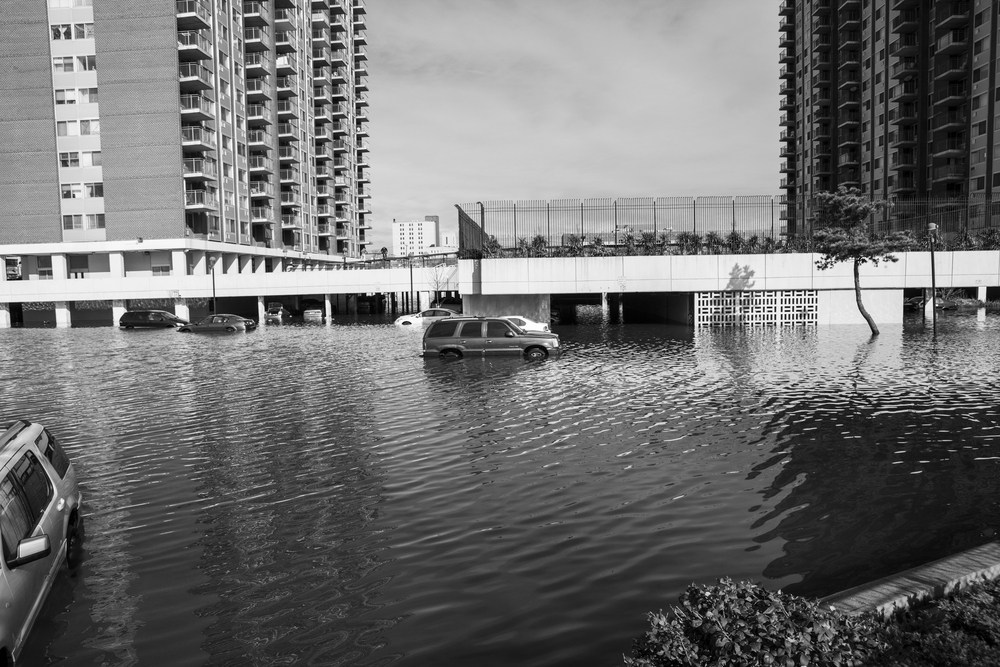

Neptune increased building coverage limits to $15 million across primary and excess flood policies and added enhanced protections for residential, commercial and condo policies.
When insuring data centers, agents need to address the risks tied to both the physical facility and the technology systems, as exposures often extend across both cyber and technology errors & omissions coverage.

An insured’s fence was damaged by wind and the carrier denied the building and personal property coverage claim. However, an endorsement adds coverage for appurtenant buildings or structures.

An agency frequently insures rental properties where the ownership structure is not straightforward. How much guidance should the agent give on how the named insureds should be listed?

What can begin as a relatively small issue on a roof can rapidly escalate into a costly property loss and prolonged business interruption for property owners.

Commercial lines markets may be stabilizing, but agents who use this period to reset and prepare will be best positioned for what’s ahead.

Local catastrophes caused intense regional volatility, according to Verisk, but overall lower claim volume contributed to the property & casualty industry’s strong first-quarter results.

Parametric insurance has been around for many years, but with increased data granularity and availability, these special policies are now widely available to fill coverage gaps under admitted policies.

A restaurant owner rents a building and has a tenant’s policy for contents and liability. A furnace caught fire and the owner says the tenant is responsible for the damage.

Along with precise building valuations, Construction, Occupancy, Protection, and Exposure (COPE) forms the backbone of any commercial property risk assessment.