Flood Risk Moves Inland: How Agents Can Expand the Flood Coverage Conversation
As hurricane season begins, many insurance advisors are spending more time having flood conversations with homeowners living outside traditional coastal markets.
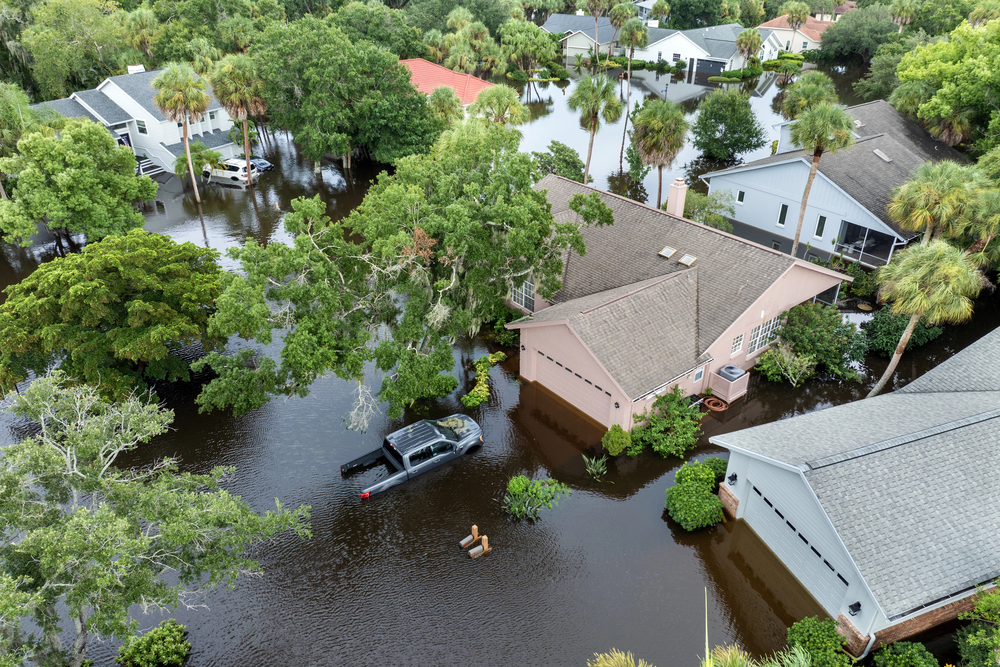

As hurricane season begins, many insurance advisors are spending more time having flood conversations with homeowners living outside traditional coastal markets.
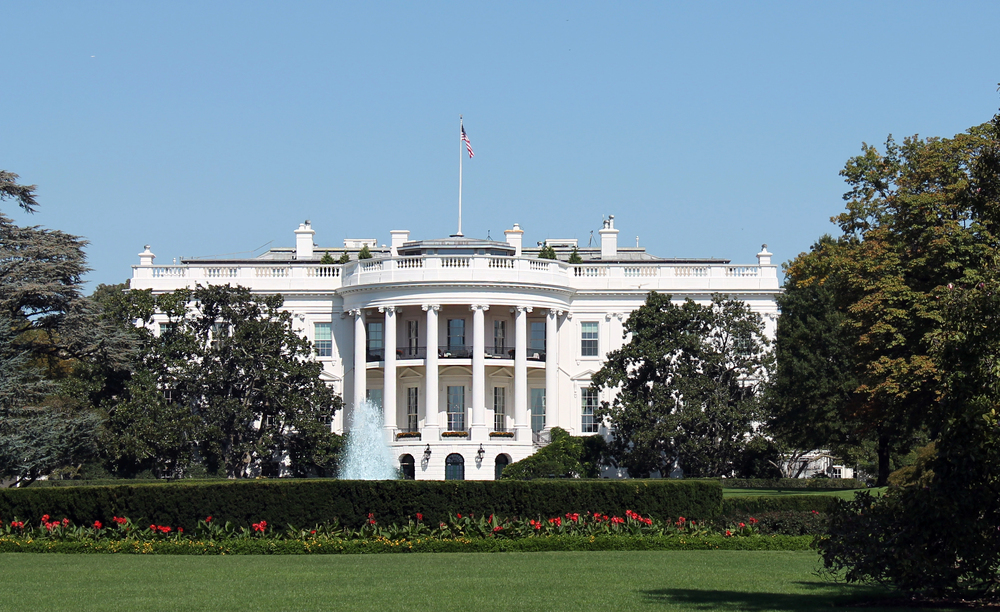
The 75-page report presents a comprehensive set of recommendations for overhauling the federal government’s approach to disaster preparedness, response and recovery.
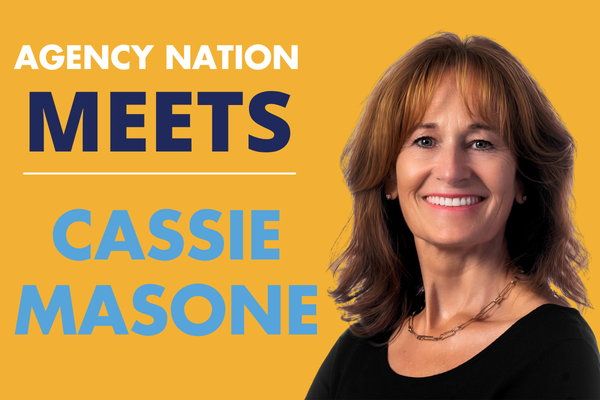
Cassie Masone is the vice president of Selective Insurance Company of America’s flood insurance operation. She has been in this role for over 14 years and is responsible for the flood line of business, including underwriting, claims, customer support and external sales.
Even routine seasonal changes can create meaningful exposure in non-flood zones, making proactive education and coverage reviews key in the spring months.

By tailoring flood coverage to a client’s actual risk and financial exposure, agents ensure they have the protection they need without the unnecessary costs.

As flood risk becomes more complex and less tied to traditional flood maps, agents play a key role in helping customers understand their real exposure.
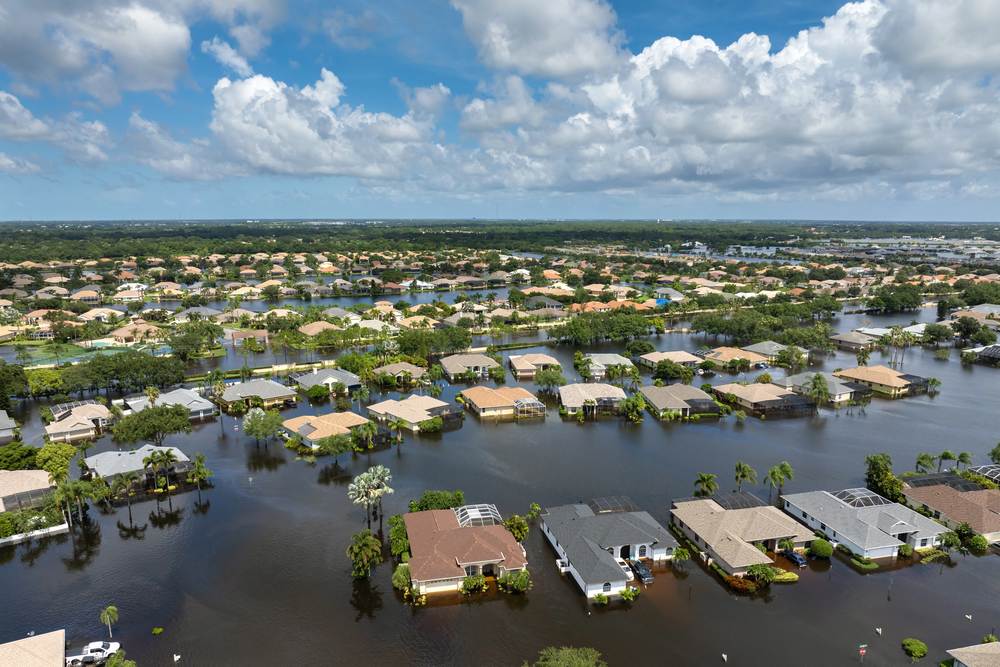
The product covers any economic losses resulting from fluvial, pluvial and coastal flooding, and offers rapid payouts triggered by pre‑set conditions.

From hurricanes in the Southeast, wildfires in the West and severe convective storms in between, catastrophes are a defining feature of the current insurance landscape and are changing property insurance.
Nearly 85% of single-family homes at risk of flooding in the U.S. carry insufficient coverage, leaving households vulnerable to thousands of dollars in out-of-pocket costs, according to Neptune Flood.

The endorsement is designed for homes outside historical high-risk flood zones and provides coverage for damage from flood waters or surface waters.