Midterm Election Results Bring Challenges and Opportunities to the Independent Agency System
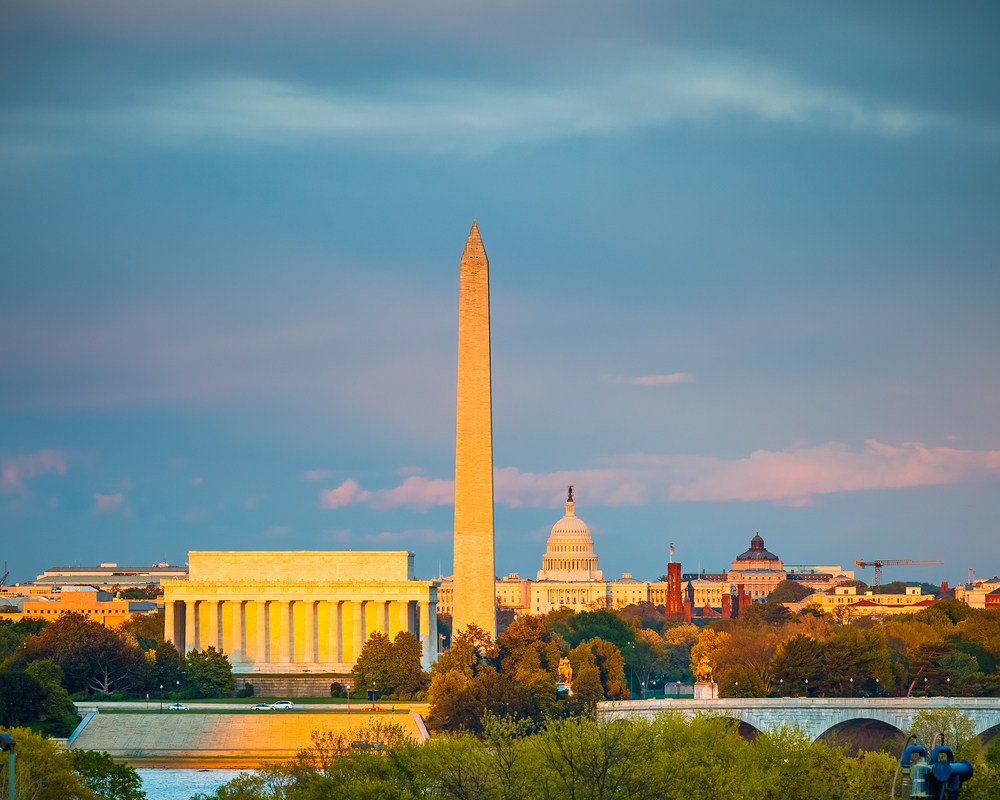
The American electorate delivered a decisive message on Nov. 3, ushering in a significant shift in political power in Washington, D.C., and state capitals across the country. For independent insurance agents and brokers, the election results will reshape the legislative landscape in 2027 and beyond, creating new opportunities for bipartisan cooperation while presenting challenges on several important industry priorities.
Democrats captured control of both the U.S. House of Representatives and U.S. Senate in a historic and sweeping midterm election that exceeded most political expectations. With a projected majority that could reach 260 House seats and 56 Senate seats, Democrats will enter the 120th Congress with substantial governing majorities.
Democratic control of Congress does not guarantee enactment of the party’s legislative agenda. Most legislation will still require 60 votes to advance in the Senate, and President Trump retains veto authority. These institutional checks make bipartisan negotiations essential, even with substantial Democratic majorities.

The Evolving Market Toolkit
Fortunately, many of the Big “I”’s most important federal priorities have historically enjoyed strong bipartisan support.
For example, the National Flood Insurance Program, Terrorism Risk Insurance Program and Federal Crop Insurance Program are all essential components of the nation’s insurance marketplace, garnering support from both parties. Each helps make coverage available for risks that might otherwise be difficult or impossible to insure through private markets alone.
Disaster mitigation presents another significant opportunity for bipartisan cooperation. As hurricanes, wildfires, severe convective storms and other catastrophes place increasing pressure on insurance markets, policymakers from both parties have an interest in reducing future losses.
The Big “I” will continue to support increased federal and state disaster mitigation grants, and stronger building-resilience legislation, such as the Fix Our Forests Act, which seeks to reduce wildfire risks through improved forest management.
Federal efforts targeting staged auto accidents and organized insurance fraud could attract bipartisan support, particularly as lawmakers focus on addressing the affordability concerns that helped shape the election.
While opportunities exist, the change in congressional control also creates challenges for several Big “I” priorities.
Legal system reform may face a more difficult path under Democratic leadership. The Big “I” has supported efforts to address abusive litigation practices and increase transparency surrounding third-party litigation funding (TPLF), while cracking down on favorable tax treatment for funders. Although these issues may receive less attention in the new Congress, the Big “I” will continue advocating for reforms that promote fairness, transparency and affordability.
Another important area will be protecting the small-business tax reforms Congress enacted in 2025. These provisions provide meaningful benefits to independent insurance agencies, many of which operate as pass-through businesses, as well as their employees.
Incoming Democratic leaders have expressed interest in revisiting portions of the 2025 tax law. The Big “I” will work to protect provisions that help independent agencies invest in their businesses, hire employees and remain competitive.
More from The Hill
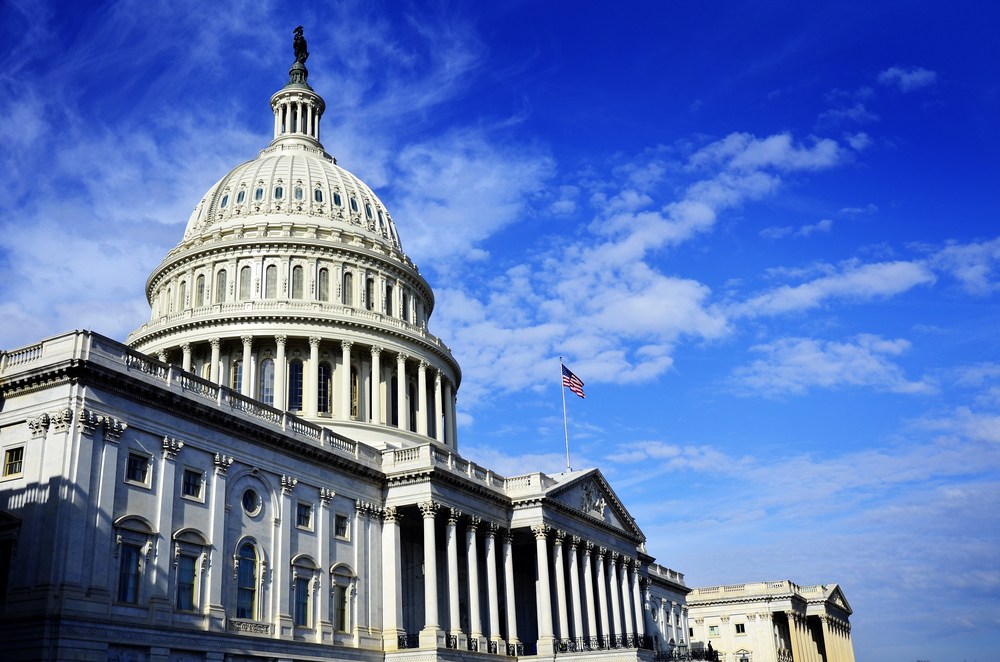
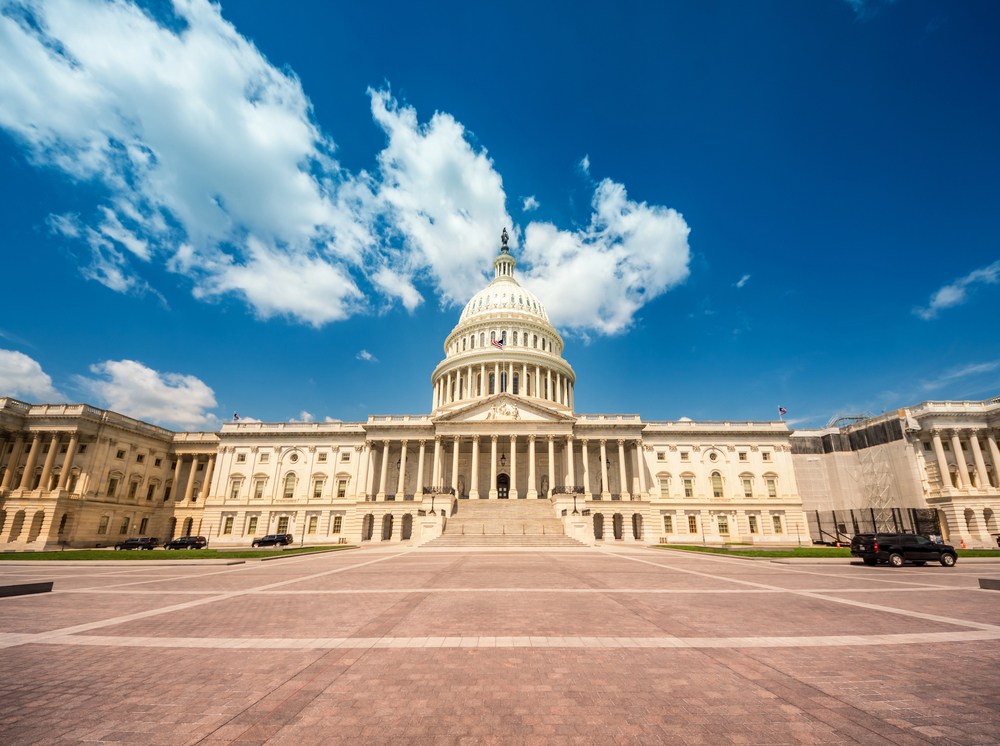

Healthcare will also receive substantial congressional attention and was a hot topic on the campaign trail since costs have skyrocketed. Democrats are expected to prioritize extending enhanced Affordable Care Act premium subsidies, and some lawmakers have already pledged to introduce legislation calling for Medicare for All.
The Big “I” will continue advocating for policies that preserve consumer choice and employer-sponsored insurance, protect the role of licensed agents and brokers, and ensure appropriate compensation for the important services they provide to individuals, families and Medicare beneficiaries.
The election also produced significant changes at the state level, where Democrats flipped five governorships and made substantial gains in state legislatures. While some results are still being finalized, Democrats have flipped at least 12 legislative chambers across nine states. At the same time, no chambers flipped to Republican control, underscoring the breadth of the political shift.
For the insurance industry, particularly significant changes occurred in Texas, Georgia, North Carolina, Pennsylvania and Wisconsin, where new legislative majorities could affect insurance regulation, tort reform, litigation funding and affordability legislation.
Four states elected new insurance commissioners, with Democrats winning in California and Georgia and Republicans prevailing in Kansas and Oklahoma. The elections could shift regulatory priorities, particularly in California and Georgia, as policymakers confront insurance affordability and availability challenges.
New governors will also have opportunities to appoint insurance commissioners in states where those positions are not elected, potentially bringing changes in regulatory priorities and approaches. Big “I” state associations will play an essential role in working with these new policymakers and commissioners to advocate for the independent agency system and industry priorities.
As the new Congress and state legislatures prepare to take office, the Big “I” will remain focused on practical, bipartisan solutions that address the underlying drivers of insurance costs, strengthen insurance markets and protect the independent agency distribution system.
Nathan Riedel is Big “I” senior vice president of federal government affairs.
News Types
Agency Management Solutions
Big I Programs
This month’s issue

The November issue is out now!