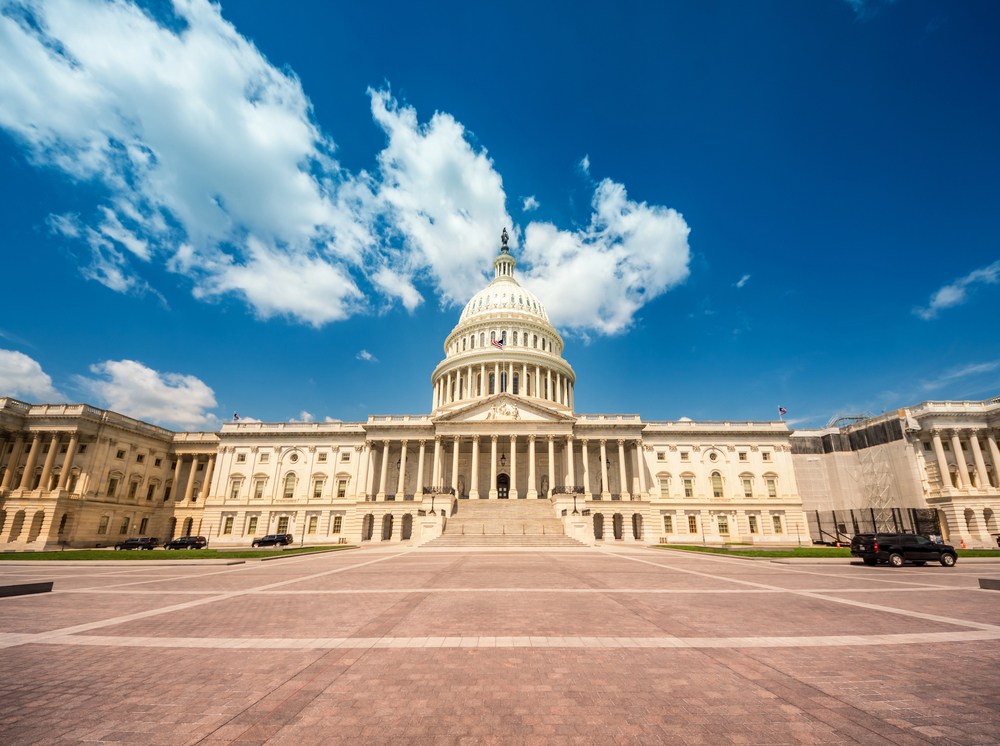
APCIA Annual Meeting 2026: Affordability, AI and Legal System Abuse

By Dave Evans
The American Property Casualty Insurance Association (APCIA) hosted its annual meeting in Boston Nov. 1-3. With election day concluding on the final day of the meeting, politics and the potential implications of the midterm elections took center stage.
Among presentations and discussions in the hallways, two themes dominated. First, the cost of living as reflected in the affordability of food, lodging, education and healthcare. Second, artificial intelligence (AI), its regulation and the impact it is having on the insurance industry, from underwriting and claims through distribution.
David Bell, APCIA board chair and president and CEO of ALPS Property & Casualty Insurance Company, shared his perspective on the industry’s state of affairs. He discussed the ongoing challenges of social inflation and the legislative need for transparency, equitable taxation, and reasonable attorney conduct in third-party litigation funding.

The Evolving Market Toolkit
The “Midterm Election Outlook and Impact” panelists were David Axelrod, former chief strategist and senior advisor to former President Barack Obama; Karl Rove, former senior advisor and deputy chief of staff for former President George W. Bush; and David Sampson CEO of APCIA.
Rove pointed out that polling indicates that economic issues were more important in this midterm elected compared to other midterms. Axelrod agreed with Rove that an important election data point will be who actually turned out to vote on Tuesday. Axelrod stated that the size of the majority in the U.S. House of Representatives matters because if it is too narrow, factions in each party can wield outsized impact to put forth their agenda.
Davd Sampson, APCIA CEO, voiced his concern that there has been institutional damage done to the relationship between the president, judiciary and Congress. He hoped it could be repaired, but noted that was unlikely in the near term.
Regarding the issue of AI regulation, the panel predicted there will be minimal regulation at the federal level, thus leaving the states to regulate AI activity. Data centers are a related polarizing issue—so much so that even Texas has instituted statewide guidelines for prospective data centers.
More on AI


The reinsurance panel, moderated by Tracey Lewis, Reinsurance Association of America president and CEO, provided insights into the current state of reinsurance. While all panelists agreed that property reinsurance pricing remains soft, casualty still has its challenges due to social inflation and nuclear verdicts.
Kerri Hamm, executive vice president of Munich Re U.S., stressed how interconnected these risks are. She cited data centers as representative of the intersection of property, cyber and AI risk and liability. Hamm explained that because cyberattacks are increasing in severity and frequency and cyber coverage is not compulsory, underinsurance is significant. Companies need to ascertain their cyber exposure and ensure that appropriate controls are in place.
Against the backdrop of election day, Kristen Soltis Anderson, a political pollster and commentator, provided insights into how different cohort groups respond to different forms of messaging. She began by saying that the affordability issue is a major concern for U.S. consumers. She highlighted how, particularly among younger Americans, there is a high degree of distrust of large corporations, but the sentiment even holds for older cohort groups.

Agent Toolkit: Combat Legal System Abuse
Her message to companies—and a relevant one for independent agents—is to make sure you understand your customer’s values and that your actions align with your values. One way to build trust in the insurance space is to focus on “safety as a trust-building asset,” she said.
The conference closed with an insurance commissioner’s viewpoint. Louisiana Commissioner of Insurance Tim Temple said that when it comes to legal system abuse, the insurance industry needs to explain to consumers how it is a cost-driver raising everyone’s insurance premiums. He added that it is important to quantify the cost, particularly in the effort to educate state legislators as they address constituents’ affordability concerns.
The challenge remains to educate the public and legislators about the perverse impact of legal system abuse, which drives social inflation and heightens the affordability issue many Americans are grappling with daily.
Dave Evans is a senior associate with insurance marketing firm Aartrijk, based in Fairfax, Virginia.
News Types
Agency Management Solutions
Insurance Markets
This month’s issue

The November issue is out now!