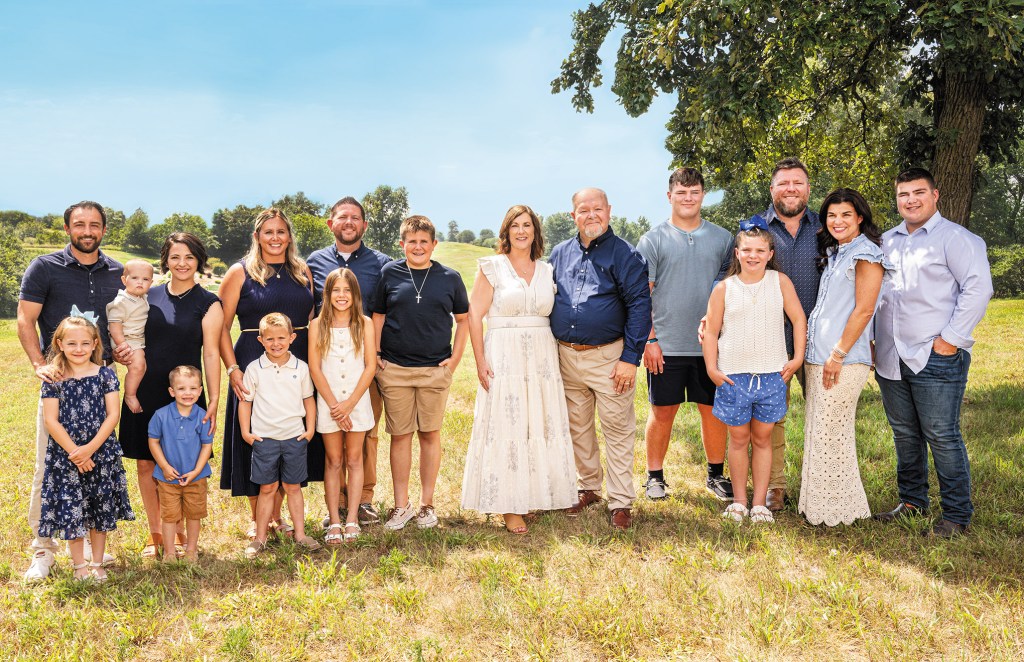


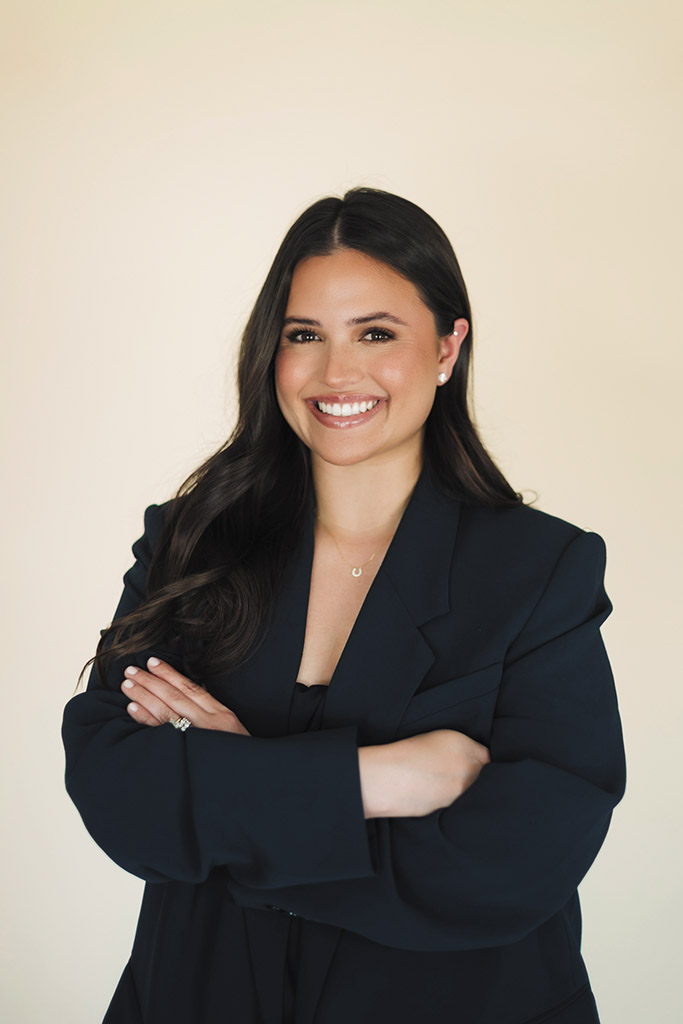
Sydney Schwing-Smith (pictured) didn’t set out to build a career in insurance. She enrolled at Louisiana State University to pursue dental hygiene. Even when she switched her major to finance and accounting, insurance still wasn’t part of the plan. But after graduation, an opening at her family’s independent agency changed everything.
“What started as something temporary became my long-term career,” Schwing-Smith says. “It ended up being the best thing that ever happened to me.”
That unexpected beginning has led to a demanding, hands-on role. Now a producer and commercial account manager, Schwing-Smith handles her entire commercial book—end-to-end. She balances production and service responsibilities while overseeing accounts in oil and gas, municipalities and nonprofits.

As she settled into the work, one aspect of the industry stood out—and surprised her—more than anything else. It wasn’t the technical side, but how community and relationship-driven the work is. “This industry is built on trust,” she says. “Not just with clients, but with carriers and broker partners, too.”
Those relationships were tested early in her career when South Louisiana faced back-to-back hurricanes. She was new, inexperienced and handling claims in rapid succession.
“It was baptism by fire,” she says. “You either learned fast or you fell behind.”
That experience helped shape how she approaches her work today and created a sense of meaning, purpose and, most importantly, belonging, both in the insurance industry and as part of the family business.
“I’m proud to be the first of the fourth generation to work at Schwing Insurance—and the first woman in our family’s history to join the agency,” she says. “What started as a desire to experience the same kind of partnership my father and grandfather had quickly turned into something much bigger. Working alongside my father has been one of the most meaningful experiences of my life, and through that journey I discovered that insurance is truly where I’m meant to be.”
“I’ve also been really lucky to have my husband in my corner through all of this—he’s been my biggest supporter,” she adds.
Outside the agency, Schwing-Smith serves as vice chair of the Louisiana Young Agents. She says involvement with peers her own age has accelerated her growth as much as learning inside the office.
“Learning from other young agents has been one of the most important parts of my development,” she says. “I don’t think I’d be where I am today without that community.”
Every day, young agents are making their mark on the insurance industry. What brought them here? What makes them tick? And why are they sticking around? Learn what these next generation of agents has to say about where the industry is headed—and how they fit into it.
What TV show are you streaming? “Survivor.” I’m completely obsessed.
Favorite place to work when you’re not in the office? My parents’ backyard. They live on the bayou in South Louisiana, and it’s incredibly peaceful.
What is your role at the agency?
I work in commercial lines as both a producer and an account manager. Right now, I’m the only person handling commercial lines, which has been challenging but rewarding. As more family members join the agency, that responsibility will start to balance out.
Advice for someone considering a career in insurance?
Experience matters more than anything. Licensing exams are just the starting point. Growth comes from asking questions, being open to learning and stepping into situations that may feel uncomfortable at first. Success in this industry depends on curiosity, adaptability and relationships.
Opportunities for independent agents?
Technology will continue to create efficiency, but relationships will remain the foundation of the independent agency system. Encouraging more young professionals to enter the industry will also be critical, especially as many locally owned agencies transition ownership. Staying flexible and informed will separate successful agents from the rest.
Finding your calling in insurance?
Helping people protect what matters most to them and building lasting relationships with our clients has made this industry not just a career for me, but a true calling. Looking back, what began as a way to honor my family’s legacy has grown into something deeply personal—purpose discovered through experience, if you will—and I feel incredibly fortunate that it ultimately led me to the profession I’m passionate about today.
What industries do you primarily serve?
Historically, we’ve been very oil-and-gas focused, which is still a major part of our book. Because that market can be volatile, we’ve had to diversify. I’ve enjoyed expanding into municipalities and nonprofits while keeping oil and gas as a core specialty. Diversification has been important to protect the long-term health of the agency.
What surprised you most once you started working in insurance?
The industry is far more relationship-driven than people realize. Technical knowledge matters, but relationships with clients, carriers and brokers are what sustain an agency over time. That became especially clear early in my career during consecutive hurricanes in South Louisiana, when claims activity increased dramatically and everything moved at once.
How do you approach technology and AI in your work?
Technology is best used as a support tool. We use it primarily to improve workflows, organization and efficiency, especially behind the scenes. In a small community like ours, personal relationships still drive business, so technology enhances our work but does not replace human interaction.

Favorite way to spend a weekend? Escape to the beach with my wife and two kids.
Sports teams? Eagles and Phillies.
How did you get your start in insurance?
I went to school to keep playing football and earned a business degree because I knew I wanted to be an entrepreneur. About a month before graduation, I was recruited by a carrier and started as a captive agent with Federated Insurance.
They put me through about nine months of classroom training. Over five years, I worked in sales and then two midlevel management roles. That experience was invaluable, but being captive was limiting.
Building an agency?
We’re just over three years in. At the end of 2025, we surpassed $3 million in premium. About 92% of that is commercial lines, which reflects my background. Right now, it’s me, an account manager and a virtual assistant. Our primary niche is construction. I’m the son of an electrician, and my two older brothers are electricians, so I grew up around that world. It’s a natural fit.
What’s next for your agency?
We have premium and revenue goals, but everything starts with continuing to add value for clients. That means developing better tools, analytics and risk management resources for the industries we serve. We’ll continue to grow, add producers and support staff, but the focus remains the same: doing right by our clients, especially those who don’t get the attention they deserve from larger agencies.
Work-life balance?
That was the primary reason I started an independent agency. Technology has changed everything. Between automation, CRMs, agency management systems and virtual assistants, it’s possible to grow a business, hire employees and still be present with your family.
I’m not saying I never work at night. I’m often on my computer in the evening. But I can drop my daughters off at school, pick them up and still run and grow the agency. I don’t know many other industries that offer that combination.
Biggest challenge for young agents?
The complexity of the market. Insurance is complicated at a base level, and then you add cyber risk, AI, evolving policy forms and hard market cycles—that’s a lot to put on a 25-year-old entering the industry.
The key is accepting that you’ll never know everything, staying well-read, keeping up with industry trends and, most importantly, building relationships with other agency owners. Once I stopped viewing everyone as a competitor and started leaning on peers with more experience, it changed everything.
Succeeding in sales?
Sell in a way that fits who you are. Often, younger people are forced to sell like previous generations, knocking on doors or cold calling, even if that’s not their strength, but if you’re great on social media, lean into that. If email is your strength, use it. Find what you’re comfortable with, stick with it and be patient. Nothing happens overnight, no matter the method.
Building credibility as a younger agent?
Knowledge overcomes everything. I use a football analogy. I wasn’t the biggest player on the field, but if you know where you’re supposed to be and where the other guy will be, you have an advantage. In insurance, it doesn’t matter if you look young or old. If you can communicate your knowledge and provide valuable insight, people will take you seriously.

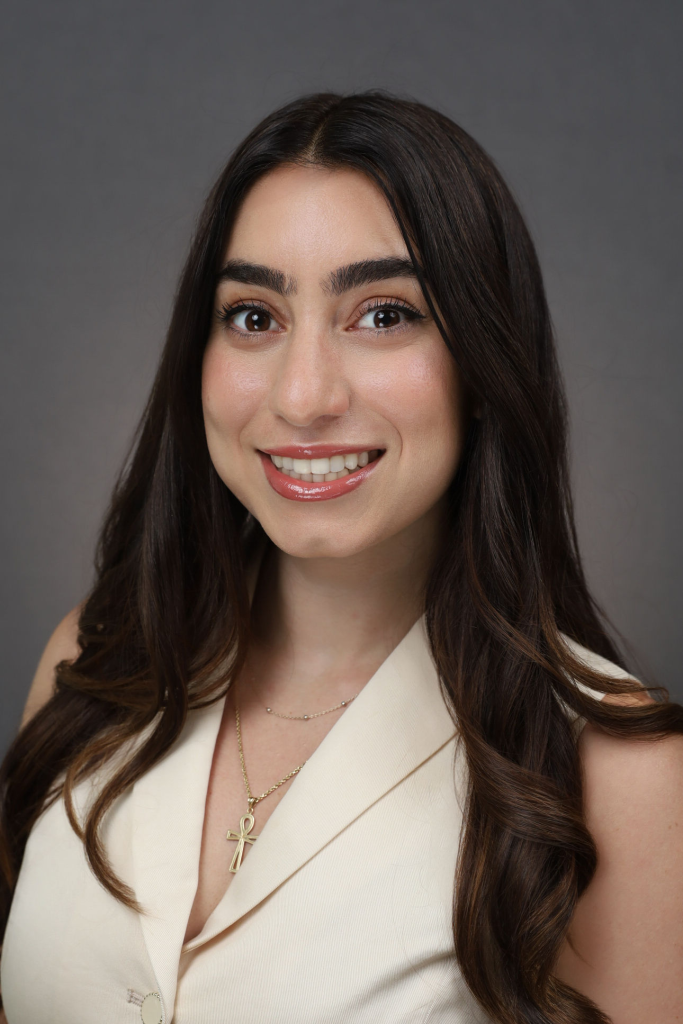
Hidden talent? Traditional Greek dance.
Ideal weekend? Anything near the water helps me reset and recharge—whether that’s being on a boat, a relaxing beach day or any kind of water activity.
How did you get into the insurance industry?
Insurance has always been a part of my life since it is truly our family business. Both my parents have been in the industry since I was born, and I jokingly say my first word was “deductible.”
Beyond that, I have always enjoyed working with people and building relationships. Being in a career that allows me to help clients while also supporting and growing a team is what really motivated me. Having a career that’s so relationship-driven really drew me in.
What surprised you most about insurance?
When people think of insurance, they often think it’s purely transactional. You pay for coverage and hope you never need it. But at our family agency, especially in Sarasota, long-term relationships drive the business. Our biggest differentiator is that we’re not a 1-800 number. We’re a local agency. We understand the Florida market because we live here, we work in it every day, and we’ve lived through it all.
Working in a family agency?
I feel incredibly thankful. I know that working with family is not for everybody, but working with my mom has been an amazing experience. We share the same strong vision for the agency and where we want to take it. We also complement each other well. She’s very detail-oriented and loves educating clients, especially when it comes to flood insurance. We actually call her the “flood queen” because she is passionate about flood insurance and the importance of it.
Biggest challenge for young agents?
Standing out in such an oversaturated digital marketplace. There’s so much noise. Consumers are bombarded with online direct writers, comparison tools, misleading mailers and social media ads telling them they’re paying too much.
For young agents, the key challenge is establishing trust and credibility early on. We have to demonstrate that we truly understand the coverage and that we’re reliable advisors that can guide our clients, not just order-takers.
Challenges in the Florida marketplace?
We’re finally starting to enter a softer market. New carriers and reciprocals are coming into play, which is encouraging. That said, Florida’s biggest ongoing challenge is hurricane season, which starts June 1. And one major issue we see is that many homeowners don’t realize flood insurance isn’t included in their homeowners policy.
At our agency, we automatically present a flood quote with every homeowners quote. It’s part of our standard process. Education is critical here, especially in a market like ours.
How are you utilizing technology?
A big focus for us has been automation and process improvement to enhance the client experience. One major change has been transforming our renewal process. Instead of waiting for clients to call us, we proactively reach out 45 days before renewal. We send automated emails and texts, followed by a personal call from our team.
We let clients know their renewal is coming, review coverage and shop it if needed. That proactive approach has helped build trust and retain clients. A lot of people leave agents simply because they never hear from them, and technology helps make sure that doesn’t happen.
A mentor who influenced your career?
Both my mom and my dad. My dad has been in the industry for over two decades. They’ve instilled strong values in me, especially around integrity, transparency and work ethic. I always tell clients that I would never sell them a policy I wouldn’t sell to my own family, and I mean that. Reputation and trust matter, especially in a local community.

Broker
Jaffe Insurance Agency
Napa, California
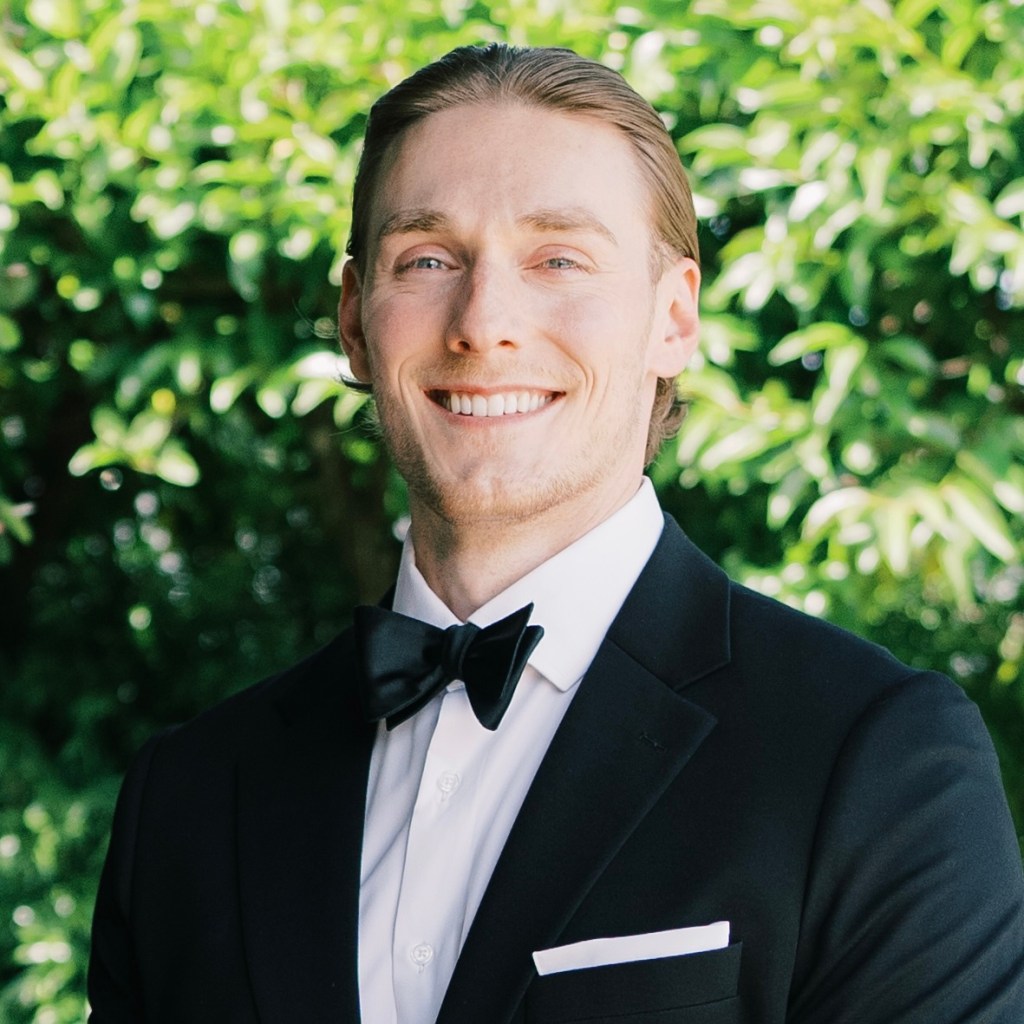
Favorite way to spend a weekend? Unplugging from devices and getting outside, hiking, gardening in my backyard, playing guitar and taking walks with my wife and our golden retriever.
Favorite book? “Atomic Habits” by James Clear.
Biggest challenge for young agents?
The complexity of the industry. When I started around 2016, quoting a policy was straightforward. Today, there’s a lot more front-end and back-end work. You’re essentially pre-underwriting risks before submission and then managing follow-ups, inspections, underwriting requests and renewals at volumes that are much higher than they used to be.
Advice from a mentor?
My biggest mentor is my father-in-law, Gary. The best advice he gave me was to be myself. He always told me not to try to sell like someone else, but to lean into my natural ability to connect with people.
Unique challenges to California?
Many carriers have pulled back from the California market or introduced very strict underwriting guidelines. That pushes more risks into nonadmitted markets, especially for risks like multifamily properties and commercial buildings.
Explaining nonadmitted coverage can be difficult. Some clients take it personally and assume there’s something wrong with their property. A lot of education is required to help them understand that it’s a market issue, not an individual one.
Advice for other agents?
Focus on education and relationships. I take the time to explain the process to clients, so they understand why all that due diligence matters. Not everyone wants to go through that, but in my experience, it leads to stronger relationships and better results.
Path into insurance?
Out of high school, I was focused on football or the military. I earned a full-ride football scholarship to the University of Nevada, Reno, where I played as an offensive tackle.
After a few injuries, I realized football probably wasn’t a long-term path. My girlfriend at the time, who’s now my wife, comes from an insurance family. Her dad owns the agency I work at now. Seeing him still actively working and meeting with clients well into his 70s really opened my eyes. I couldn’t play football at that age, but I could still build a career in insurance.
What surprised you about insurance?
How often it shows up in everyday life. Whether it’s a family barbecue, a networking event or even my own wedding, people find out you’re in insurance and immediately start asking questions about their policies. I didn’t expect it, but I’ve really come to enjoy it because I’m a people person. Everyone needs insurance and being someone people trust for advice is genuinely rewarding.
Working in a multigenerational workplace?
One of the biggest lessons I’ve taken from older generations is the importance of trust and rapport. Today, you can write a policy without ever speaking to someone on the phone, but relationships still matter. Learning how business was done before everything became digital reinforced that insurance isn’t about pushing policies, it’s about helping people protect what matters most.
How does technology fit into your day-to-day?
Technology plays a huge role. I view it as something that enhances what we do, not something that replaces us. AI tools help with repetitive, time-consuming tasks like spreadsheets or data organization, freeing me up to focus on relationships and coverage analysis.
It’s important not to rely on technology blindly. You still need to review and validate everything. But when used correctly, it allows independent agents to do more without burning out.
What habit has helped you most in your career?
Being highly responsive. People want to feel heard. Even if I don’t have the answer right away, I let clients know I’m working on it. That alone builds trust. Many of my referrals come from clients who appreciate responsiveness and communication.
Marketing and Recruiting Specialist
The Arizona Group
Mesa, Arizona
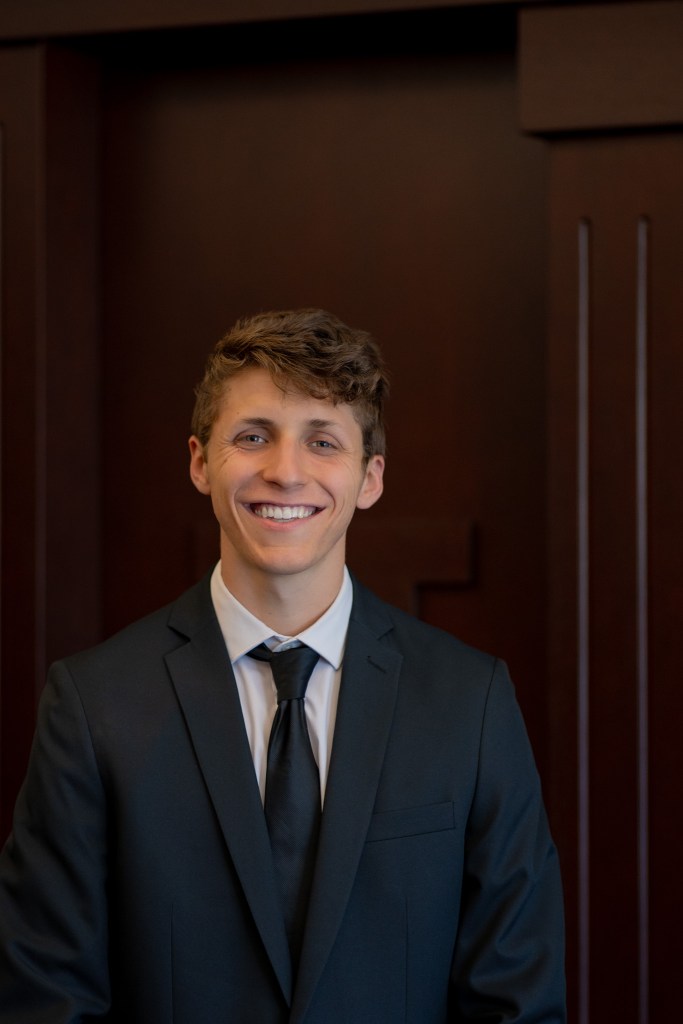
What’s your dream vacation? A long trip through Italy.
Favorite ice cream flavor? Cookie dough ice cream is undefeated.
How did you get into insurance?
I was at a career fair and was encouraged by someone from the CPCU Society to stop by the Arizona Group’s booth. I went into that conversation saying I wasn’t interested in sales or insurance and was looking for something in marketing or human resources. As I talked more with the team, it became clear there were opportunities on the marketing and people side of the business.
What surprised you about insurance?
The level of service that goes into every account. I thought insurance was mostly call centers, I had no idea how hands-on and relationship-driven independent agencies are. Another surprise was how interconnected the industry is. Even though our agency has around 70 employees, through carrier partners and associations, it feels like a much larger community.
Why get involved in industry organizations?
Your network is an incredibly powerful resource. From a recruiting standpoint, building trust with other professionals has helped improve our time to hire through referrals. It’s also helped me build my personal brand early in my career.
The biggest challenge for young agents?
The commoditization of insurance. Consumers expect instant service and instant savings. That mindset shows up everywhere in advertising and technology. The real challenge for agents is communicating the value of service, education and risk management.
How does technology shape how you work?
I’m very open to it, especially when it helps improve speed and organization. AI can be a great editor and creative partner, whether I’m drafting marketing content or building recruiting templates. It always requires oversight and judgment, but used properly, technology allows me to work smarter, not just faster. It frees up time to focus on relationships.
Has anyone played a key mentoring role for you?
Miguel Martinez has been a huge mentor for me. He supported me early on and taught me a lot about recruiting. He helped build my confidence and encouraged me to get involved in industry groups, even when I was hesitant. That support made a significant impact on my growth and comfort in this industry.
Biggest opportunities for independent agents?
Automation, AI and new tools will allow account managers to spend less time on technical processing and more time building relationships. The opportunity is shifting toward truly being relationship managers who understand clients’ businesses and personal needs. That’s where independent agents will continue to differentiate themselves.
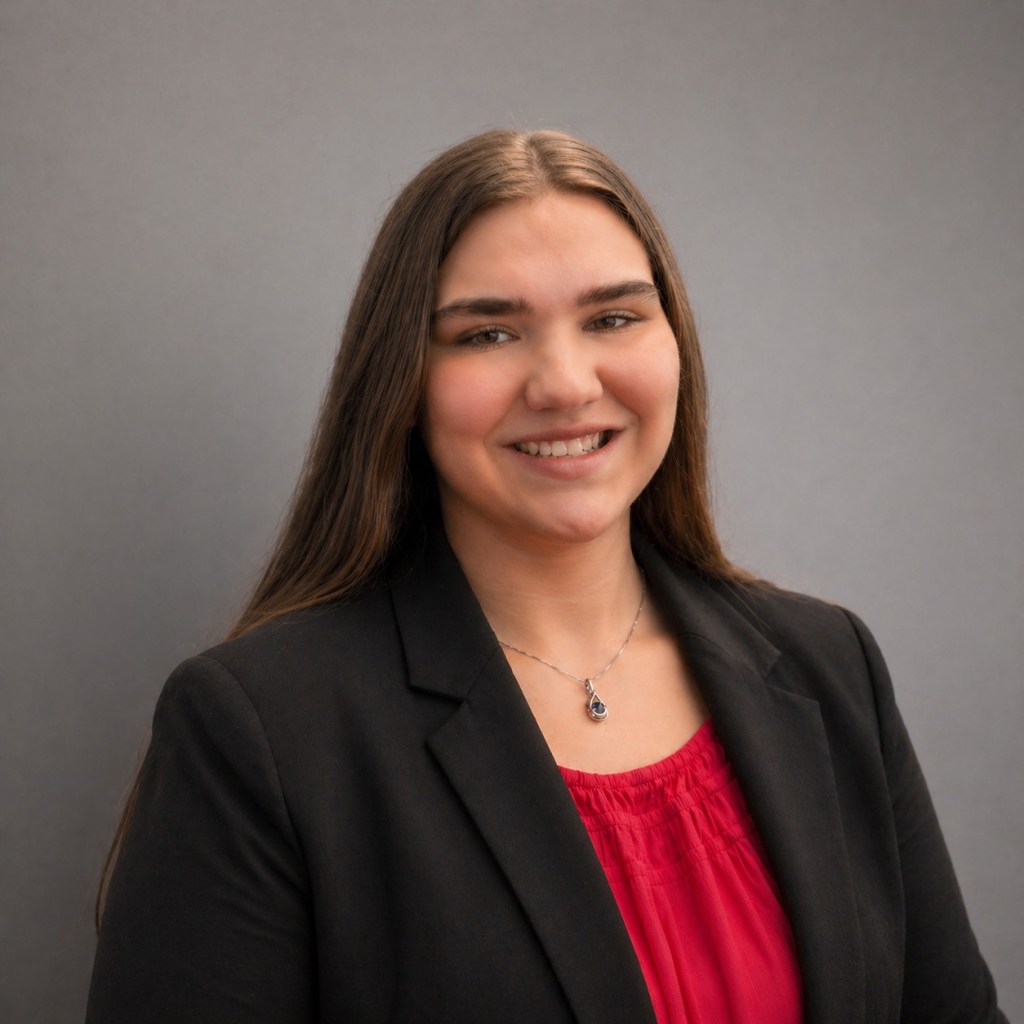
How do you spend time outside the office? Spending time on the lake, hunting and fishing.
What app could you not live without? My camera. I take way too many pictures of my dogs.
How did you get into the insurance industry?
In my junior year, I enrolled in the Invest insurance program at the Wilson Talent Center. I stuck with it and, over time, I really started to enjoy it. My teacher, Monique Calizzi, was incredibly passionate about insurance and gave us a lot of real-world examples. She exposed us to agencies and carriers and really helped bring the industry to life.
By the end of my senior year, I was trying to figure out both work and college. She helped connect me with Abbott Fillmore and I started there within a month of graduating high school. I have been there for about three years. The agency has supported me while I’ve been working and going to college, which I’m very grateful for.
What surprised you about the insurance industry?
I’m from a small town in Michigan, and suddenly I’m connected to people all over the state. You start to see familiar names, recognize people at events and realize how connected everyone is. The networking side has been one of my favorite parts. Events are a great way to learn, grow and build relationships across the industry.
Have you had mentors who influenced your career?
My high school teacher, Monique Colizzi, who introduced me to insurance; Joanna Dresden, who showed me what working at an agency is like; and my boss, Jon Fillmore, who has helped me connect classroom knowledge to real work and apply what I learned in textbooks to real-world situations.
Working in a multigenerational workplace?
It’s a positive. We have employees ranging from their 20s to around 60, and everyone brings different ideas to the table. We work well together and respect each other’s perspectives, which makes for a stronger team overall.
What challenges do young professionals face?
Building credibility. In a small-town agency like ours, many clients are older, and when they see someone young, there can be initial hesitation. Once you explain their coverage, show that you understand their policy and genuinely help them, trust builds quickly. Confidence comes with experience, and I’ve definitely grown in that area as I’ve learned more.
Utilizing technology?
Technology helps with efficiency, especially tools that summarize policies or help locate coverages more quickly. That said, I still double-check everything. If it’s a simple question, those tools can be helpful. For anything complex, I rely on underwriting and my own review. Technology is a great support, but human connection and judgment are still essential.
What habit has helped you most?
Consistency. Staying organized, following up with clients and keeping up with daily tasks makes a big difference over time. Following guidelines and staying consistent keeps everything running smoothly.
What advice would you give another young agent?
Be patient. At first, it can feel overwhelming because there’s so much to learn. Over time, everything starts to click. Also, focus on helping clients rather than just selling policies. At our agency, we talk about quality over quantity. Writing the right policy for someone is far more important than writing a lot of policies.
What are your goals for the next few years?
For now, my focus is on continuing to learn and finish my degree. Long term, I’d like to become a producer and build my own book of business. Most of my experience so far has been in personal lines and life and health, but I’m open to learning commercial lines as well.
Account Executive
Tapley Insurance Agency
York, Maine
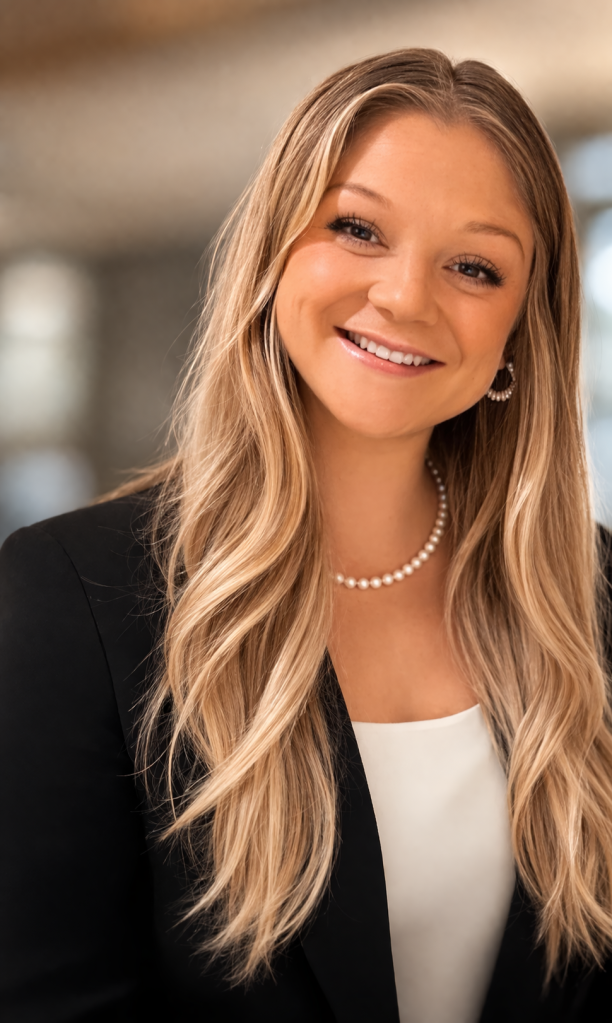
What podcast are you listening to? “The Millionaire Insurance Producer” podcast, hosted by Charles Specht.
Favorite place to work outside the office? Outside on my porch.
How did you get into the insurance industry?
Insurance has always been part of my life. My mom started the agency in 1993, so I grew up around it, but it wasn’t my original plan. I actually went to school to become a nurse. Over time, I realized insurance was better aligned with the lifestyle I wanted for myself and my family. The flexibility and stability appealed to me more as I thought about my future.
Has your mom been a mentor to you?
Absolutely. She taught me not to take things personally, especially early on when I was cold calling as a producer. She’s always emphasized resilience, learning from challenges and pushing forward, and that mindset has really shaped how I approach my work.
What surprised you about working in insurance?
I used to think insurance was very transactional, but I was surprised by how meaningful the work can be. When a client has a claim, whether it’s an accident, a loss or a major life change, they’re not just looking for policy language. They want reassurance and guidance. Those moments really show how much impact an insurance agent can have.
What challenges do young agents face?
People have so much access to information online, and sometimes that information isn’t accurate. We’ve had prospects tell us we were wrong because ChatGPT gave a different answer. That makes it even more important to show the value of working with an agent. People want speed, but they also want to know they have the right coverage and that someone is looking out for them.
How do you use technology in your work?
When used correctly, technology can enhance relationships rather than replace them. It helps streamline processes and improves efficiency, which means we can respond more quickly. Technology allows us to be more responsive and accurate, but the human element is still essential.
Our agency used to rely heavily on paper and only went fully paperless about five years ago. It’s hard to believe how recently that shift happened, but it’s made a huge difference.
Risks to relying too much on AI?
I second-guess AI outputs all the time. If it’s something simple, it can help, but for complex coverage questions, underwriting and professional judgment matter most. AI can support the process, but it can’t replace experience.
Working in a multigenerational, family-run agency?
In the beginning, I had to learn how to separate work and family. When it comes to change, I’ve found that explaining why something is beneficial and how we’ll implement it makes a big difference. Adding my brother to the agency three years ago has been a positive experience.
What habits have helped you most in your career?
Consistency. I’m competitive by nature, which helps motivate me, but consistency is what really builds success. Following a set schedule, staying organized and following up regularly are key to growing a book of business.
Big “I” involvement?
I’m the vice chair of the Young Agents Committee for the state of Maine, and it’s been an incredible experience. Even though we’re competitors, it’s helpful having a network of peers who understand the same challenges. We host events, support InsurPac and attend conferences, such as the Big “I” Legislative Conference in Washington, D.C.
Biggest opportunities for agencies in the future?
Agencies that focus on relationships while adopting technology to streamline daily tasks will be able to grow faster than ever. Automation can make prospecting and follow-up more efficient, but it has to feel personal, not robotic. The real opportunity is balancing efficiency with a high level of service.
What are your personal goals?
Continue growing as an agent by expanding my knowledge and building long-term client relationships. From an agency perspective, I want to help drive growth through smart use of technology while maintaining the trust and service standards that have always defined our business.
Insurance Agent
Bear Creek Insurance Agency
Brooklyn, Iowa
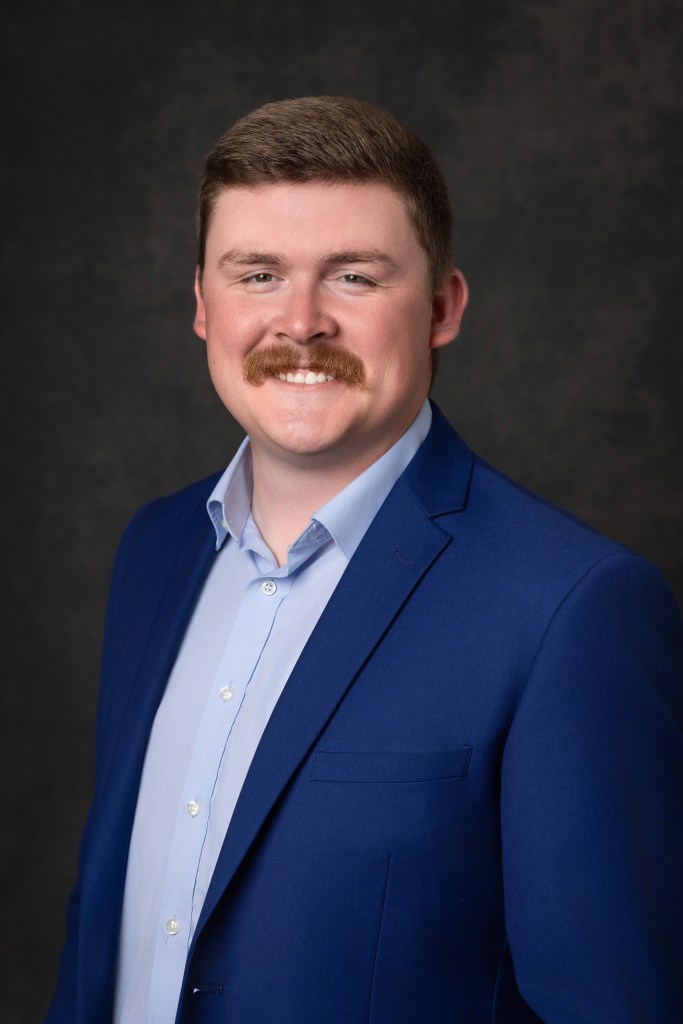
How do you spend your weekends? Playing a show with my country band, Tyler Richton and The High Bank Boys.
Your sports teams? I’m a big Kansas City Chiefs fan for football and an Iowa State Cyclones fan across the board.
What surprised you about working in insurance?
The gravity of the job. From the outside, insurance doesn’t always seem like a big deal. People just want to know how much it costs. When I started, there was a house fire claim, several auto claims and we were coming off the derecho in Iowa. You realize very quickly that you’re dealing with people’s livelihoods.
If you miss something or fail to explain coverage properly, that can have real consequences, especially in a small community. That was the biggest wake-up call. This work matters, and you have to take it seriously.
What challenges do young professionals face?
AI, no question. I get fact-checked constantly. I’ve had multiple clients tell me, “ChatGPT said this, but you said that.” My response is usually that ChatGPT doesn’t have an insurance license in Iowa. Insurance is extremely case-specific, and nuances matter.
Challenges of working in agriculture?
The derecho in 2020 changed everything. It was catastrophic and so widespread that it caught everyone off guard. Since then, values have increased, costs have risen and less severe storms are causing more damage than they used to.
There was a stretch where even traditionally strong risks struggled to find coverage. That hit farm accounts especially hard. The biggest ongoing challenge is keeping small losses off a farm’s history so they can remain insurable long term.
How did you get into the insurance industry?
Right out of college, I worked for a local agricultural cooperative as an ingredient buyer and merchandiser but it wasn’t what I wanted to do long term. My dad, who owns our agencies, had a top producer leave. He pulled me aside and asked if I’d be interested. I got licensed and dove in. Insurance runs deep in my family. I’m a fourth-generation agent.
Working in a multigenerational agency?
Our oldest employee is 78 and our youngest is 23, so we really span the spectrum. Technology is usually the biggest source of friction, but the experience older agents bring is invaluable. They have the perspective you only get after seeing multiple market cycles while younger agents bring energy and adaptability. When everyone focuses on the same positive outcome, the differences tend to work themselves out.
Have you had a mentor?
My dad, without a doubt. When he bought the agency, my grandpa retired fully, so my dad didn’t have someone older to lean on. That helped shape how he approaches mentoring me.
The best advice he’s given me is to always be gracious. Whether you win or lose a piece of business, never burn a bridge. If you’re kind and professional when someone leaves, there’s a good chance they’ll return someday.
Is there a habit that’s helped you succeed?
I started asking new prospects if anyone had ever actually explained their policy to them line by line. Most said “no.” I’d take an extra 10 to 20 minutes and walk through it, explain what things meant and use simple hypotheticals. That alone has generated referrals and built trust. It’s not complicated. It’s just taking the time to educate.
Personal goals moving forward?
We’ve grown quickly over the last five years, including acquiring two agencies. My goal now is alignment. Getting everyone rowing in the same direction, with the same vision and standards. Long term, I want us to become a Big “I” Best Practices agency. That’s a five- to 10-year goal, but it’s something I’m committed to.
Commercial Lines Account Manager
Huff Insurance
Pasadena, Maryland
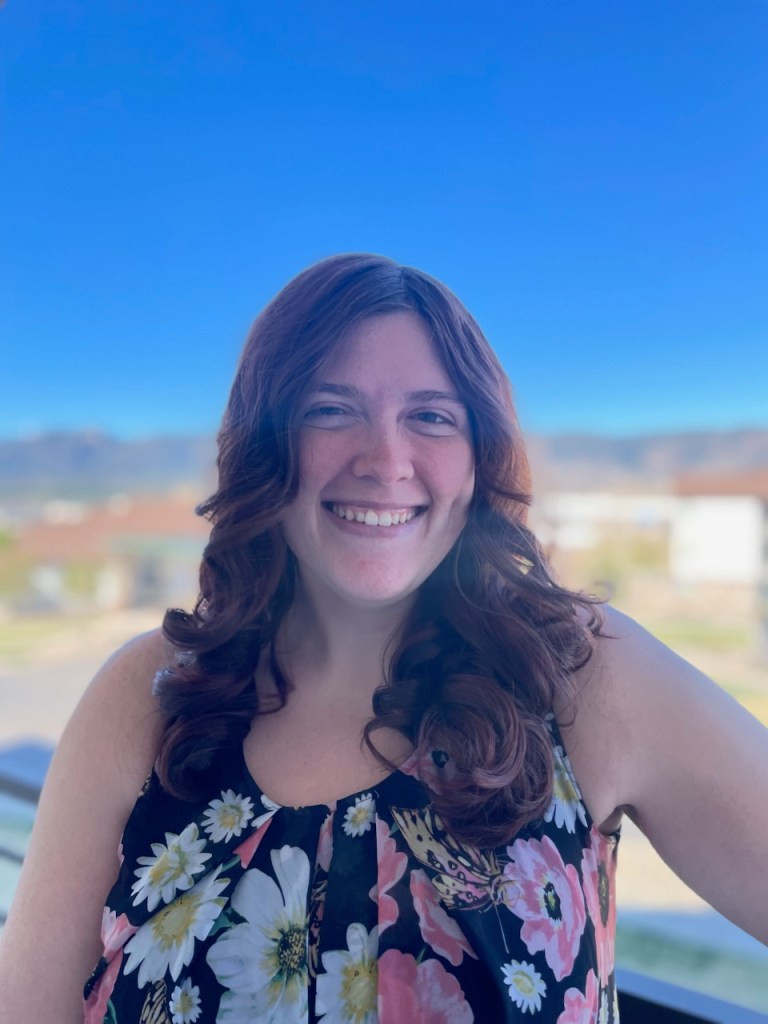
How do you spend time outside the office? I just got engaged, so I’m planning my wedding.
Dream vacation? Any kind of cruise.
How did you get into the insurance industry?
Insurance is pretty much in my blood. I’m a third-generation agent. My grandfather started our agency, and my mom took it over when he passed. Growing up, insurance was always around, whether it was dinner conversations or hanging out at the office when I was a kid. I started working part-time helping with customers when I was 14. When I graduated from college at 22, I stepped into a full-time role.
What surprised you about insurance?
The sheer amount of information you have to know as an independent agent. Every carrier has different underwriting guidelines, coverages and processes. I understood that going in but seeing it all laid out in practice was still surprising.
Professional goals?
We’re starting to think about a long-term plan for the agency as my parents look toward eventual retirement. My brother is training to become a producer, and I’m leaning toward a more managerial role where I can support the team and act as a resource internally. We’re still early in those conversations.
Biggest opportunities for independent agents?
Over the next 10 to 15 years, a lot of agency owners will be retiring, which opens the door for the next generation. Insurance also offers opportunities beyond just sales. Agencies need people in management, IT, marketing, operations and customer service. If you can look past the negative stereotypes about insurance and focus on protecting people and building relationships, there’s a lot of opportunity in this industry.
What challenges have you faced early in your career?
Confidence-building has been a big one. There’s so much information, and when you’re starting out, it can feel overwhelming. It’s easy to feel like you need to know everything right away.
One of the biggest lessons for me was learning to say, “I’ll look into that and get back to you.” Early on, I didn’t want clients to think I didn’t know something, but being honest and confident enough to follow up actually builds trust. Clients can hear uncertainty in your voice, especially when you’re young, so having good resources to lean on makes a huge difference.
Working in a multigenerational, family-run agency?
I work with both my parents, and my brother joined the agency full-time last year. From 9 to 5, my parents are Nancy and Jerry. Outside of work, they’re Mom and Dad. Keeping that boundary helps maintain both the professional and family relationships. Tough work conversations don’t carry over outside the office when you approach it that way.
How does technology factor into your daily work?
Technology plays a huge role. We use Applied Epic, which is constantly evolving, and we’re carefully incorporating AI where it makes sense. We use Microsoft Copilot for things like website content and blogs, and Epic’s AI tools help compare policies at renewal, which is great for personal lines account reviews.
For commercial lines, Indio has been a big improvement. It pre-fills a large portion of renewal information, which saves time and reduces errors. We also use video emails, especially around renewals. It helps us stand out and build stronger relationships with clients.
Working remotely?
I live in Colorado now, but our agency is in Maryland. I was already working remotely before moving, so the transition made sense. I still travel back to the office a couple of times a year and more often if there are new hires or important meetings. Face-to-face time still matters, but most of the work can be done remotely.
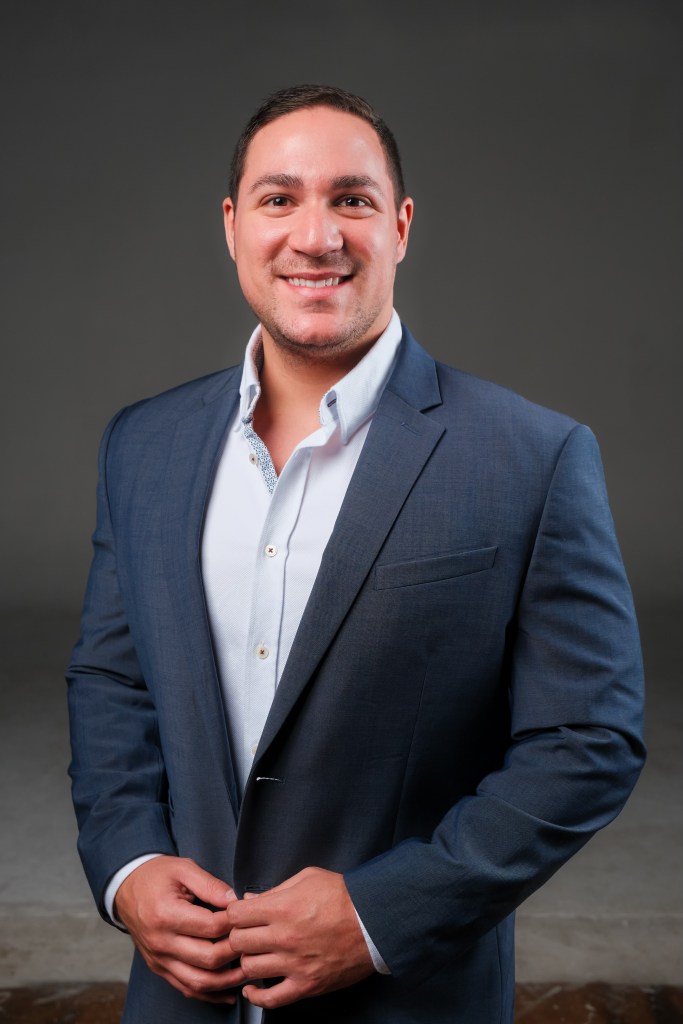
Favorite way to spend a weekend outside the office? Spending time with my kids. I have a three-year-old and a six-month-old, both girls.
Your dream vacation? I’m a big believer in working remotely from abroad whenever
possible. This year, we’re planning to spend time in Greece, Spain and Italy.
Biggest opportunities for independent agents?
Demographics are working in our favor. A large portion of the industry is approaching retirement, and younger professionals aren’t entering at the same pace. Technology also allows producers to scale their output dramatically. The professionals who know how to leverage the right tools will rise to the top.
What are your personal goals going forward?
I want to be best in class in the condo association space. The tools and resources I’m building for boards and association members don’t really exist elsewhere. My hope is that transparency becomes a competitive advantage and pushes the industry forward. If that means others follow suit, that’s a good thing.
Coming into insurance with a background in construction?
I was working on large developments and major projects, so I understood the risks firsthand. I write a lot of builders risk, workers compensation and general liability for developers and contractors, along with large tract home projects. I also developed a strong niche in condo associations across Florida.
Biggest challenges when you started your agency?
Carrier appointments, without question. I launched my agency in January 2020, which, in hindsight, was an interesting time to start a business. I could only write excess & surplus lines at first. That forced me to lean on my construction contacts and develop strong relationships with underwriters. Programs recommended through the Big “I” Young Agents Council and industry connections helped me build production and eventually graduate into full carrier appointments.
Approach to AI?
There’s a lot of noise around AI right now, especially agencies trying to sell solutions without really understanding how to use them effectively. In my experience, AI is far more powerful when it’s used to enhance understanding and service, not replace it.
I’ve built several client-facing tools on my website that are available to anyone. I don’t gatekeep information. My goal is transparency. AI has lowered the barrier to entry in a lot of ways. Small agencies can now create tools and resources that used to require massive budgets and teams.
A habit that’s helped you most in your career?
Picking up the phone. It sounds simple, but our industry sets a very low bar sometimes. Clients are shocked just to reach a real person who understands their situation. With all the automation in the world, answering the phone and returning calls still sets you apart.
How did you get into the insurance industry?
In college, a fraternity brother told me, “Take this property & casualty class. You’ll make a lot of money.” That was around 2014. I took the class, got licensed and quickly realized it wasn’t nearly that simple. I found a job working in construction as a project manager and superintendent in Miami. Eventually, I found an independent agency willing to show me the ropes—and that experience led me to start my own brokerage.

The October issue is out now!