Bipartisan Bill Targets Staged Auto Accident Fraud Nationwide
A bill introduced in the U.S. House of Representatives would make staging motor vehicle accidents for insurance payments a federal crime.
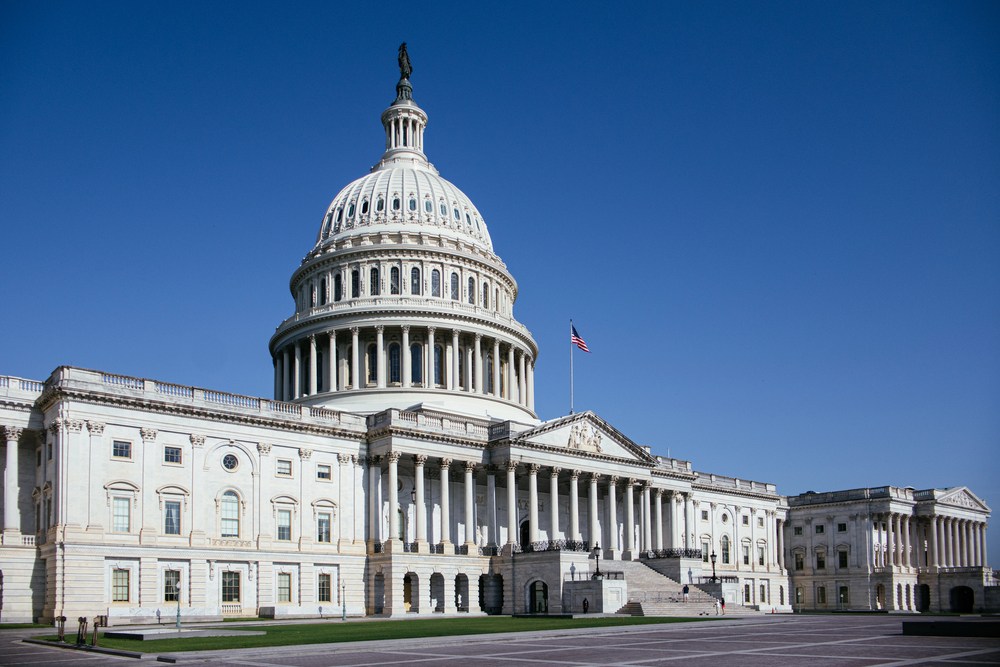

A bill introduced in the U.S. House of Representatives would make staging motor vehicle accidents for insurance payments a federal crime.
While the first half of 2026 saw strong underwriting results, certain lines of business remained challenged and regional catastrophe exposures still poses significant long-term risk.

Independent Agent magazine explored how tort reform is beginning to counteract the impacts of legal system abuse, litigation financing and nuclear verdicts.

To date, no major hurricanes have made landfall in the U.S. during the 2026 Atlantic hurricane season. Does a quiet year signal that hurricane risk is easing? The evidence suggests no.

Continued wage growth across major trades reflected ongoing skilled labor shortages, capacity limitations and a demand for specialized construction services.

After years of rising insurance costs driven in part by legal system abuse, litigation financing and nuclear verdicts, tort reform is beginning to translate into lower premiums, rate reductions and direct savings for consumers.

July brought the news that the property & casualty industry’s 2025 underwriting results were the strongest in a decade.

The bill would help deter insurance fraud, reduce unnecessary litigation costs and ease the pressure of rising insurance premiums.
Personal auto and homeowners helped propel the property & casualty market to a $61.2 billion underwriting profit and a combined ratio of 93. However, commercial auto and liability lines continue to face challenges.

John “Jack” C. Roche retires after a distinguished 40-year career in the insurance industry.