Cargo Theft and Cybercrime: How to Protect Commercial Auto Fleets
As the risks within the commercial auto industry grow, so do the opportunities for independent insurance agents to help clients navigate an increasingly complex threat landscape.


As the risks within the commercial auto industry grow, so do the opportunities for independent insurance agents to help clients navigate an increasingly complex threat landscape.
Electric vehicles (EVs) are one way commercial auto operators can reduce operational costs. But EV adoption also introduces new exposures, including cyber vulnerabilities, battery fire hazards and higher repair costs.
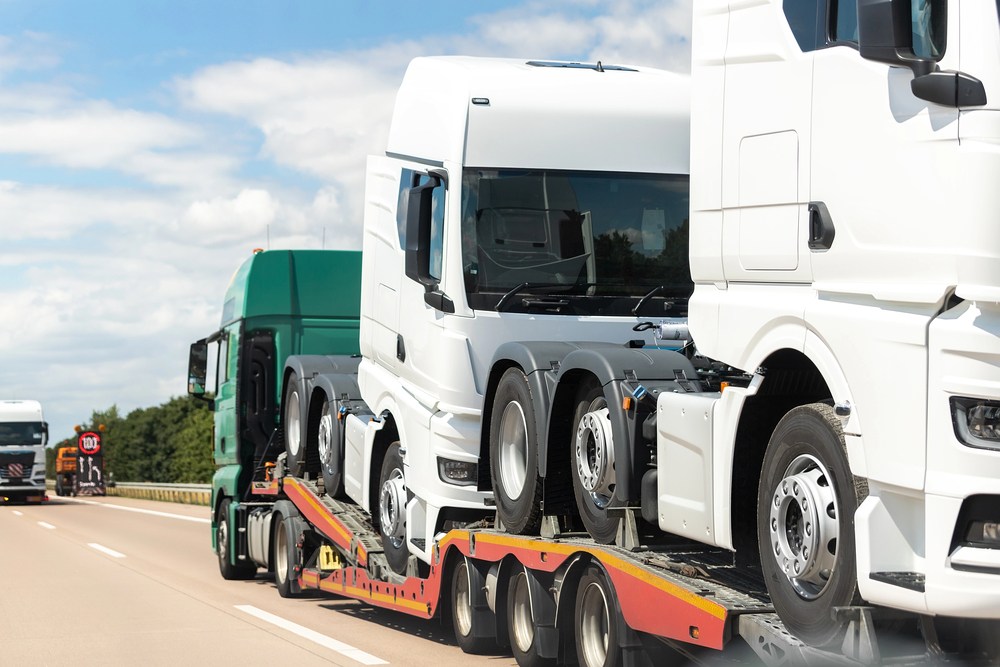
As commercial auto insurance challenges persist, the industry is increasingly leveraging telematics and supporting proposals to address third-party litigation funding.
By helping trucking clients understand the risks and insurance solutions available to protect their cargo, agents can provide valuable support across the supply chain.
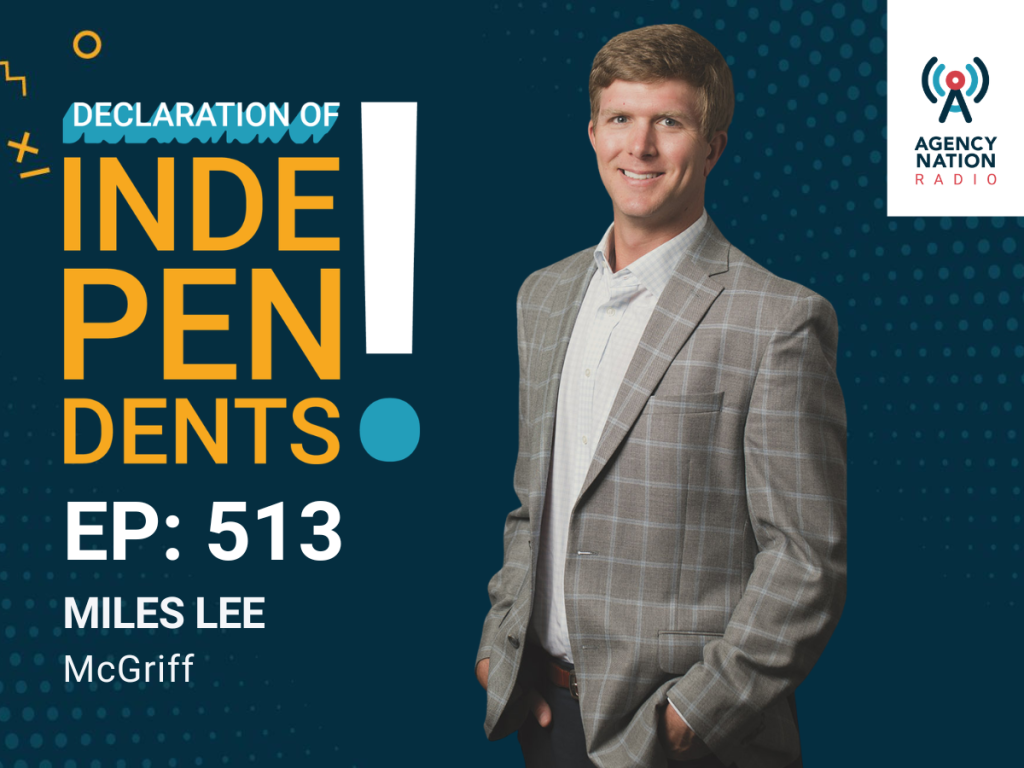
On this episode of Agency Nation Radio, we meet Miles Lee, transportation insurance broker at McGriff in Savannah, Georgia.
In a market with such high selectivity, it falls on the prospective insured to show why it would be a good risk. Independent insurance agencies can help insureds implement approaches that demonstrate insurability and manage costs.
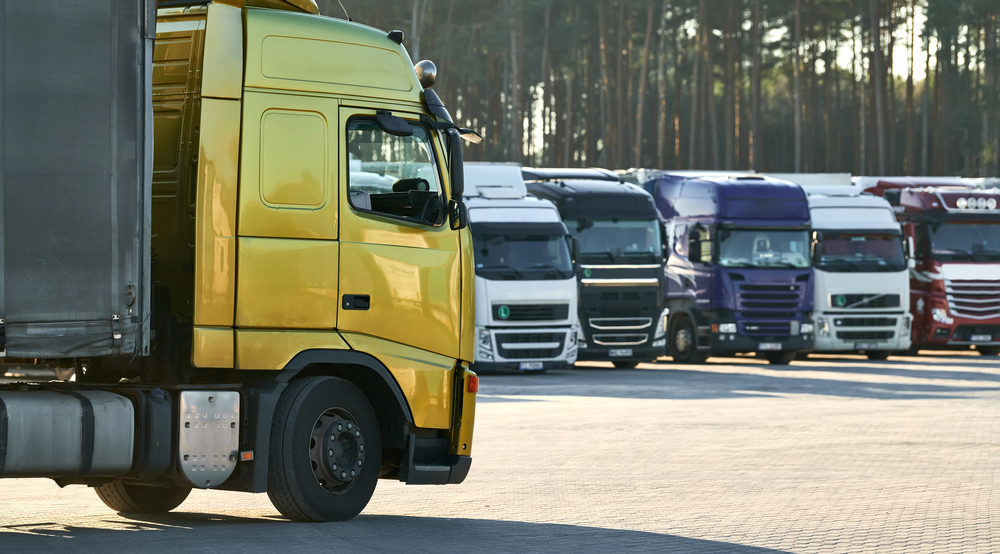
September highlighted the impact of nuclear and thermonuclear verdicts on the commercial auto market, signs of improvement in the property & casualty industry, and the Big “I” welcoming Angela Ripley as the new chair.

While factors like increased repair expenses, more frequent claims and stricter regulatory requirements are responsible for over a decade of premium increases, insurance remains a large cost of doing business.
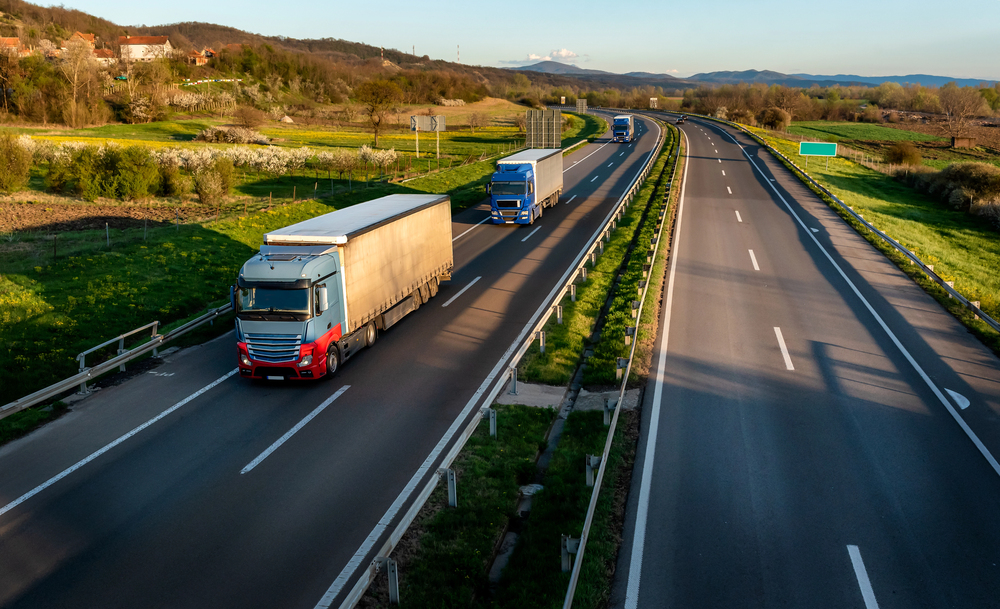
Trucking companies faced $165 million in nuclear verdicts in 2023, with an increasing trend of thermonuclear verdicts. Mounting costs from these large verdicts present significant challenges for the commercial auto insurance market.
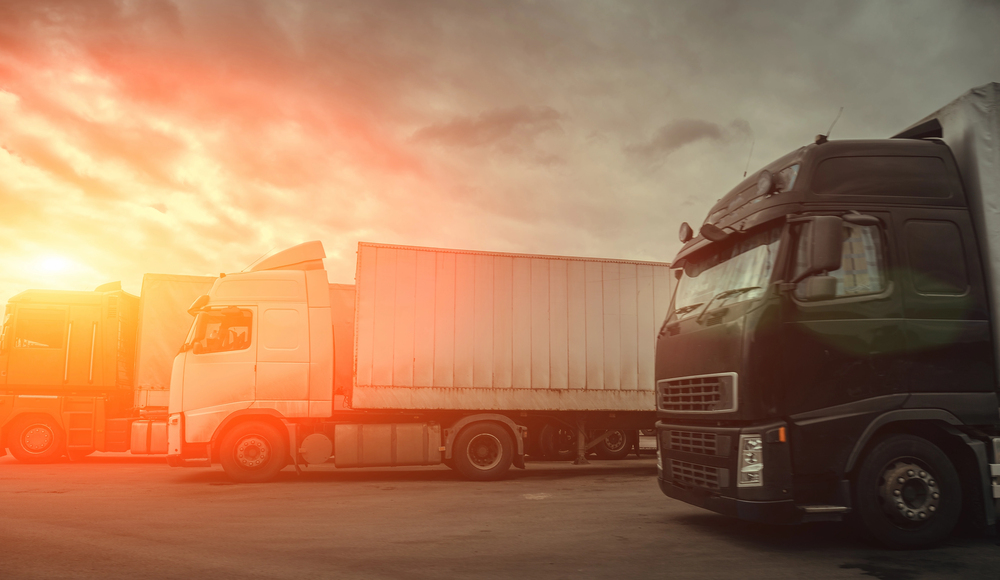
The new endorsement protects truckers by expanding coverage for perils attributed to wetness, rust and corrosion, as well as driver error and changes in temperature on refrigerated loads.