Trends to Watch in the EPLI Market
The employment practices liability insurance industry has never sailed on smooth seas, and the near future of the market is no different.


The employment practices liability insurance industry has never sailed on smooth seas, and the near future of the market is no different.
“Ghosting” is a term that originated in the online dating world. It’s when a person stops returning calls, emails or text messages to avoid the awkwardness of saying “no,” or “I’m not interested.” Unfortunately, it has moved into the business world.

Kansas City’s largest credit union sought to provide its 240,000 members with what it calls “financial peace of mind,” from birth to retirement and beyond, which meant an insurance agency was in order.
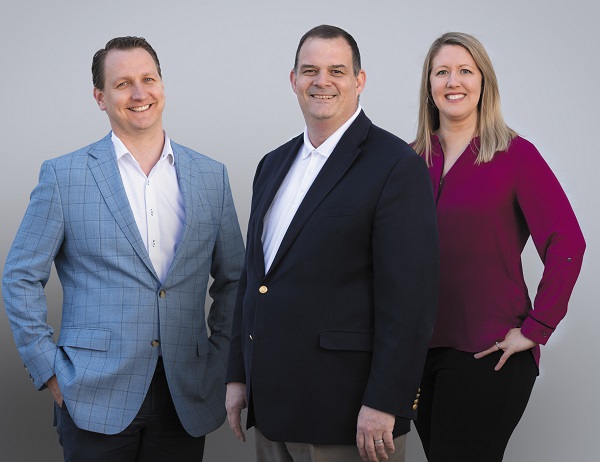
In 1996, Amber Bosma wanted a job and Prins needed a processor. Over the years, she worked as commercial account executive, office manager, and accountant.

Independent agents should be thinking about how to provide more value to win a dwindling number of business clients—many of whom will be paying more and more for coverage.

In a challenging builders risk marketplace, “water damage is becoming a silent killer for a lot of carriers,” says independent agent Bret Lawrence. “We’re seeing water damage minimum deductibles increasing and many carriers sub-limiting the coverage.”
The product covers financial losses from social engineering fraud, dishonest acts of an employee and unauthorized access by hackers.
A prospect bought a warehouse for $1 million. The replacement cost is $25 million but the owner only wants to protect their investment and has said they wouldn’t replace the building in the event of a total loss.

As investors flee the markets and businesses freeze operations during the coronavirus pandemic, the landscape for agents is shifting.

As an emerging business sector with its own unique set of risks and challenges, insuring a cannabis business may not be easy—but is far from impossible.