Risk Mitigation Technologies Are Becoming Essential in the Homeowners Market
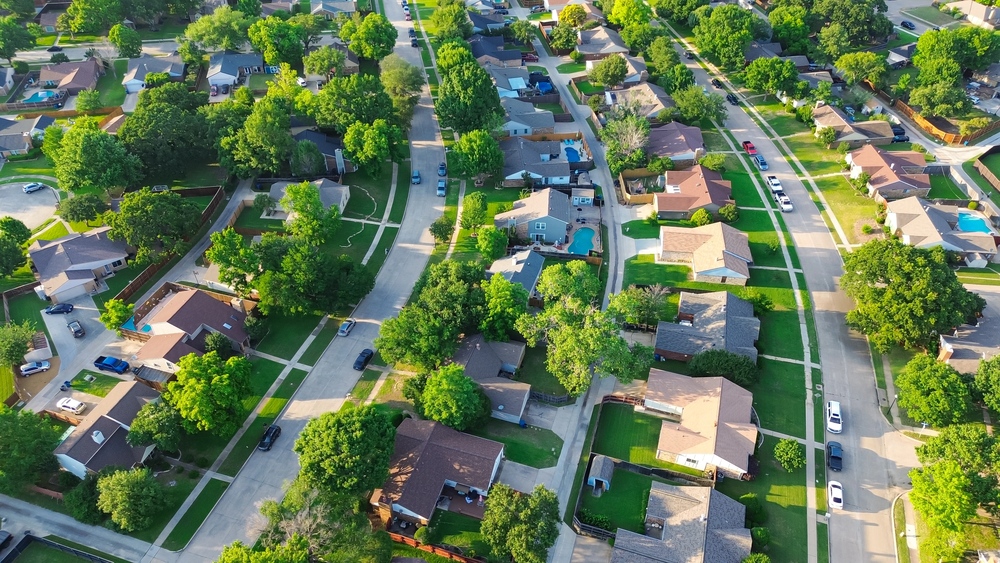
Insurance agents who embrace risk mitigation technologies can strengthen underwriting, deliver value to customers and differentiate their service.
From hurricanes in the Southeast, wildfires in the West and severe convective storms in between, catastrophes are a defining feature of the current insurance landscape and are changing property insurance.
The study tracks agent sentiment across multiple categories, including ease of doing business, communication practices and claims handling.
As social media continues to make car theft trendy, agents can help clients get up to speed on the latest anti-theft technology.
The financial strain of long-term care (LTC) can be significant, but the option of a hybrid LTC and life policy combination opens up another avenue for agents to present to their clients.
“For the family, it is the love letter that someone can leave to another member that protects and benefits them,” says independent agent David Wasson. “It can be useful for everything from final expenses and loan protection to creating an estate.”
Educating consumers about the benefits of an LTC plan—whether that plan is to rely on government-funded care, buy insurance or cover LTC expenses with personal assets—is key.
Nearly half of U.S. homeowners have seen their insurance premiums increase over the past year, signaling growing concerns over insurer loyalty and long-term profitability, according to J.D. Power.
The U.S. property & casualty insurance industry almost tripled underwriting profitability in the first half of 2025 compared to the same period in 2024, but catastrophes continue to drive up homeowners premiums.
A high-net worth customer in Pennsylvania would like to leave a car at his secondary home in Oregon. The car would be available to local family members to use throughout the year.