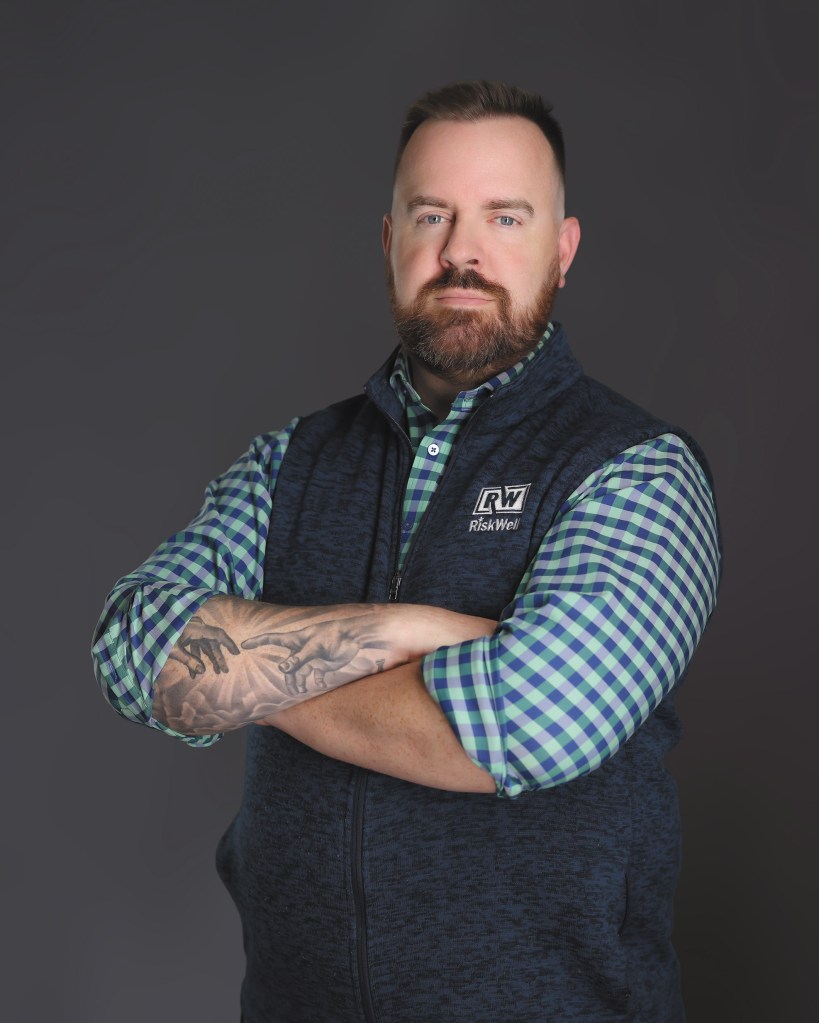
Declaration of Independents: James Jenkins
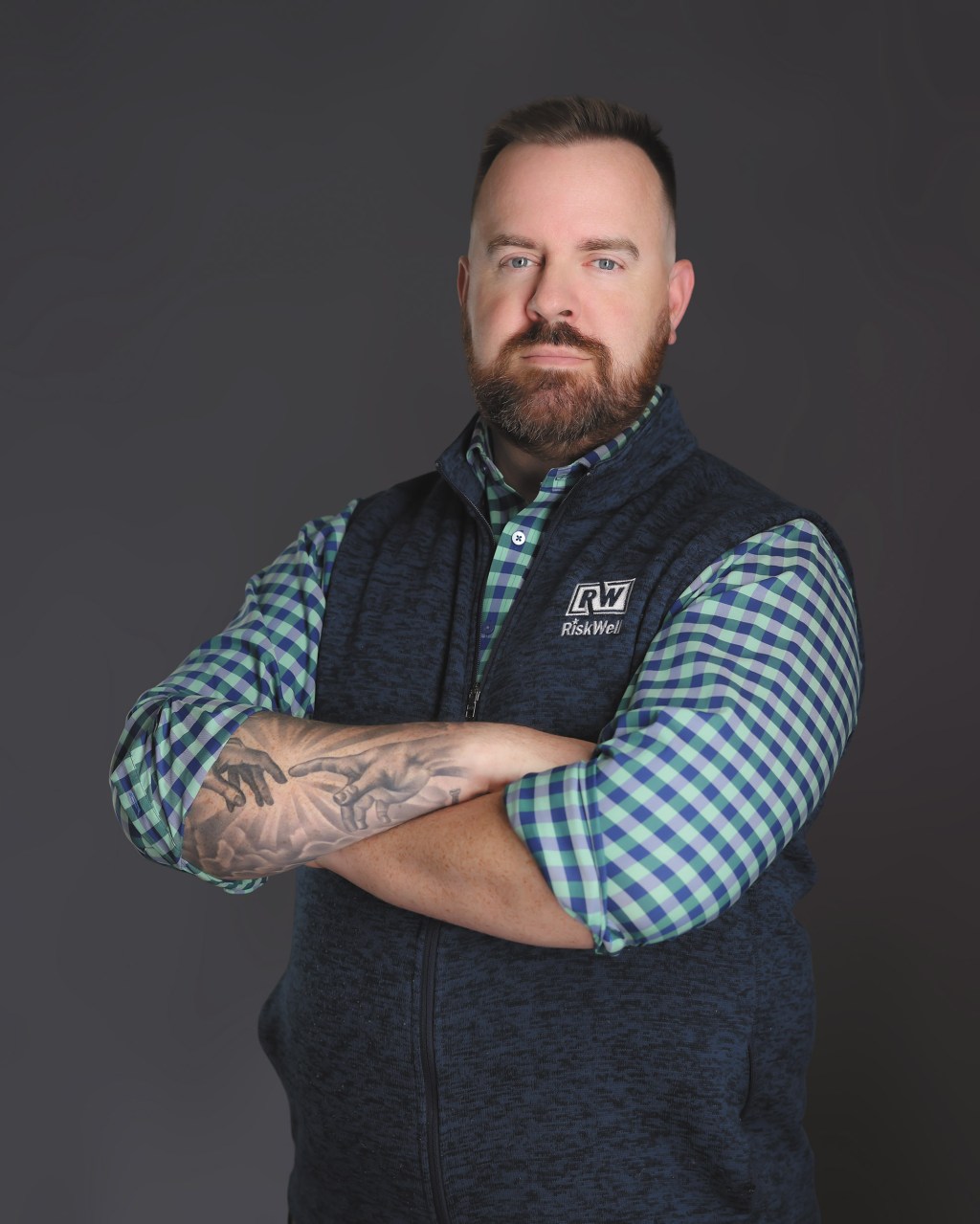
James Jenkins
CEO
RiskWell
McKinney, Texas
Three years into owning a captive insurance agency, Jenkins knew he wanted to go the independent agency route. In April 2019, he launched RiskWell, a technology-forward agency.
As RiskWell successfully navigated the COVID-19 pandemic, he recognized that specializing in targeted niche markets was the best path forward. Initially offering both personal and commercial lines, Jenkins decided to focus solely on commercial lines in 2023.
“We sold our personal lines book of business in February 2023 and became 100% commercial,” he says. “Almost 60% of our business is working with real estate investors, whether it’s one- to four-unit residential property, fix-and-flip renovation business or multifamily apartments.”
Commercial business in your agency?
For the types of client relationships we seek, we typically don’t discuss day-to-day details with the owner. We’ll talk to the owner at some point, but we’re typically talking with a director of operations or a chief financial officer. That kind of account works a lot better because we’re value-focused; we’re not really ever talking about price.
Winning new opportunites?
We go through the five steps of risk management: discover, analyze, control, transfer and manage. Most agencies prospect based on, “Let me save you money,” buying into the fallacy that small accounts care more about money than they care about value.
Growing in a niche market?
The cheat code is not going after the buyer of the insurance; it is going after the strategic partner. Find the networking partner who knows a lot of the people who are going to like the way that you do business.
More From the November Issue



Your decision to focus solely on commercial lines?
When we sold it [personal lines business], it was about $2 million in premium. The problem was that while our personal lines book of business made up about 17% of our revenue, it made up more than 60% of our service volume. That same year, our commercial department’s earnings before interest, taxes, depreciation, and amortization (EBITDA) margin was approximately 22%, our real estate department’s EBITDA was 35%, but our personal lines EBITDA margin was 8%.
How did you grow your client base?
Real estate investors make up about 60% of our total book of business. It’s a good mix of one- to four-unit residential, and then apartments are our second-largest real estate category. We think of small apartments as being from five to 30 units, medium apartments as being 30 to 100 units, and large apartments are anything more than 100 units.
We are currently licensed in 48 states. A few years ago, our strategy was to go where the business needed us to go. Our rule was once we figure out that someone wants to do business with us, we’ll let them know, “Hey, we need to see at least $50,000 in premium or ideally $7,500 in revenue.” We did some basic math and realized that, carrying costs and fixed operating costs for a new state, we needed to see at least $7,000 or $8,000 in revenue to make it worth the effort.
Rather than entering a state for a single opportunity, we would keep track of who wanted to work with us, and when we got to that number, we’d contact everybody saying, “Hey, we’re in your state now, let’s get rolling.” And probably 80% or 90% of those people that said they wanted to work with us ended up working with us.
Hard market versus soft market?
In the small commercial space, a hard market versus a soft market is completely different. In a hard market, you’re going to see a lot of placements in the excess & surplus market. You’re going to see a lot of program business, reduced underwriting capacity and prices are up across the board. It’s very difficult for folks who are mostly personal lines agents trying to diversify and write small commercial here and there.
But in a soft market, the swing toward admitted standard markets is aggressive. Typically, capacity increases across the board, prices are softer, credits are more available and additional coverages are easier to get or included at no cost.
You have to be tactically very different in small commercial, because every single account is up for grabs. There is no loyalty in a soft market because for every single account that you have, their friends are shopping and getting quotes that are better than yours. If a business owner has two or three peers that get a dramatically improved insurance experience but they haven’t heard from you, you can be almost guaranteed to lose that account because they will shop you midterm and will leave you midterm.

The Evolving Market Toolkit
Future challenges for agencies?
When it comes to artificial intelligence (AI),shiny object syndrome is the worst because so many agencies don’t even know what they need. They haven’t thought through where the gaps are in their process. They haven’t identified where AI might fit in and can help generate profit.
You have to pick a lane. You either go all in on tech or you go all in on specialization and niching. If you try to be everything to everybody, you’re going to get squashed.
Winning new business?
Small commercial requires a lot of resilience—you need really strong operational standards in place. If you don’t, everybody on your team does things slightly differently, and it creates chaos, because the only way to win at small commercial is by winning at volume.
The way that we approach prospecting is one simple question: “What do you want your insurance to do for you?” And it gets them thinking in terms of action and deliverables and functional outcomes instead of front-end pricing. Because at the end of the day, what are they buying? They’re buying a promise.
We will never be the lowest price. We’re competitive on cost, but we’re way more focused on value. Telling them that takes price out of the equation. Also, it’s going to attract a certain kind of buyer and it’s going to repel a certain kind of buyer. All of our marketing, all of our advertising, and everything we do on social media is 100% geared toward value and positive outcomes.
Olivia Overman is IA content editor.
Agency Management Solutions
Insurance Markets
This month’s issue

The November issue is out now!