How Agents Can Start a Flood Protection Conversation with Clients

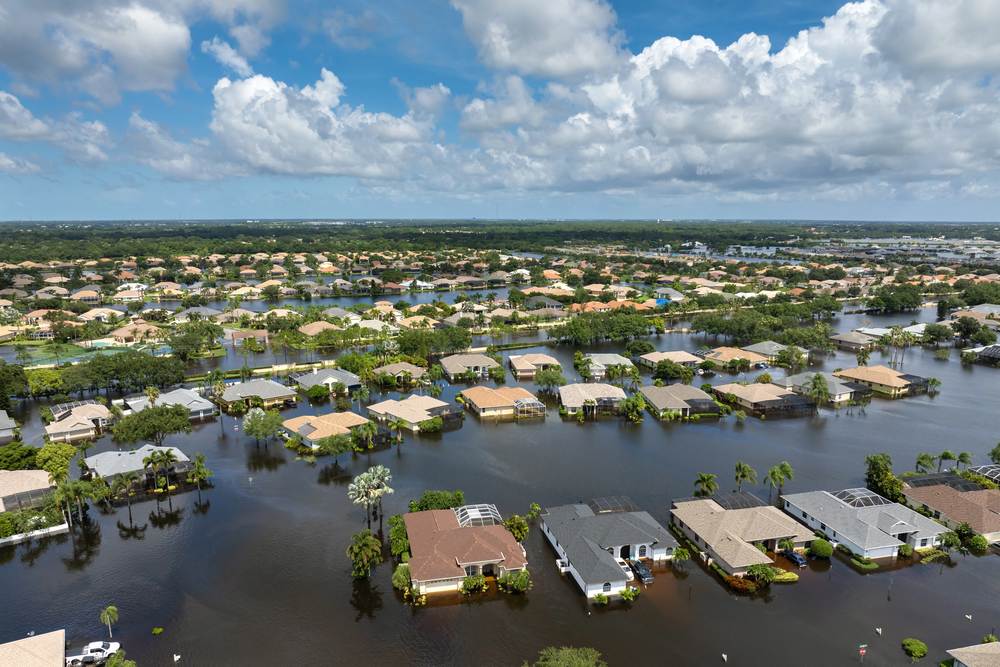
Nearly 85% of single-family homes at risk of flooding in the U.S. carry insufficient insurance coverage, leaving households vulnerable to thousands of dollars in out-of-pocket costs, according to a report by Neptune Flood.
As the number of flood events increases, independent agents play a critical role in initiating conversations with clients about their flood risk and explaining the coverage options—including NFIP and private flood insurance—available to them.

2026 Big “I” Legislative Conference
April 22-24 Washington D.c.
Furthermore, if a client decides to purchase flood insurance, the conversation doesn’t stop there. An agent plays an important role in identifying how much and what type of coverage is needed. By tailoring the coverage to a client’s actual risk and financial exposure, agents help ensure they have the protection they need without the unnecessary costs.
“Start the flood conversation early and make it routine, not reactive,” says Trevor Burgess, CEO of Neptune Flood. “Every home quote should include a flood insurance quote.”
Once a client identifies the need for flood coverage, “the first step is determining whether flood insurance is required under the Mandatory Purchase Requirement, which applies when a building is located in a Special Flood Hazard Area (SFHA), and has a federally backed mortgage,” says Cassie Masone, vice president, flood operations, Selective. “If it is, the lender will dictate the level of coverage needed.”
In these instances, “it is important that agents offer contents coverage, as consumers often mistakenly assume their personal belongings and contents within the property are automatically covered with NFIP building coverage, which is not the case,” Masone says.
If there is no mandatory requirement, agents have greater flexibility to explore options with their clients and tailor coverage.
Once the risk is assessed, “agents add the most value by educating customers, offering choice and ensuring coverage keeps pace with real-world risk,” Burgess says. “The customer is looking to the agent for guidance as the product expert.”
“From a coverage standpoint, agents should help clients understand limits, deductibles, waiting periods, and exclusions—especially the difference between building and contents coverage, and how actual cash value versus replacement cost can affect recovery,” says Richard Folkman, vice president, CAT operations – flood & carrier practice leader, Crawford and Company. “The conversation needs to go beyond ‘how much does it cost’ and focus on what would realistically be damaged and what the client can afford to absorb out of pocket after a loss.”
More on Flood

Tailoring coverage allows an agent to look at optional coverages. “For example, adding temporary living expenses coverage will help reimburse housing if your flooded property is uninhabitable, or replacement cost on contents to get the full value of affected contents,” Burgess says. “With guidance from the agent, a customer can tailor coverage limits, deductibles, and optional coverages to fit the customer’s risk.”
One particular area of concern for agents when it comes to tailoring coverage is the fact that “many property owners underestimate the risk, forget the value of flood insurance, and allow their policies to lapse,” Masone says. “A common mindset is, ‘If I haven’t flooded by now, I never will.’”
“We have seen customers drop coverage, then experience a flood—when that happens, property owners are typically left to cover the cost of repairs entirely out of pocket,” Masone says.
And if a flooding event does occur, “a common misconception is that government assistance will cover the cost of rebuilding after a flood, but this is not true,” Masone says. “While grants may be available at times, they are typically under $10,000 and may require repayment,” she says. “The most effective way to protect against flood losses is to keep flood policies in force or purchase a new policy to ensure coverage is in place,” Masone says.
With public and private options backed by improving technology, agents are in a position to assess their clients’ risks through “forward-looking data, granular property-level analysis, and continuous model updates rather than static assumptions,” Burgess says.
By offering both NFIP and private-flood coverage, agents can provide important coverage for their clients while also “turning flood into a real growth and retention line with a few simple habits,” says Nakita Persaud, CEO and co-founder of Ric, an extreme weather MGA.
Olivia Overman is IA content editor.
Agency Management Solutions
Insurance Markets
Big I Programs
This month’s issue
The April issue is out now!