Severe Convective Storms Lead Concerns for Insurers
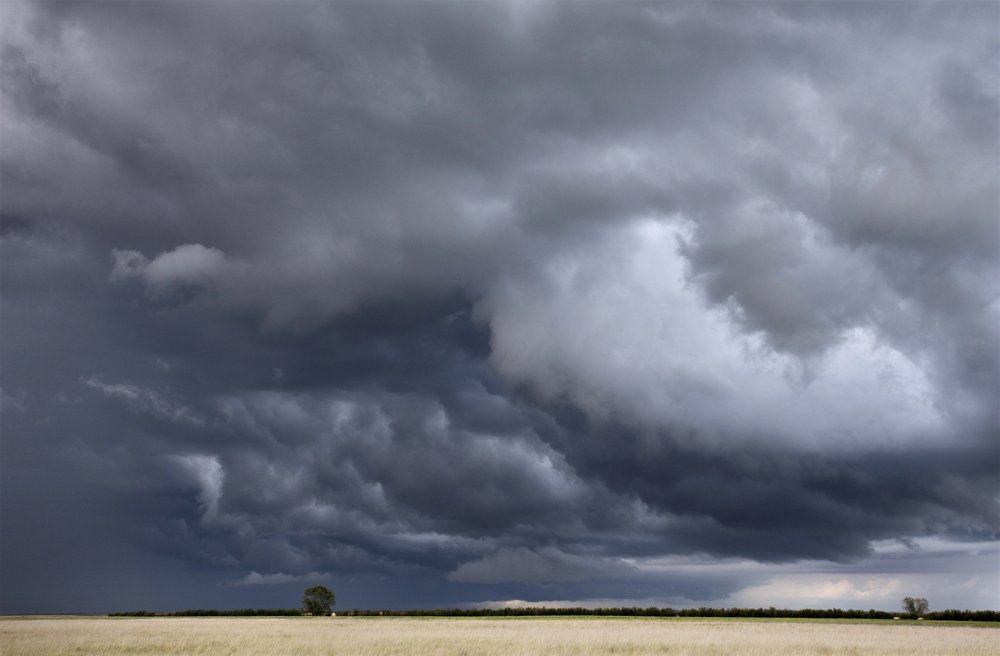
Insurance company executives view severe convective storms (SCS) as the leading threat to their balance sheets, according to a survey conducted by Demex of American Property Casualty Insurance Association (APCIA) and National Association of Mutual Insurance Companies (NAMIC) members.
Ranking perils that most impact their company’s annual earnings after reinsurance recoveries, 87% of respondents listed SCS at the top of their concerns. Only 13% expressed little to no concern about retaining future SCS losses.
Severe convective storms are among the most common, most damaging natural catastrophes in the United States, according to the Insurance Information Institute. They are the result of warm, moist air rising from the earth and manifest in various ways—from drenching thunderstorms with lightning, to tornadoes, hail or destructive straight-line winds.

2026 Big “I” Legislative Conference
April 22-24 Washington D.c.
Fire, excluding wildfire; natural catastrophes, such as hurricanes and tropical storms; wildfire; and flood were also cited as key concerns, the report said.
Traditional reinsurance dominated the list of risk transfer options for SCS exposures, with 70% of respondents reporting that they have implemented it for SCS exposures. However, 63% of APCIA respondents said they would or might purchase aggregate working-layer coverage if available, while 49% of NAMIC respondents were investigating or may investigate similar options.
Notably, 10% of respondents did not implement any risk transfer for SCS, and 17% were unsure of which method their companies used, the report said.
The findings indicate a disconnect between what insurers see as their biggest peril and their implementation of effective risk transfer options. While reinsurers maintain high attachment points, primary insurers will continue to retain significant losses from frequent SCS events if they rely solely on traditional reinsurance solutions.
“Severe convective storms continue to hit the revenue and balance sheets of primary carriers hard,” said Matt Coleman, chief risk officer at Demex. “However, it does appear there is either a reluctance to utilize, or lack of awareness of, the risk transfer options that sit below carriers’ CAT treaties to protect them from accumulated convective storm losses.”
Olivia Overman is IA content editor.
News Types
Agency Management Solutions
Insurance Markets
This month’s issue
The April issue is out now!