How Agents Can Help Small Businesses in a CAT-Exposed Hard Market
Proactive conversations with clients about catastrophe risks can surface potential coverage gaps and open the door to more forward-looking planning.
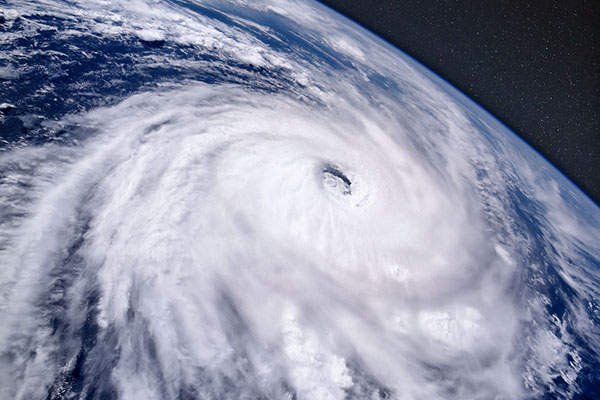
This year’s hurricane season, which started on June 1, has a 60% chance of above-normal activity, with 13 to 19 named storms expected.
Coral reefs, mangroves, salt marshes and seagrass meadows can significantly reduce flood losses in coastal areas, according to a Swiss Re Institute analysis of data.
As insurers increase their underwriting restrictions to limit storm exposures, risk mitigation is becoming more important than ever for commercial insureds.
The coverage features a data-driven trigger, which removes the need to prove a covered loss or damage.
As severe weather becomes more frequent, it’s critical for agents to help clients understand what flood insurance does and doesn’t cover.
Colorado State University (CSU) hurricane researchers are predicting 17 named storms during the Atlantic hurricane season.
The impacts from extreme weather events—made even clearer by Hurricanes Helene and Milton—have led to consumers reevaluating their flood risk.
U.S. House Majority Leader Steve Scalise (R-Louisiana) will be the keynote speaker at the Legislative Conference, which will take place April 30-May 2 in Washington, D.C.
Last week, the U.S. Senate passed a continuing resolution to fund the federal government through Sept. 30 and included a short-term reauthorization of the National Flood Insurance Program (NFIP).