Does a Tenant Have Insurable Interest in a Leased Building?
A restaurant owner rents a building and has a tenant’s policy for contents and liability. A furnace caught fire and the owner says the tenant is responsible for the damage.
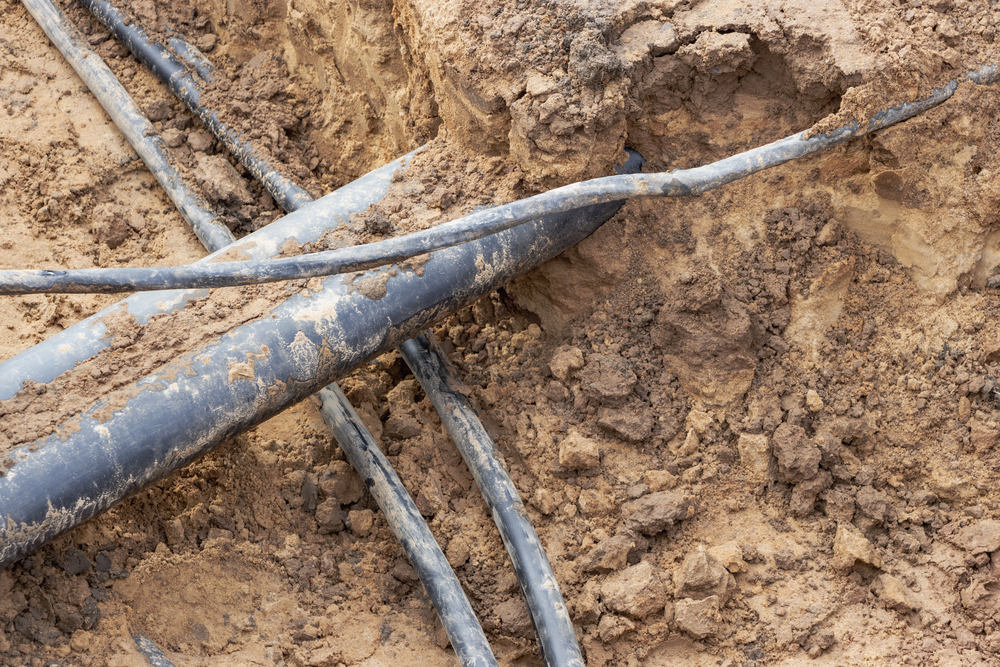
Is the accidental damaging of the electrical line faulty workmanship or ordinary negligence? Who is liable?
A homeowner had a loss where the HVAC system’s condensate pump failed due to a mechanical breakdown. The HO3 policy with an equipment breakdown endorsement—form 16016—with a separate $500 deductible appears to indicate the condensate pump and the resulting water damage should be covered under the equipment breakdown endorsement. The insurance carrier says otherwise.
If insurers have better visibility into whether home devices are active and functioning, they could intervene early, resolve installation or connectivity issues and ensure credits reflect genuine mitigation.
What are the reporting requirements of a liability claim to the carrier that doesn’t write the underlying coverage?
A general contractor filed a claim after tools were stolen from an employee at an active construction project location. The carrier denied coverage, saying that the tools were not located at the insured’s premises.
A commercial lines prospect has a limit on business income and business personal property (BPP), but not on the building.
People expect fast, seamless experiences when it comes to everything, including insurance. Are your carrier partners evolving to meet your customers’ expectations?
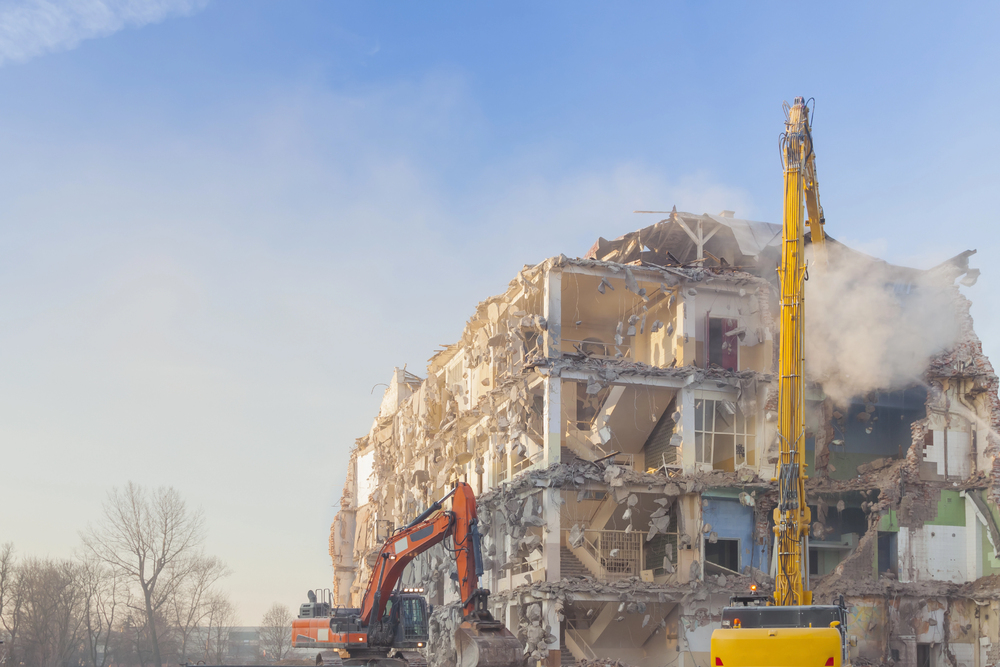
A commercial insured’s showroom was flooded after a demolition contractor broke a water line while demolishing an adjacent building.
A homeowners client is building an addition on their secondary home, which is still occupied and furnished. The carrier says there is no coverage for theft of personal property.